Sustaining a Professional Nail Career and Avoiding Burnout
A professional nail career requires a strategic approach to physical ergonomics and mental health to ensure long-term sustainability. By implementing proper posture and setting professional boundaries, nail technicians can avoid burnout and successfully transition into advanced industry roles such as salon management or specialized independent practice.
Prioritizing Physical Longevity in Nail Work
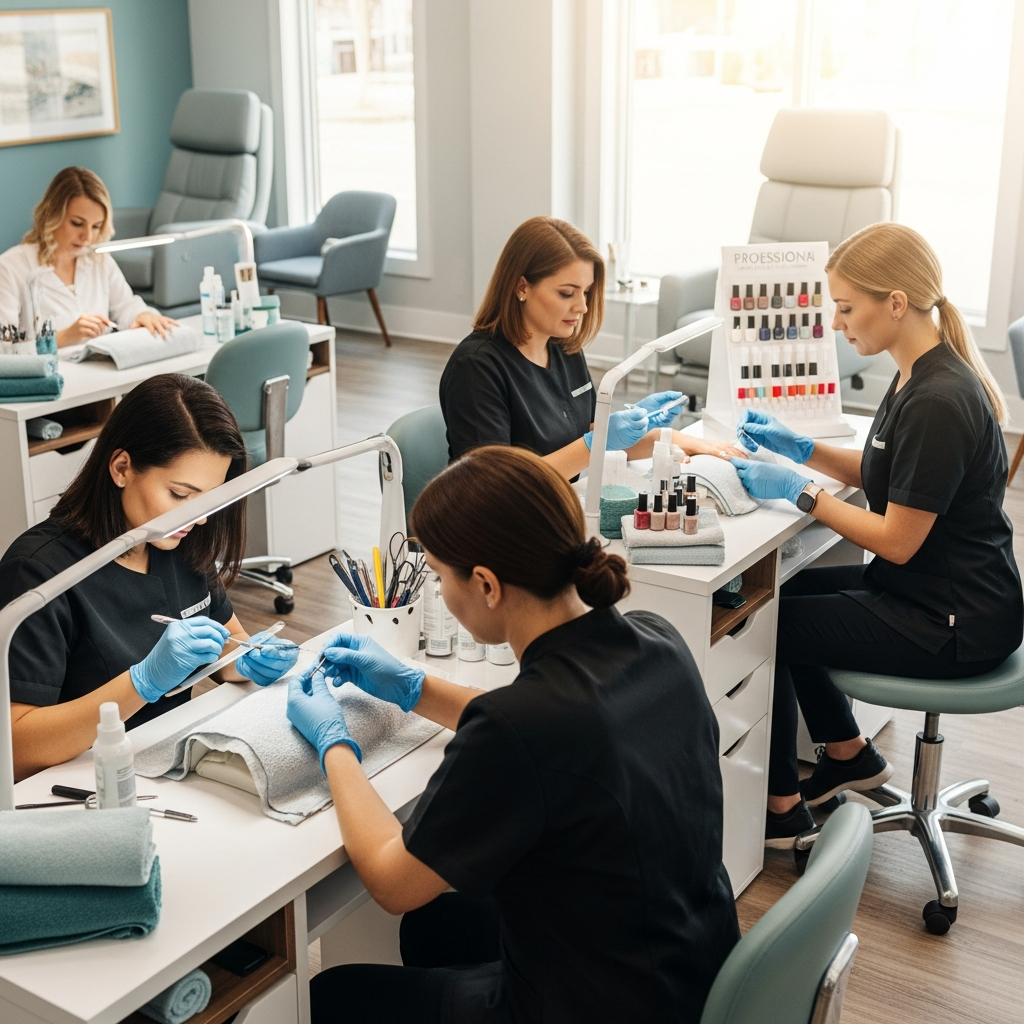
The physical demands of daily nail services can lead to repetitive strain injuries if not managed correctly. Maintaining a professional career requires strict adherence to ergonomic standards and self-care routines.
Ergonomic Workspace Setup
- Adjustable Seating: Use a chair that supports the lumbar spine and allows feet to rest flat on the floor.
- Table Height: Ensure the nail table height prevents excessive hunching or neck strain during intricate work.
- Lighting: Utilize high-quality LED lamps to reduce eye strain and improve precision during technical applications.
Managing Repetitive Motion
Nail technicians perform thousands of repetitive movements daily, which can impact wrist and hand health. Regular stretching and using lightweight professional tools can mitigate the risk of carpal tunnel syndrome.
Mental Resilience and Burnout Prevention
The nail industry is high-pressure and socially demanding, often leading to emotional exhaustion. Protecting your mental state is vital for maintaining a high standard of service and career satisfaction.
Setting Professional Boundaries
Establishing clear working hours and communication policies prevents client demands from encroaching on personal time. Professionals who set boundaries are less likely to experience the resentment that leads to burnout.
The Importance of Scheduled Downtime
Consistent breaks between nail appointments allow for mental resetting and physical recovery. Proper scheduling ensures that the quality of work remains high from the first client to the last.
Strategic Career Growth and Transitions
Growth in the nail industry often involves moving beyond the service table. Identifying a clear career path helps maintain motivation and increases long-term earning potential.
Transitioning from Technician to Owner
Moving into salon ownership requires a shift in mindset from technical execution to business management. This transition involves mastering inventory control, staff training, and operational workflows specific to nail salons.
Becoming a Specialized Industry Leader
- Education: Transitioning into a professional educator role allows technicians to share technical mastery.
- Consulting: Experienced professionals can offer guidance on nail salon efficiency and growth strategies.
- Advanced Certification: Specialized skills can justify higher service rates and attract a premium clientele.
Cultivating a Professional Growth Mindset
A successful nail professional views their work as a long-term craft rather than a temporary job. This perspective encourages continuous learning and adaptation to new industry standards.
Staying informed about industry trends and business practices ensures that your nail career remains relevant. Investing in your own development is the most effective way to ensure financial and professional security.
