Career Longevity for Professional Nail Techs
Professional nail career longevity requires balancing physical ergonomics, mental resilience, and strategic professional development within the salon environment. Sustaining a successful career in the nail industry involves transitioning from high-volume service execution to specialized expertise or leadership roles to ensure long-term financial stability and physical health.
Navigating the Phases of a Nail Career
Every nail professional moves through distinct career stages, from initial skill acquisition to senior-level mastery. Early years focus on technical speed and building a stable client base within the local market.
Mid-career professionals must shift focus toward efficiency and higher-margin services to maintain income without increasing physical labor. This transition is vital for avoiding the common plateau many technicians face.
Long-term sustainability is achieved when a technician evolves into an educator, salon owner, or specialized consultant. This evolution allows for continued growth while reducing the physical demands of daily service work.
Protecting Physical Health for Long-Term Work
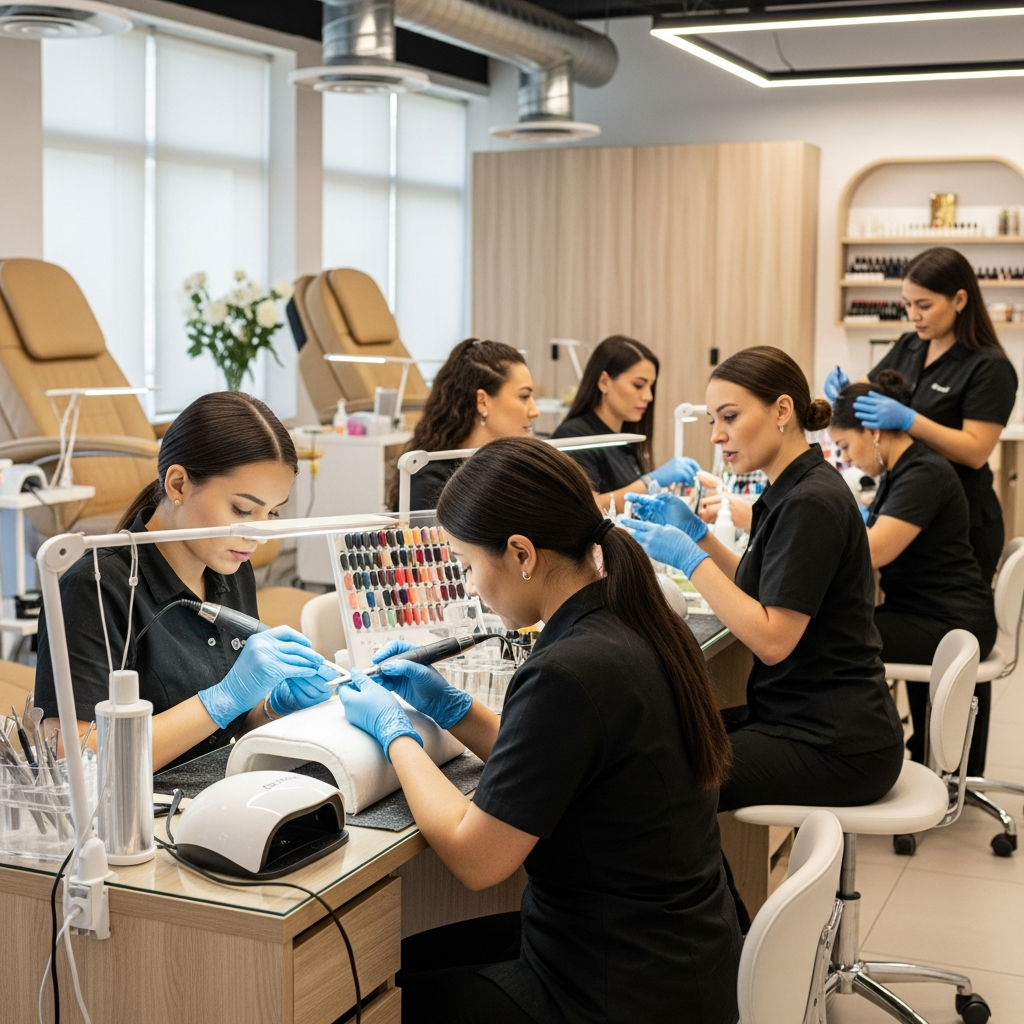
Physical burnout is a significant risk in the nail industry due to repetitive motions and prolonged sitting. Investing in ergonomic furniture and high-quality tools is a non-negotiable requirement for career survival.
Proper posture and regular stretches between appointments prevent chronic injuries common to the hands, wrists, and back. Maintaining physical health directly impacts the number of years a technician can remain active.
Ventilation and respiratory safety are also critical components of a long-term nail career. Using professional-grade dust collection systems ensures a safe working environment for both the technician and the client.
Shifting from Technician to Industry Leader
Growth in the nail industry requires a mindset shift from being an hourly service provider to a business-minded professional. Strategic career planning involves setting specific financial and professional milestones.
Many successful professionals transition into salon management or ownership to leverage their industry experience. This move requires learning operational workflows, staff management, and advanced revenue systems.
Developing a unique niche, such as advanced nail enhancement structures or complex artistry, allows for higher pricing. Specialization reduces the need for high-volume schedules while increasing overall career satisfaction.
Establishing Clear Professional Boundaries
Mental burnout often stems from a lack of boundaries with clients regarding scheduling and communication. Professionalism in the nail industry includes enforcing strict cancellation policies and set working hours.
Technicians who manage client expectations effectively experience higher job satisfaction and lower stress levels. Protecting personal time is essential for maintaining the creative energy required for high-level nail work.
Investing in Advanced Education and Specialization
Continuous education keeps a nail professional relevant as industry trends and chemical technologies evolve. Attending professional workshops and industry trade shows fosters a growth mindset and prevents stagnation.
Advanced certifications provide the credibility needed to command higher rates in competitive U.S. markets. Staying informed about the latest safety standards and product chemistry ensures long-term professional authority.
