Sustaining Longevity in Your Professional Nail Career
A long-term nail career requires a strategic focus on physical ergonomics, mental wellness, and continuous professional development. Success in the professional nail industry involves balancing client volume with restorative breaks to prevent physical burnout and maintaining a growth mindset to adapt to changing market demands and specialized service paths.
Establishing a Professional Growth Mindset
The transition from a novice technician to a seasoned professional requires more than technical speed.
It demands a mental shift toward viewing your work as a long-term specialized career rather than a job.
Successful professionals focus on high-value skill acquisition and client retention strategies.
Setting clear career milestones helps prevent the feeling of stagnation often found in high-volume environments.
Identify whether your path leads toward salon management, independent booth rental, or becoming a brand educator.
Each direction requires a specific set of administrative and interpersonal skills.
Managing Physical Longevity and Wellness
Physical strain is one of the leading causes of early retirement in the nail industry.
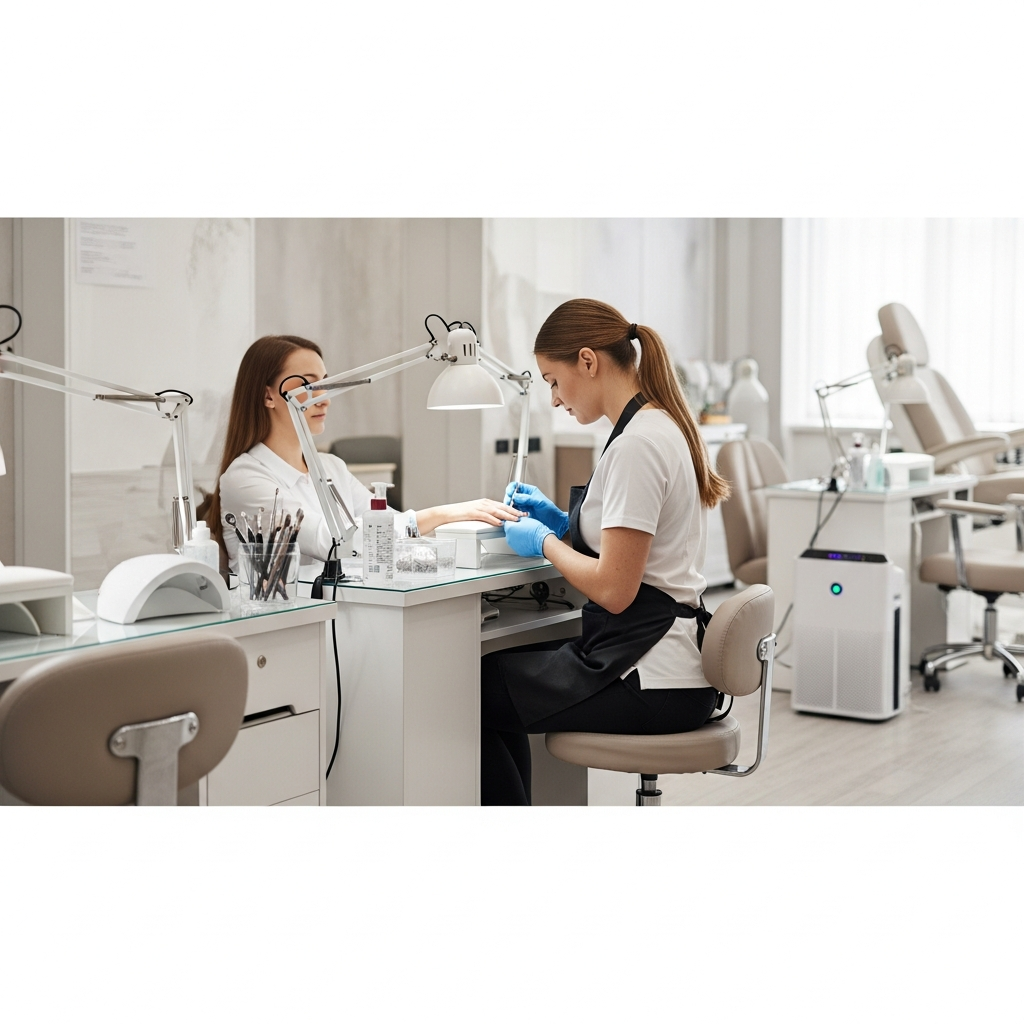
Investing in ergonomic furniture and maintaining proper posture during services is essential for your back and neck.
Consistent stretches between clients can significantly reduce the risk of repetitive motion injuries.
Proper ventilation and respiratory protection are non-negotiable standards for a healthy work environment.
Understanding the chemistry of the products you use allows you to work safely and confidently.
Prioritizing health ensures you can remain active in the industry for decades.
Navigating the Transition to Leadership
Moving from the nail table to a leadership role involves a significant change in daily operations.
Technicians transitioning to owners must master inventory management, labor laws, and team dynamics.
This shift requires stepping back from full-time service hours to focus on business health.
Developing Emotional Resilience
- Set firm boundaries regarding service hours and personal time.
- Learn to manage difficult client interactions with professional neutrality.
- Connect with a community of peers to share industry insights.
Combatting Burnout in High-Volume Environments
Mental fatigue often stems from over-scheduling and the emotional labor of client service.
Implementing a sustainable pacing strategy allows for higher quality work and better mental clarity.
Taking scheduled breaks throughout the day is a requirement for maintaining professional standards.
Regularly auditing your service menu allows you to phase out tasks that no longer align with your goals.
Focusing on services that offer the highest satisfaction helps maintain your passion for the craft.
A balanced career is built on intentional choices rather than reactive scheduling.
