Essential Professional Nail Prep Techniques for Maximum Retention
Professional nail prep is the critical process of mechanically and chemically decontaminating the natural nail plate to ensure optimal product adhesion. By effectively removing the non-living tissue from the nail surface and balancing pH levels, technicians prevent lifting and increase the durability of gel, acrylic, and dip systems for long-term client satisfaction.
The Importance of Mechanical Debridement
Removing the cuticle or non-living tissue from the nail plate is the first step in preventing premature lifting.
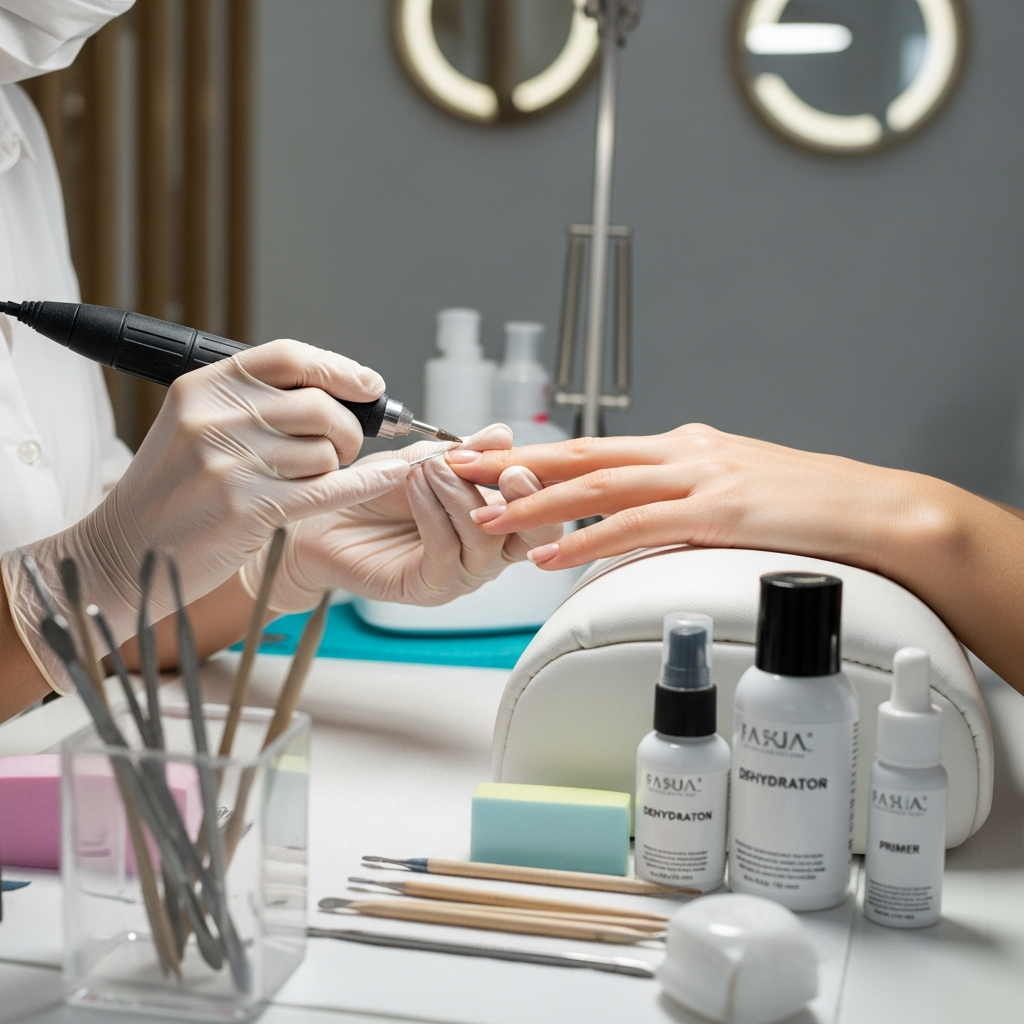
Use a high-quality pusher and professional-grade bits to gently clear the eponychium area without damaging the nail matrix.
A clean surface allows the nail enhancement product to bond directly to the keratin fibers of the natural plate.
Managing Surface Shine and Oil Removal
Gentle buffing with a high-grit file removes the natural oils and shine that act as a barrier to professional adhesion.
Over-filing can thin the nail plate, leading to heat spikes and poor structural integrity during the service.
Focus on the sidewalls and proximal nail fold where oil accumulation is most prevalent among salon clients.
Chemical Preparation and pH Balancing
Dehydrators remove residual moisture from the nail layers, providing a dry canvas for professional bonding agents.
Acid-free primers create a double-sided adhesive bond between the natural nail and the enhancement material.
Applying these chemicals in thin, controlled layers ensures the nail structure remains healthy and receptive to the product.
Proper Application Near the Sidewalls
- Avoid Flooding: Leaving a tiny margin between the product and the skin prevents immediate nail lifting.
- Apex Placement: Ensure the apex is correctly positioned to support the length and weight of the nail extension.
- Tapered Edges: Tapering the product at the edges creates a seamless transition that resists snagging.
Maintaining Client Safety During Prep
Always sanitize the client’s hands and your own tools before starting any nail service to prevent cross-contamination.
Check for signs of thinning or trauma on the nail plate before applying any chemical dehydrators or primers.
Adhering to strict sanitation protocols protects the integrity of the nail industry and the health of the technician.
