Optimizing Nail Salon Operations for Service Consistency
Effective nail salon operations focus on standardized workflows and service protocols to ensure every technician delivers consistent results. By implementing rigorous operational standards, salon owners manage service timing, product usage, and technician performance, which stabilizes revenue and maintains high quality across all nail services within the professional environment.
Standardizing the Nail Service Workflow
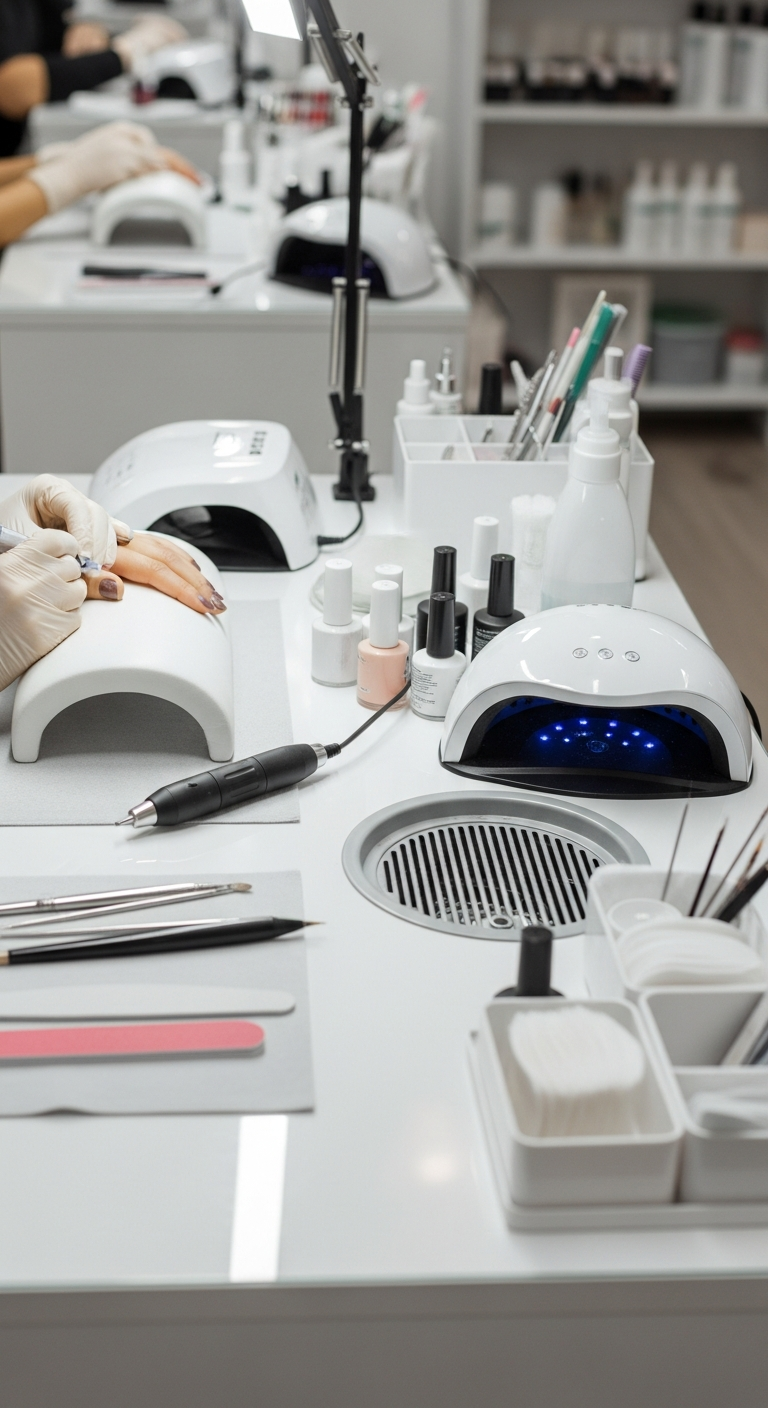
Professional nail salons require a structured sequence for every appointment to maintain efficiency. This begins with a standard client intake process and continues through prep, application, and finishing steps.
Standardized steps ensure that technicians maintain a predictable pace throughout the day. This prevents bottlenecks during peak hours and protects the integrity of the salon’s daily schedule.
Consistency in technique also reduces the likelihood of service failures or redo requests. When every technician follows the same protocol, the client receives the same quality regardless of who performs the service.
Managing Labor Costs and Staff Scheduling
Labor represents the largest operational expense in a U.S. nail salon. Owners must align staffing levels with service demand to avoid idle time or staff burnout.
Precise scheduling ensures that the right number of nail technicians are available for high-volume periods. This maximize the salon’s capacity to handle walk-ins and appointments without increasing overhead.
Tracking the technician-to-client ratio helps maintain profitability while reducing operational waste. Monitoring performance data allows managers to adjust shifts based on historical booking trends and local market needs.
Implementing Operational SOPs for Safety
Standard Operating Procedures (SOPs) are essential for maintaining nail salon sanitation and safety standards. These documents outline the exact steps for disinfecting implements and cleaning work areas.
Following these protocols protects the business from regulatory fines and ensures client safety. Consistent enforcement of these rules builds professional trust and reinforces the salon’s reputation for cleanliness.
Managers should conduct regular audits to ensure all staff members adhere to established safety SOPs. Clear documentation of these processes provides a training foundation for new technicians entering the salon.
Inventory Control and Material Waste
Controlling the use of professional nail products prevents unnecessary material waste and protects profit margins. Technicians should follow specific measurement guidelines for liquids, powders, and professional gels.
High material costs can erode profit margins if chemical usage is not monitored daily. Standardizing the amount of product used per service ensures cost predictability and reduces the need for frequent reordering.
Regular inventory audits help salon managers identify discrepancies and adjust ordering patterns accordingly. Maintaining an organized stockroom prevents over-purchasing and ensures that essential supplies are always available for the team.
Daily Revenue Tracking and Performance Reviews
Monitoring daily sales and individual performance metrics allows for real-time operational adjustments. Tracking the average ticket price per nail service helps identify areas where staff may need additional training.
Consistent performance reviews ensure that every team member meets the salon’s operational benchmarks. These reviews should focus on technical accuracy, service speed, and adherence to the salon’s internal professional standards.
A data-driven approach to management fosters a culture of accountability among the staff. By analyzing revenue trends, salon owners can make informed decisions about service pricing and operational improvements.
