Standardizing Nail Salon Operations for Service Consistency
Nail salon service consistency is achieved through standard operating procedures that govern technical execution and professional behavior. By formalizing every stage of the nail service, owners ensure predictable quality, optimize material usage, and minimize service failures. This operational structure allows the salon to maintain high standards and technician accountability daily.
Establishing Technical Protocols for Nail Services
Uniformity in technical execution prevents variations in service quality that can drive clients away. Every nail technician must follow the same preparation steps, including proper nail plate dehydration and cuticle cleaning protocols.
Standardizing the amount of product used per service, such as the number of acrylic beads or coats of gel polish, protects profit margins. It also ensures that the structural integrity of the nail enhancement remains consistent across the entire staff.
Documented finishing techniques for shaping and filing ensure that every client receives a similar aesthetic result. These standards should be kept in a physical manual accessible to all staff members during working hours.
Optimizing Daily Workflows and Station Management
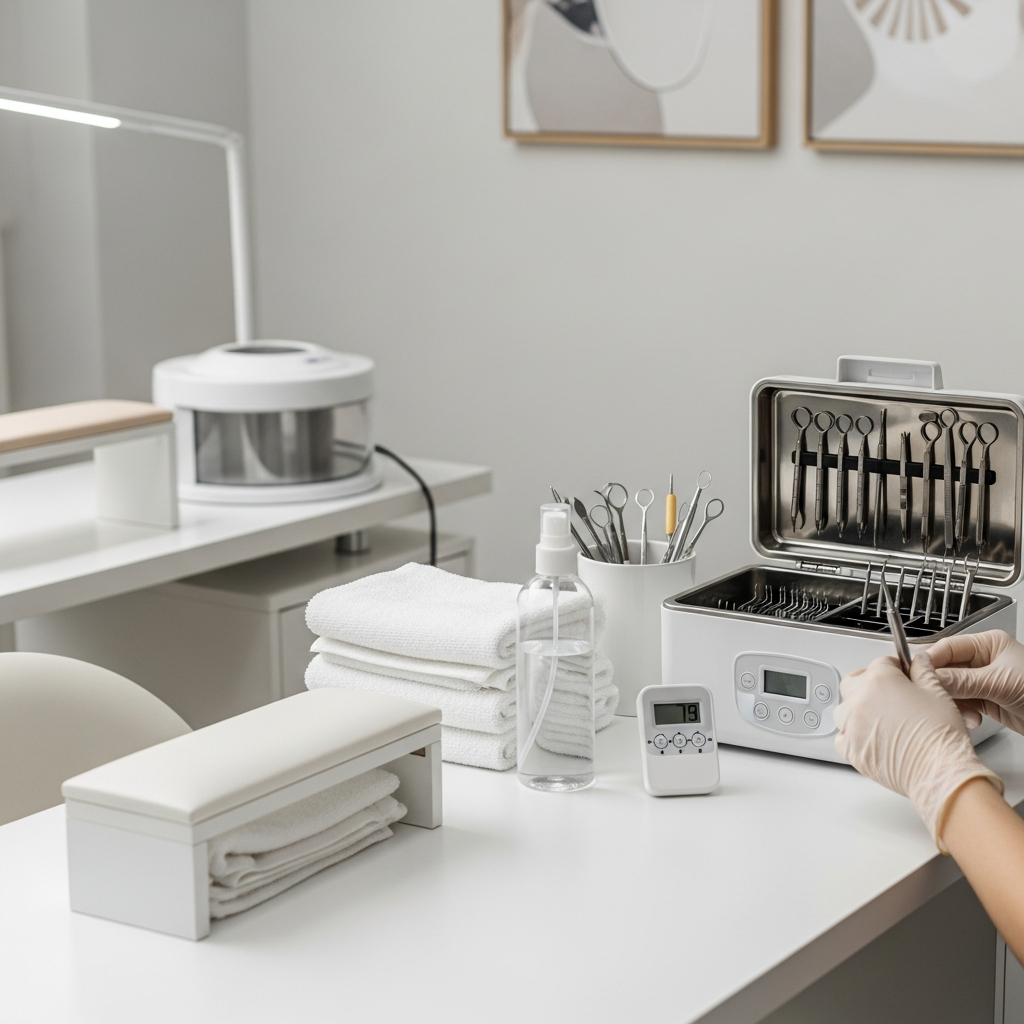
Efficient nail salon management relies on a strict station turnover protocol to maintain hygiene and speed. Technicians must be trained to sanitize their tools and reset their desks within a specific five-minute window between appointments.
Morning and evening checklists are essential for maintaining the operational health of the facility. These lists should include towel laundering, chemical storage checks, and the replenishment of essential nail liquids and powders.
Managing the flow of the salon floor requires clear communication between the front desk and the technicians. Clear protocols for client intake and hand-washing requirements help maintain a professional environment and ensure sanitation compliance.
Sanitation and State Board Compliance
U.S. nail salons must strictly adhere to state board regulations regarding the disinfection of non-porous tools and the disposal of single-use items. Standardized cleaning logs help track compliance and ensure the safety of both staff and clients.
Proper chemical storage and ventilation are operational priorities that impact the longevity of the facility and the health of the technicians. Regular audits of the safety data sheets for all nail products are mandatory for professional operations.
Managing Labor Costs and Service Timing
Labor is the highest operational expense in a nail salon, making time management a critical factor for profitability. Owners must set clear time limits for services like full sets, fills, and gel manicures to prevent scheduling backlogs.
Technician performance should be monitored based on their ability to meet these time standards without compromising the quality of the nail work. Regular technical training sessions can help slower technicians improve their efficiency.
Consistent timing allows for more accurate scheduling and reduces the likelihood of long wait times for clients. This predictability is essential for maintaining a high-volume professional nail environment in the competitive U.S. market.
Inventory Tracking and Back-Bar Waste
Uncontrolled product usage can significantly erode the revenue generated from nail services. Implementing a checkout system for high-cost items like monomer, polymer, and specialized gel systems helps monitor internal consumption.
Weekly inventory counts prevent service interruptions caused by out-of-stock items. Maintaining a lean inventory of nail supplies reduces overhead and ensures that chemicals remain within their effective shelf life.
By analyzing the ratio of product used to the number of services performed, management can identify areas where waste is occurring. Addressing these inefficiencies through staff retraining directly improves the salon’s bottom line.
