Standardizing Nail Salon Workflows for Consistency
A standardized nail salon workflow is a structured set of operational procedures designed to ensure every technician delivers consistent service quality. These protocols govern the entire nail service process, from client consultation and sanitation to technical execution, ensuring predictable results, controlled material costs, and uniform professional standards across the salon floor.
Establishing Service Consistency Through SOPs
Professional nail salon management relies on repeatable processes to maintain brand integrity. Standard Operating Procedures (SOPs) define how every nail service is performed by every staff member.
When technicians follow identical steps, client satisfaction remains high regardless of the professional assigned. This consistency reduces the risk of service failures and minimizes the need for no-charge repairs.
Defining the Technical Workflow
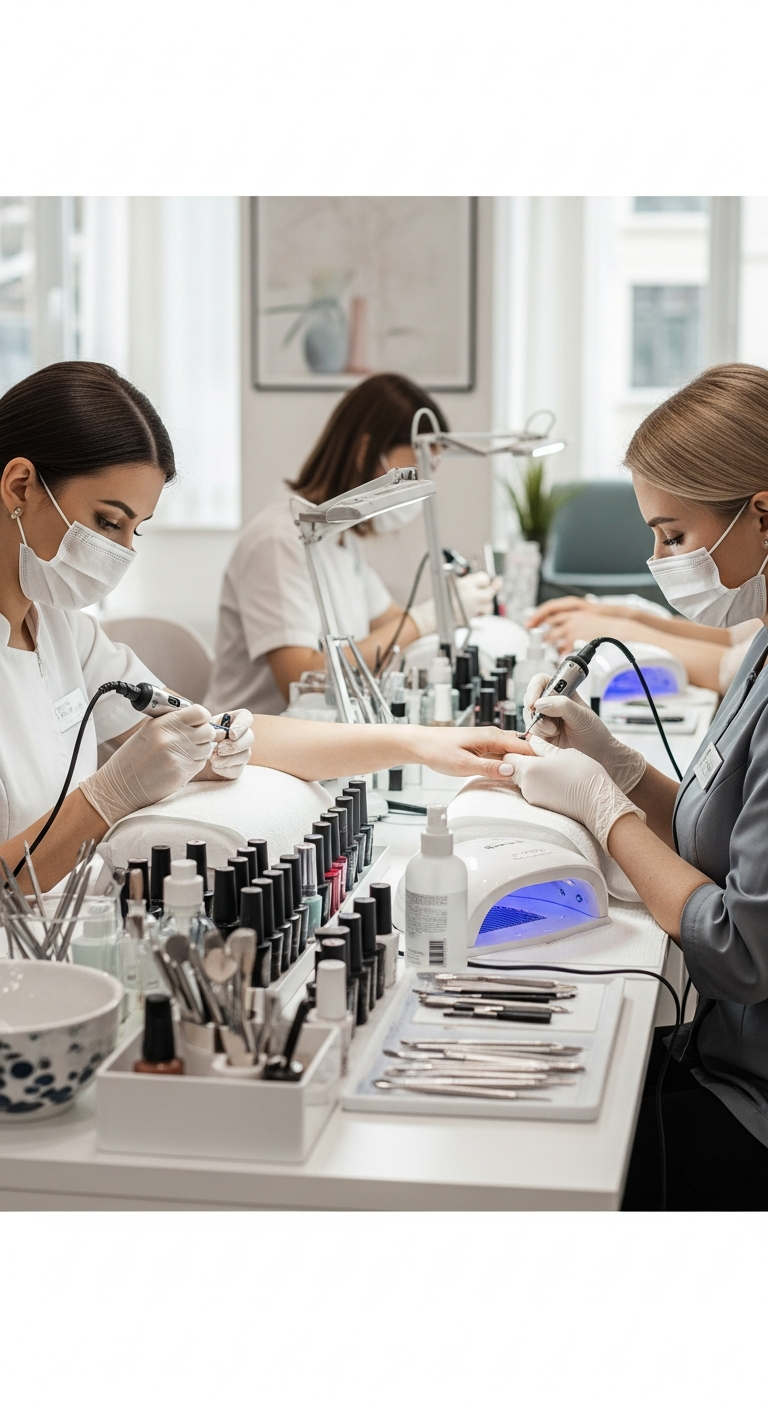
Each nail service should follow a precise sequence of technical steps including specific prep methods and product application. Uniformity reduces service time and prevents material waste during busy shifts.
Standardizing the amount of product used per nail ensures that chemical costs remain predictable. Managers must train staff to use consistent measurements for acrylic, gel, and liquid systems.
Managing Staff Performance and Scheduling
Efficient nail salon operations require balancing technician availability with peak demand hours. Staff performance is measured by technical accuracy, service speed, and adherence to sanitation protocols.
Managers must monitor rework rates to identify technical gaps in the nail department. Routine performance reviews help maintain high standards across the entire technical team.
Labor Cost Control and Optimization
Labor is the largest expense in a professional nail business, making precise scheduling essential. Proper scheduling prevents overstaffing during slow mornings and understaffing during peak weekends.
Aligning staff shifts with historical appointment data optimizes revenue per nail station. Effective managers adjust schedules based on service duration to maximize the daily appointment capacity.
Revenue Tracking and Cost Management
Tracking daily nail service revenue helps owners identify profitable versus high-cost treatments. Monitoring chemical usage prevents product shrinkage and protects the salon’s profit margins.
Accurate inventory logs ensure nail supplies are always available without tying up excessive capital in overstock. Managers should audit supply cabinets weekly to reconcile usage against service volume.
Internal Quality Audits
Regular checks of nail stations and finished work maintain professional standards. Managers should review sanitation logs and service times weekly to ensure operational compliance.
Consistent feedback loops prevent technical habits from affecting the salon’s reputation. Clear documentation of operational errors allows for targeted training and continuous improvement in the nail environment.
