Nail Salon Startup Guide: Surviving the First Year
Opening a nail salon involves securing a commercial lease, obtaining state board licensing, and managing initial equipment costs to ensure long-term viability. Success requires a focus on professional nail services, strict sanitation protocols, and a calculated break-even analysis to survive the high-overhead challenges typical of the first year of operation.
Essential Legal and Licensing Requirements
Every new nail business must comply with specific U.S. state board regulations to operate legally.
You need a salon facility license and individual practitioner licenses for every technician on staff.
Failure to display these permits can lead to immediate fines during initial inspections.
Securing professional liability insurance is another critical step for a new nail salon owner.
This coverage protects the business from claims related to chemical reactions or accidental injuries.
Consult with a local agent to ensure your policy covers all nail enhancement services offered.
Managing Initial Nail Equipment and Supply Costs
Startup costs for a nail salon can escalate quickly without a strict procurement budget.
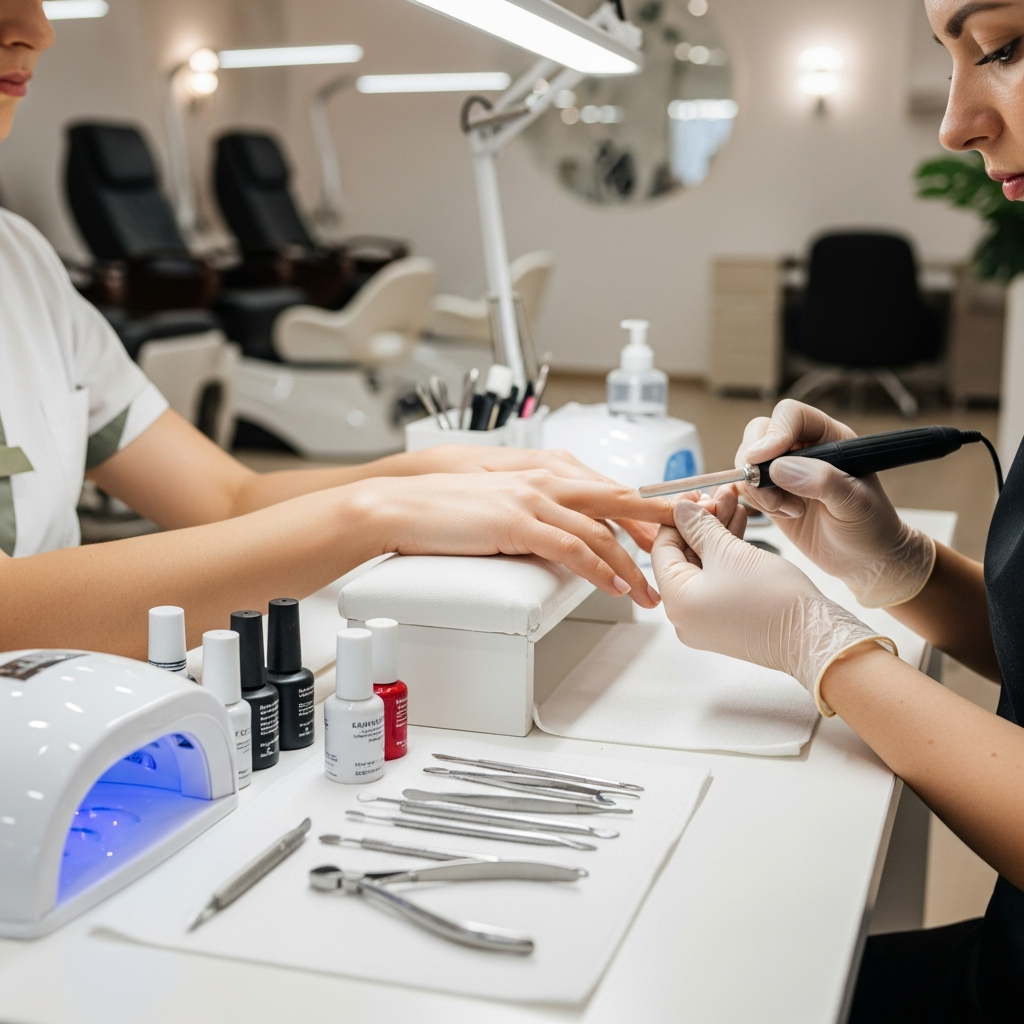
Prioritize high-quality manicure tables and pedicure chairs that meet ergonomic and plumbing standards.
Avoid over-purchasing excessive polish colors that may sit on the shelf and expire.
Invest in professional-grade ventilation systems to maintain a safe environment for staff and clients.
Proper air filtration removes dust and chemical vapors inherent in nail enhancement applications.
A clean-smelling salon builds immediate trust with first-time customers during your opening months.
Controlling Professional Product Waste
Monitor the usage of monomer, polymer, and gel products to prevent unnecessary financial loss.
New technicians often use more product than required, which shrinks your profit margins.
Implement standardized dispensing protocols to ensure every nail service remains cost-effective.
Calculating Your Nail Salon Break-Even Point
Survival depends on knowing exactly how many nail services you must perform to cover monthly expenses.
Calculate fixed costs like rent and utilities alongside variable costs like disposable files and buffers.
This data helps you set service prices that ensure the business remains sustainable.
Avoid the temptation to underprice services just to attract a high volume of clients.
Low prices often attract customers who are not loyal and do not value professional nail expertise.
Focus on quality execution to build a recurring client base that supports long-term growth.
Common First-Year Mistakes to Avoid
Many new owners fail by ignoring the importance of strict sanitation and disinfection logs.
Inconsistent cleaning habits can lead to infections and a permanent loss of professional reputation.
Maintain a rigorous schedule for cleaning pedicure basins and sterilizing metal implements.
Overstaffing before establishing a steady client flow is another frequent startup error.
Start with a core team of reliable nail technicians and scale as your appointment book fills.
Managing labor costs effectively is the most direct way to survive the first twelve months.
