Opening a Nail Salon: First Year Survival and Startup Costs
Opening a nail salon requires securing a commercial lease, obtaining state board licenses, and managing initial inventory costs for professional services. Successful first-year survival depends on strict cost control, understanding break-even points, and ensuring all sanitation protocols meet state regulations to avoid fines while building a loyal client base within the local community.
Essential Startup Costs for New Nail Salon Owners
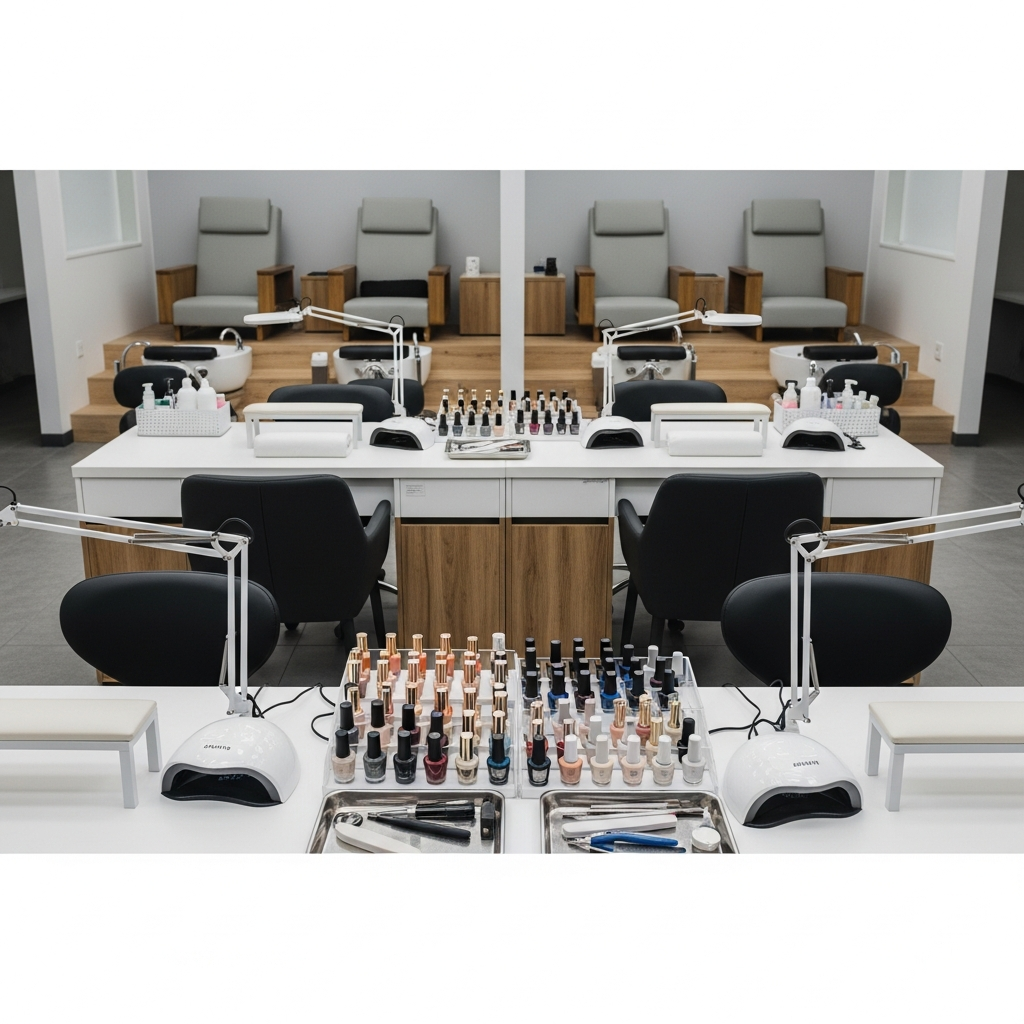
The initial investment for a nail salon typically covers the lease deposit, plumbing for pedicure stations, and specialized ventilation systems. Professional manicure tables and ergonomic seating for both technicians and clients are necessary for operational safety.
Initial inventory must include a range of professional nail lacquers, gel systems, and acrylic polymers. High-quality LED lamps and electric files represent significant upfront costs that require careful budgeting during the startup phase.
Sanitation equipment is a non-negotiable expense for any new business in the nail industry. Investing in high-grade autoclaves or EPA-registered disinfectants ensures the salon meets health department standards from the first day of operation.
Navigating Legal and Licensing Requirements
Every nail salon must secure an establishment license through their specific State Board of Cosmetology. This process involves inspections to verify that the facility meets square footage and safety requirements.
Professional liability insurance is critical for protecting the business against claims related to nail services. Owners must also ensure all technicians hold active individual licenses and display them prominently according to local laws.
Building codes often require specific ventilation systems to manage dust and chemical vapors. Compliance with these regulations is essential during the build-out phase to avoid costly corrections after the salon opens.
Financial Survival in the First Twelve Months
Calculating the break-even point is the most important financial task for a new salon owner. This involves determining how many manicures or pedicures must be performed daily to cover rent, utilities, and payroll.
Cost control focuses on minimizing product waste and managing supply orders. Tracking the usage of monomers, polymers, and gels prevents overstocking and keeps cash flow available for emergency repairs or marketing.
Effective payroll management requires choosing between commission-based models or booth rentals. Each structure impacts the salon’s tax obligations and total overhead costs differently during the critical first year.
Common Beginner Business Mistakes to Avoid
Over-purchasing trendy nail colors that do not sell can drain a startup budget quickly. Focus on core professional sets and expand the color palette only after the client base begins to grow.
Ignoring regular equipment maintenance can lead to expensive replacements. Cleaning pedicure chair filters and servicing electric files weekly prevents breakdowns that interrupt service and result in lost revenue.
Failure to document every transaction leads to tax complications and poor financial visibility. Maintaining clear records of service sales and retail purchases is mandatory for evaluating the health of the business.
Building a Sustainable Client Base
Local visibility is key to surviving the first six months of operation. Focus on providing consistent, high-quality nail enhancements and natural nail care to encourage repeat bookings and word-of-mouth referrals.
Implementing a simple loyalty program can increase client retention rates significantly. Rewarding returning customers for their fifth or tenth visit helps stabilize income during the slower months of the first year.
Maintaining a clean and professional environment is the best marketing tool for a new salon. Clients prioritize safety and sanitation when choosing a permanent nail professional for their routine services.
