Opening a Nail Salon: First-Year Survival Guide
Opening a nail salon requires a valid business license, professional nail technician certifications, and a strategic budget for specialized equipment and ventilation. To ensure first-year survival, owners must focus on break-even analysis, consistent service pricing, and strict adherence to state board sanitation protocols to avoid costly legal penalties.
Essential Startup Costs and Initial Investment
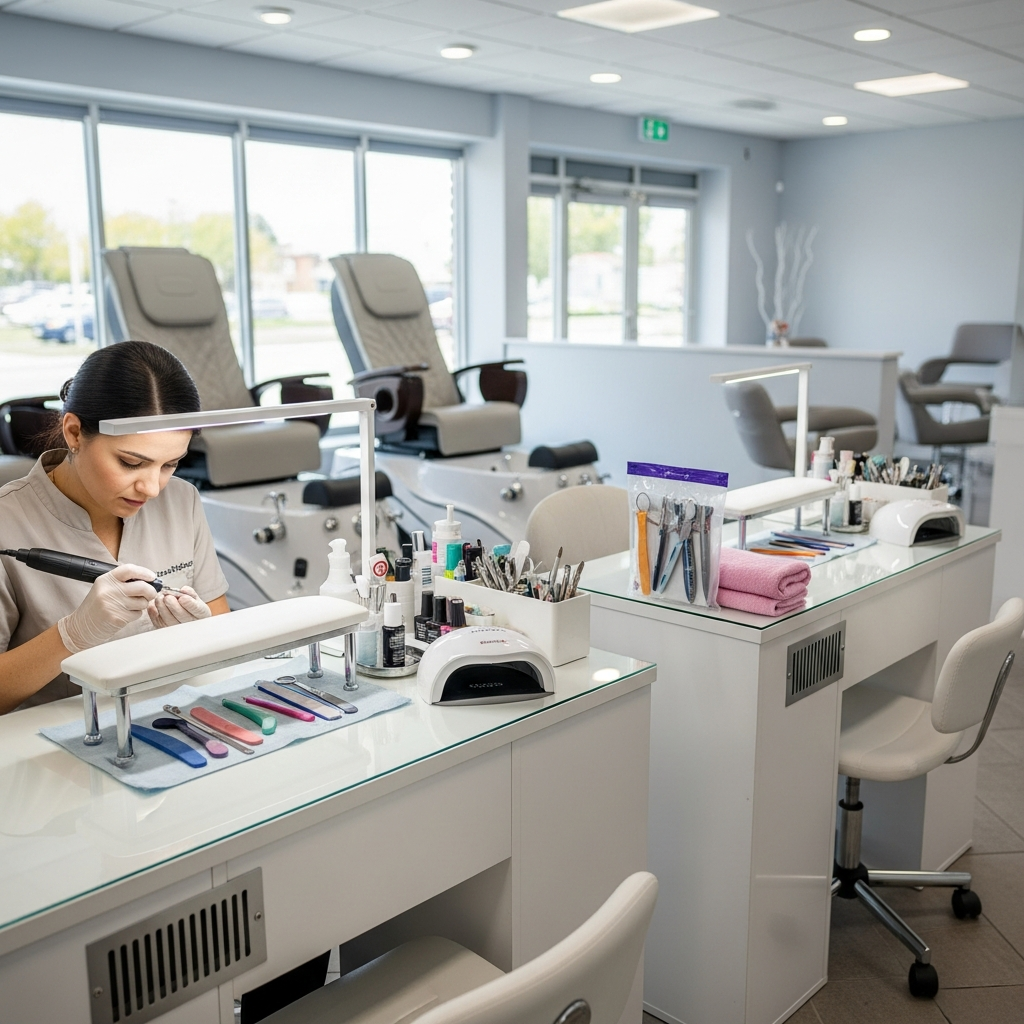
The initial phase of opening a nail salon involves significant capital for specialized equipment. Professional manicure tables with built-in ventilation systems are mandatory in many U.S. jurisdictions to ensure air quality.
Owners must also budget for high-quality pedicure chairs that meet plumbing codes. Initial inventory should include professional-grade monomer, polymer, gel systems, and a wide range of lacquer colors to satisfy diverse client preferences.
Hidden costs often include security deposits for commercial leases and utility setup fees. Insurance is another non-negotiable expense, covering general liability and professional malpractice for the nail services provided.
Legal Setup and State Board Compliance
Every U.S. state has specific requirements for nail salons under their respective Boards of Cosmetology. Securing a salon owner license is usually a separate process from obtaining an individual nail technician license.
The facility must pass a rigorous inspection before the first client can be served. This inspection focuses on sanitation stations, autoclave or chemical disinfection protocols, and the proper storage of hazardous chemicals.
Choosing the right business structure, such as an LLC, protects personal assets from business liabilities. Consult with a local professional to ensure all municipal zoning permits are secured for your specific location.
Financial Survival and Cash Flow Management
Calculating the break-even point is the most critical task for a new nail salon owner. This represents the exact number of manicures and pedicures needed each month to cover rent, payroll, and supplies.
Service pricing must reflect the local market while accounting for product waste. Many beginners fail by pricing services too low, not realizing that the cost of back-bar supplies can erode profit margins quickly.
Strict inventory management prevents capital from being locked in unused products. Tracking the usage of acrylic liquids and gels helps identify waste and improves the overall financial health of the business.
Avoiding Common Beginner Business Mistakes
Underestimating the importance of a solid workflow is a common error in new salons. An inefficient floor plan can slow down service times, reducing the number of clients a nail technician can see per day.
Neglecting the maintenance of tools like e-files and UV/LED lamps can lead to poor service results. Regular equipment checks ensure that gel polish cures correctly and enhancements remain durable, reducing unpaid repair appointments.
Finally, failing to set clear boundaries with booth renters or employees can cause operational chaos. Establishing written house rules regarding cleaning duties and professional conduct is essential for a stable work environment.
- Secure all professional nail licenses before signing a lease.
- Invest in high-quality ventilation to meet health standards.
- Track every dollar spent on nail supplies and inventory.
- Maintain strict sanitation logs to pass surprise inspections.
