Building a Sustainable Long-Term Nail Career
A sustainable nail career is a professional path focused on balancing physical health, service efficiency, and mental well-being to prevent industry-specific burnout. Professional technicians achieve longevity by implementing ergonomic workstations, setting client boundaries, and investing in education to transition from repetitive labor into specialized roles or salon leadership.
Understanding the Physical Demands of Nail Work
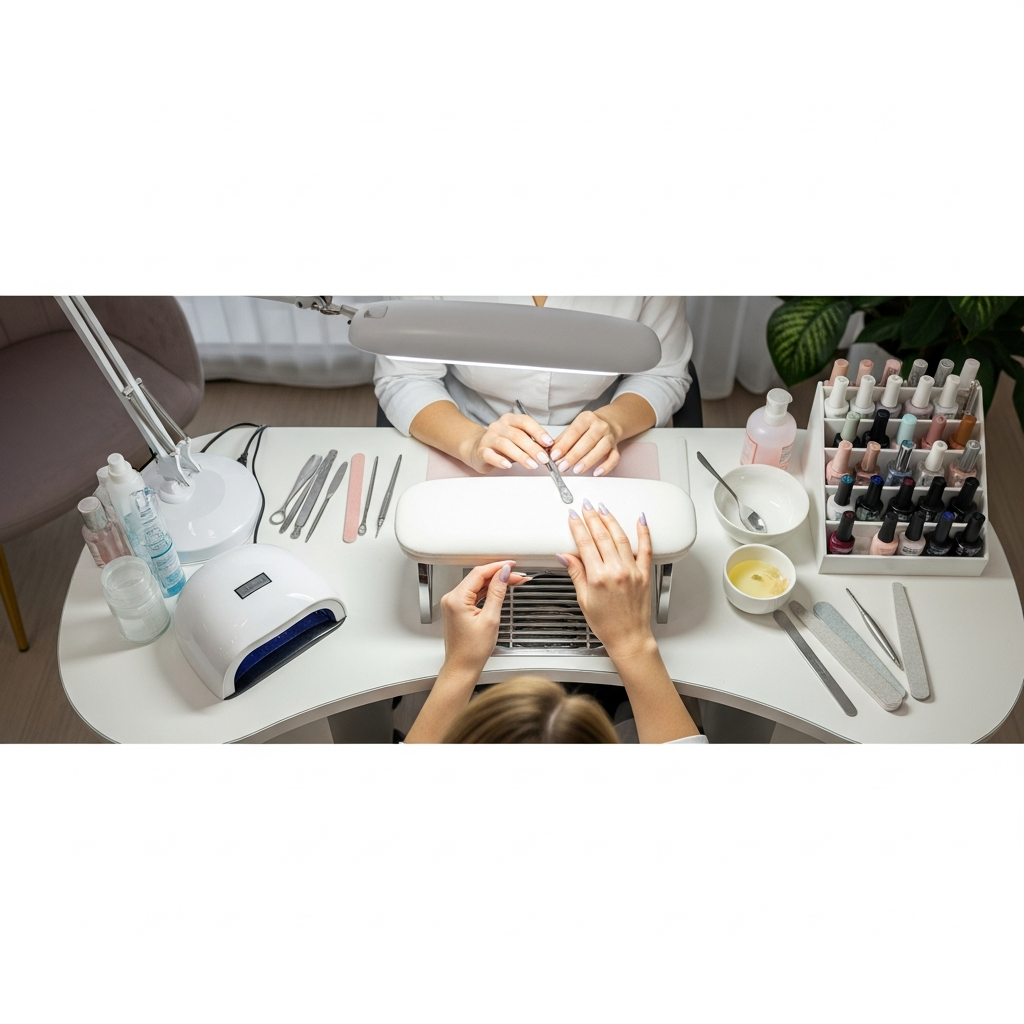
The physical nature of the nail industry often leads to repetitive strain and chronic fatigue if not managed correctly. Long hours at a manicure station require a disciplined approach to posture and workstation setup to ensure a decades-long career.
U.S. labor statistics indicate that musculoskeletal issues are a primary reason for early retirement among technicians. Staying active and incorporating functional stretching into a daily routine helps maintain the dexterity required for high-level service execution.
Ergonomic Adjustments for Longevity
- Chair Height: Ensure the technician’s chair allows feet to rest flat while maintaining a straight spine.
- Lighting: Proper task lighting prevents eye strain and prevents the technician from leaning too close to the work surface.
- Table Depth: Using a table that minimizes reaching reduces the load on the lower back and shoulders during long shifts.
Mental Resilience and Professional Boundaries
Burnout in the nail industry is frequently tied to emotional labor and the lack of clear professional boundaries with clients. Establishing a consistent schedule and adhering to a professional code of conduct protects your mental energy.
Navigating the transition from a technician who says “yes” to every request to a specialist who commands respect requires a mindset shift. Recognizing your value as a licensed professional is the first step toward reducing career-ending stress.
Setting firm policies regarding late arrivals, cancellations, and client behavior creates a predictable work environment. This structure allows the nail professional to focus on craftsmanship rather than managing constant scheduling conflicts.
Scaling Your Career Beyond the Table
Many professionals eventually look toward a transition from technician to salon owner or educator to sustain their income. This shift requires developing a business mindset that prioritizes systems and leadership over manual labor.
Moving into management requires a deep understanding of U.S. salon regulations and labor laws. Success in this phase of a nail career depends on the ability to train others and maintain quality standards across a team.
The Path to Salon Ownership
Transitioning into ownership is a common goal for experienced technicians seeking more control over their environment. It involves shifting focus from individual client retention to brand development and operational efficiency.
Professional growth in the nail industry is not limited to the service table. Exploring roles in curriculum development, brand consulting, or multi-location management offers a way to stay relevant while reducing physical strain.
A growth mindset ensures that the professional remains adaptable to changing market trends and consumer behaviors. Continuous learning in business management is just as vital as maintaining technical licensing requirements.
