Long-Term Career Sustainability for Nail Technicians
Career sustainability in the nail industry requires balancing physical health, mental resilience, and strategic professional development to ensure longevity. A successful nail technician maintains long-term viability by implementing ergonomic practices, setting firm professional boundaries, and continuously evolving their skill set to adapt to changing market demands while avoiding burnout.
Managing the Physical Demands of Professional Nail Work
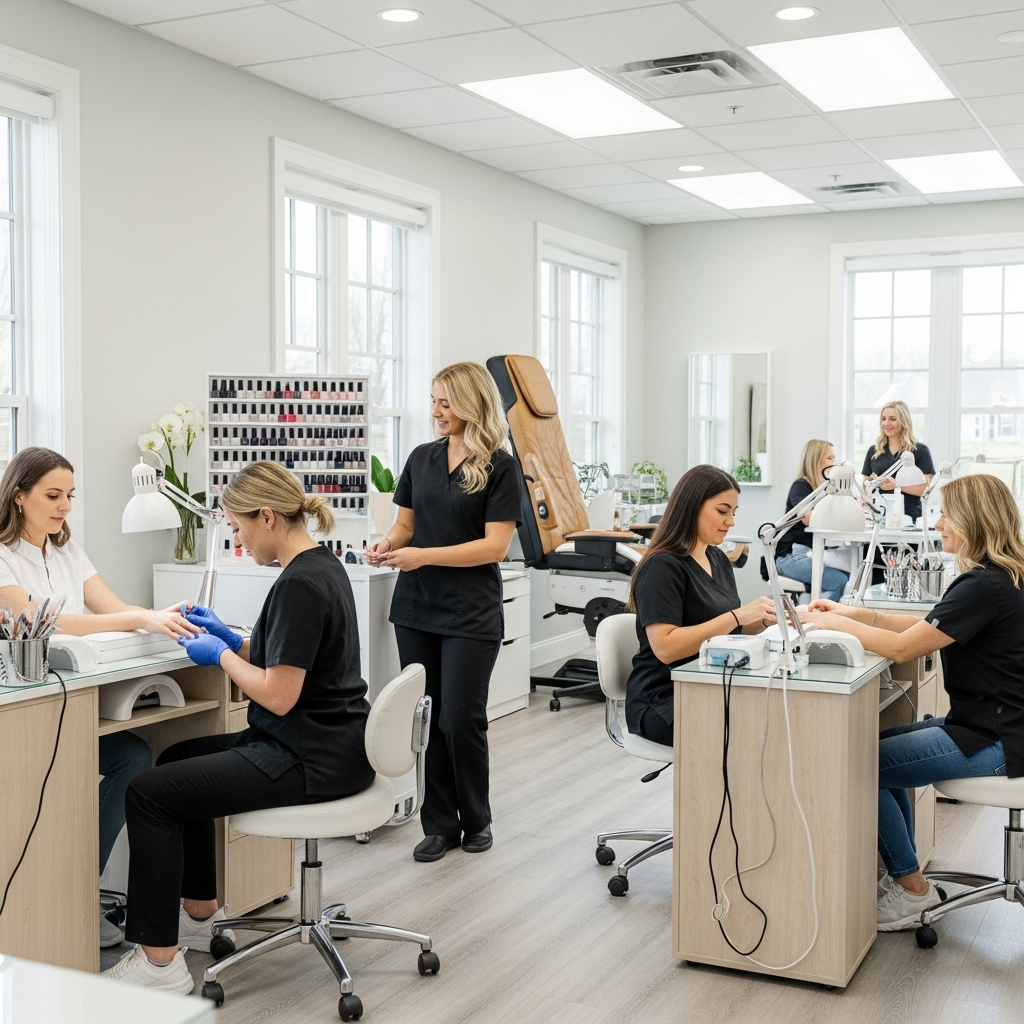
The repetitive nature of nail services often leads to physical strain on the back, neck, and wrists.
Maintaining a long-term career requires investing in high-quality ergonomic seating and proper lighting.
Establishing a regular stretching routine between clients is essential to prevent chronic occupational injuries.
Proper ventilation and respiratory protection are also critical components of career longevity.
Exposure to dust and chemical vapors can impact health over several years of service.
Using source-capture ventilation systems protects the respiratory health of the professional.
Developing a Resilient Professional Mindset
A growth mindset allows a nail professional to view challenges as opportunities for skill refinement.
Staying updated on industry standards prevents professional stagnation and increases market value.
Nail technicians who prioritize education often find higher levels of job satisfaction.
Setting professional boundaries is necessary to protect mental energy and maintain a healthy work-life balance.
Clearly defined working hours and service policies prevent the exhaustion commonly associated with client management.
Consistency in these boundaries builds a more respectful and professional clientele.
Strategic Career Transitions within the Nail Industry
Moving from Technician to Educator
Transitioning into an educator role offers a way to reduce physical labor while sharing industry expertise.
Experienced nail professionals can provide valuable insights to the next generation of technicians.
This path diversifies income and reinforces the professional’s authority in the field.
The Path to Salon Ownership
Transitioning from a commission or booth rental structure to salon ownership requires a shift in focus.
Success in this phase depends on understanding nail salon workflows and operational management.
Owners must balance their technical background with the demands of leading a professional team.
Identifying and Preventing Professional Burnout
Burnout in the nail industry often manifests as a loss of passion or physical exhaustion.
Early signs include chronic fatigue and a declining interest in new nail trends.
Recognizing these symptoms early allows for necessary adjustments in scheduling and workload.
- Schedule regular breaks throughout the workday to rest the eyes and hands.
- Rotate service types to prevent repetitive strain from specific nail techniques.
- Engage with professional communities to find support and shared experiences.
- Invest in continuing education to reignite passion for the craft.
