Sustainable Growth Strategies for Your Nail Career
A successful nail career requires a strategic approach to professional development, physical health preservation, and mental resilience. By balancing technical advancement with ergonomic awareness and business education, nail technicians can ensure long-term sustainability while transitioning from entry-level positions to specialized roles or salon ownership within the competitive American market.
Navigating the Nail Career Lifecycle
Professional growth in the nail industry follows a distinct trajectory from initial licensure to veteran expertise.
Understanding each stage helps practitioners set realistic expectations and prepare for the demands of high-volume service.
Mastery involves more than just speed; it requires a deep understanding of nail anatomy and chemical interactions.
The Foundation Phase
Early-stage nail technicians must focus on consistency, sanitation standards, and building a loyal client base.
Initial years are critical for developing the muscle memory required for complex nail enhancements and structural repairs.
Establishing strong work habits early prevents the development of poor ergonomic postures that shorten careers.
Specialization and Mastery
Moving beyond basic services allows a nail professional to increase their value and command higher service rates.
Specializing in advanced nail structures or specific product chemistries differentiates a technician from general practitioners.
This phase often involves a shift from taking every client to selecting a niche that matches personal strengths.
Preventing Physical Burnout in Nail Work
The repetitive nature of nail services poses significant risks to the hands, wrists, back, and neck.
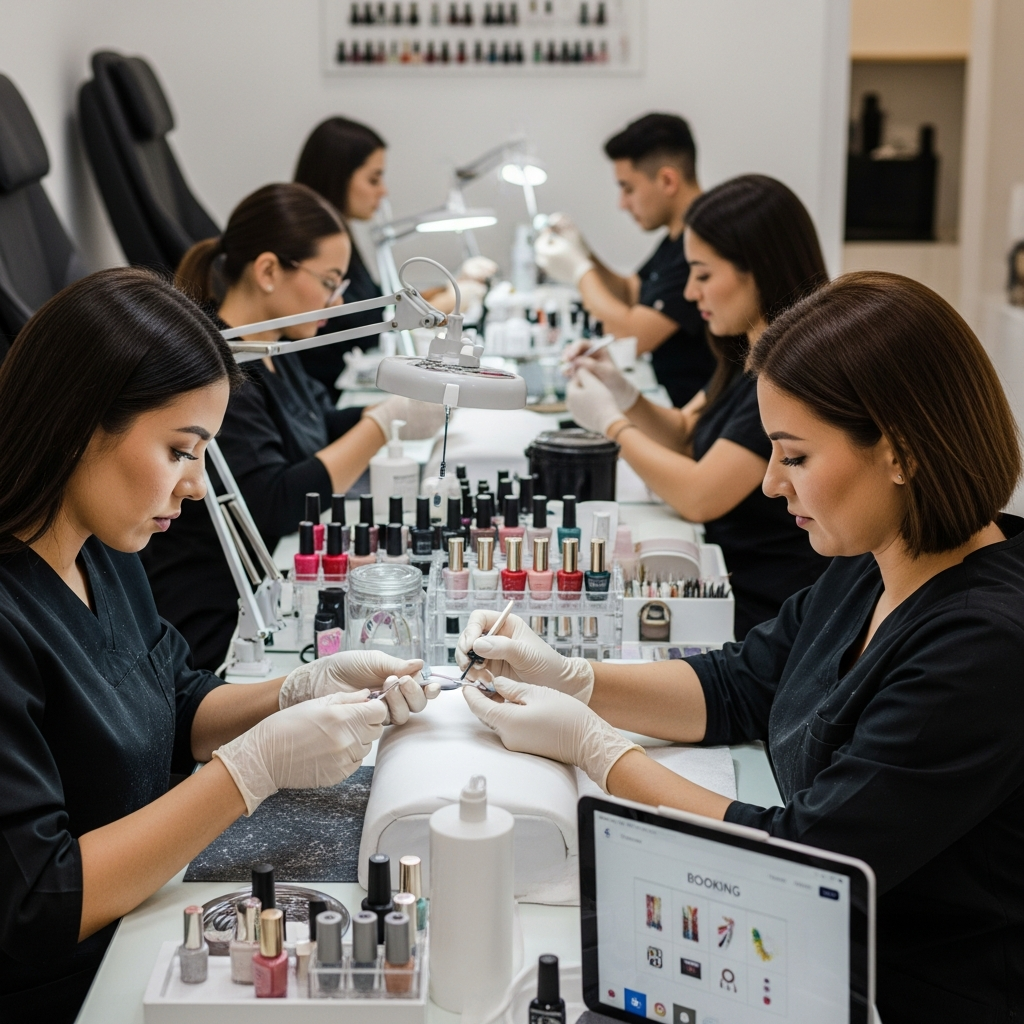
Implementing proper desk height and high-quality seating is essential for maintaining a long-term presence behind the table.
Successful professionals schedule regular breaks to mitigate the physical toll of precision nail application and filing.
Investing in high-performance dust extraction and ventilation protects respiratory health from fine particulate matter.
Consistent use of professional-grade tools designed for ergonomics reduces the strain on small muscle groups in the hands.
Longevity in the nail field is directly linked to how well a technician protects their physical assets.
Transitioning From Technician to Leader
Moving from the chair to a management or ownership role requires a total shift in professional mindset.
Successful nail salon owners must prioritize business systems and staff development over their own personal service volume.
This transition demands a mastery of nail industry labor laws, inventory management, and professional leadership skills.
Mentorship plays a vital role in this progression, as experienced technicians train the next generation of nail artists.
Effective leaders foster a culture of continuing education and strict adherence to professional industry standards.
The transition is successful when the business thrives independently of the owner’s individual nail production.
Maintaining Mental Resilience
The service-heavy nature of the nail industry can lead to emotional exhaustion without proper professional boundaries.
Setting clear policies regarding client conduct and appointment schedules protects the technician’s mental well-being.
A sustainable mindset views nail work as a marathon rather than a sprint to fill every available hour.
Connecting with a community of nail professionals provides the support needed to navigate industry challenges.
Participating in professional forums and networking events helps technicians stay inspired and updated on industry trends.
Focusing on long-term career goals prevents the daily pressure of a busy schedule from becoming overwhelming.
