Navigating Career Longevity in the Nail Industry
A professional nail career is sustained through a combination of ergonomic discipline, mental health management, and strategic skill diversification. Longevity in the nail industry requires technicians to balance high-volume service demands with consistent professional development to transition into advanced technical roles or salon ownership successfully.
Recognizing the Physical Demands of Nail Work
Maintaining a long-term presence at the nail table requires a proactive approach to physical health. Repetitive motions and prolonged sitting can lead to chronic strain if not managed correctly.
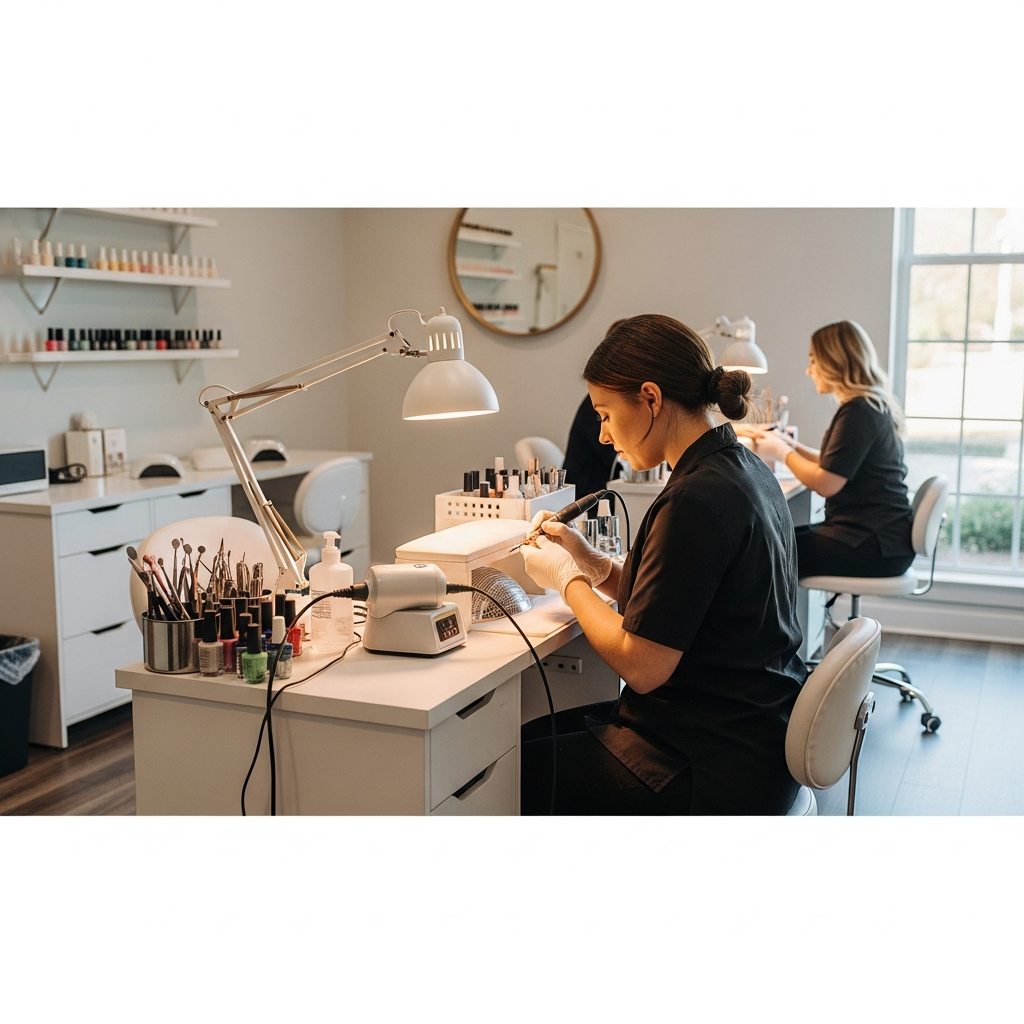
Nail technicians must prioritize ergonomic seating and table heights to protect the spine and neck. Implementing regular stretching intervals between nail appointments helps mitigate the risk of carpal tunnel and muscle fatigue.
Using high-quality professional tools that reduce vibration and strain is essential for career endurance. Investing in proper lighting and ventilation also protects the technician’s vision and respiratory health over time.
Managing Mental Pressure and Client Boundaries
The nail industry is high-touch and emotionally demanding, often leading to mental exhaustion. Establishing clear professional boundaries with clients is the first step in preventing emotional burnout.
Consistent scheduling and firm policies regarding late arrivals or cancellations provide a sense of control. Nail professionals who communicate expectations clearly often experience higher job satisfaction and lower stress levels.
Developing a support network of fellow nail technicians provides an outlet for sharing industry-specific challenges. Mentorship within the nail community fosters a growth mindset and reduces the isolation of the workstation.
Strategies for Professional Growth Mindset
- Specialization: Focus on high-value nail services to increase revenue without increasing physical labor hours.
- Education: Attend industry trade shows and advanced nail workshops to stay inspired and technically proficient.
- Financial Planning: Track nail supply costs and service margins to ensure long-term financial stability.
Transitioning from Nail Technician to Salon Owner
Moving from the nail chair to a leadership role requires a shift in perspective from technical execution to business operations. This transition is a common path for those seeking long-term industry sustainability.
Successful owners focus on creating a healthy work culture that prioritizes the well-being of their nail team. Understanding labor laws and professional standards ensures the business remains reputable and stable.
Developing systems for inventory and workflow allows the owner to step back from the table when necessary. This evolution preserves physical health while maintaining a strong presence in the nail market.
Building a Sustainable Nail Career Path
A sustainable career in the nail industry is not accidental; it is the result of intentional planning. Technicians should regularly assess their career goals to avoid stagnation.
Whether pursuing a path as a lead educator or a salon manager, the focus remains on professional excellence. The U.S. nail market offers diverse opportunities for those who treat their craft as a lifelong profession.
