Mastering E-File Techniques for Professional Nail Technicians
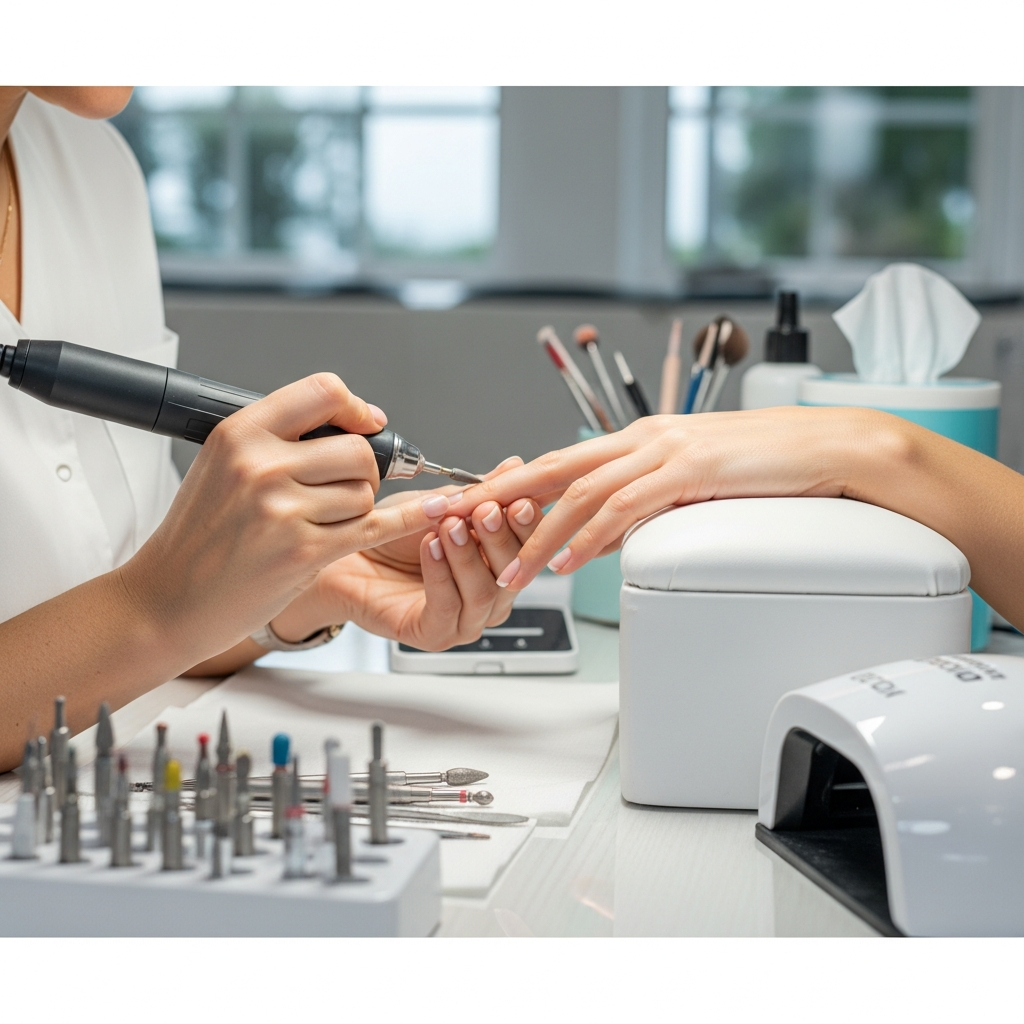
Precision execution with an electric file (e-file) is a foundational skill for any modern nail technician. In the competitive United States nail salon market, mastering this tool is essential for improving service speed and finishing quality.
Professional e-file usage requires a deep understanding of torque, RPM settings, and the physical properties of various bits. This knowledge ensures the integrity of the natural nail plate while providing a flawless canvas for product application.
Precision Bit Selection for Professional Nail Preparation
Selecting the appropriate bit for each specific stage of the service is critical for safety. Using the wrong grit or material can lead to over-filing or excessive heat transfer to the client’s nail bed.
Diamond Bits for Dry Manicure and Cuticle Work
Diamond bits are the industry standard for refining the periungual skin and lifting the eponychium. The fine grit allows for gentle exfoliation without damaging the delicate living tissue surrounding the nail.
- Flame Bit: Ideal for cleaning the lateral folds and removing pterygium from the nail plate surface.
- Ball Bit: Specifically designed for safe cuticle removal after the pocket has been properly opened.
- Micro-cylinder Bit: Used for smoothing the proximal nail fold to achieve a high-end, clean aesthetic.
Carbide and Ceramic Bits for Product Removal
When thinning out builder gel or removing acrylic enhancements, carbide bits provide the necessary cutting power. These bits feature flutes that shave the product away rather than grinding it into dust.
Technicians in a United States nail salon should utilize large barrel carbides for bulk reduction. Cross-cut patterns are preferred as they reduce vibration and minimize the risk of micro-shattering the enhancement material.
RPM Management and Technical Hand Positioning
Controlling the speed of the e-file is a technical decision based on the bit diameter and the task at hand. High speeds are generally reserved for product thinning, while low speeds are mandatory for natural nail prep.
Establishing Safe RPM Ranges
For cuticle work, professional technicians should operate between 3,000 and 7,000 RPM. This range provides enough power to remove non-living tissue without generating dangerous levels of friction or heat.
When refining surface architecture or removing bulk, speeds may increase to 15,000 or 20,000 RPM. Always maintain a light touch and keep the bit in constant motion to prevent the formation of “fire streaks” or heat spikes.
Safety Standards and Infection Control Protocols
Maintaining a sterile environment is a regulatory requirement for every United States nail salon. E-file bits must be treated as critical tools due to their potential contact with biological material.
Proper sanitation involves a three-step process: manual debris removal, ultrasonic cleaning with a hospital-grade disinfectant, and sterilization if required by state board regulations. Always store bits in a dry, dust-free container.
Preventing Nail Plate Damage and Thinning
Technicians must maintain a parallel angle between the bit and the nail plate. Tilting the bit at an acute angle can create “rings of fire,” which are deep grooves that weaken the structural integrity of the nail.
Using a high-quality, brushless motor e-file ensures consistent torque at low speeds. This prevents the bit from stalling, which often leads the technician to apply unnecessary pressure, increasing the risk of injury.
Optimizing Workflow for Efficiency and Quality
A standardized e-file workflow allows for predictable results in every appointment. Begin with the right-hand side of the nail using the “forward” setting, then switch to “reverse” for the left-hand side to ensure symmetrical prep.
Consistent technical execution reduces the need for manual hand-filing, which lowers the physical strain on the technician’s wrists and shoulders. This ergonomic approach is vital for long-term career longevity in the nail industry.
