Opening a Nail Salon: Survival Guide for the First Year
Opening a nail salon requires securing professional licensing, calculating initial equipment costs, and managing cash flow to ensure survival during the first year. Successful owners focus on maintaining strict sanitation standards, optimizing technician schedules, and controlling supply expenses to reach a sustainable break-even point within the competitive U.S. professional service market.
Essential Startup Costs for a New Nail Business
Professional Furniture and Ventilation Requirements
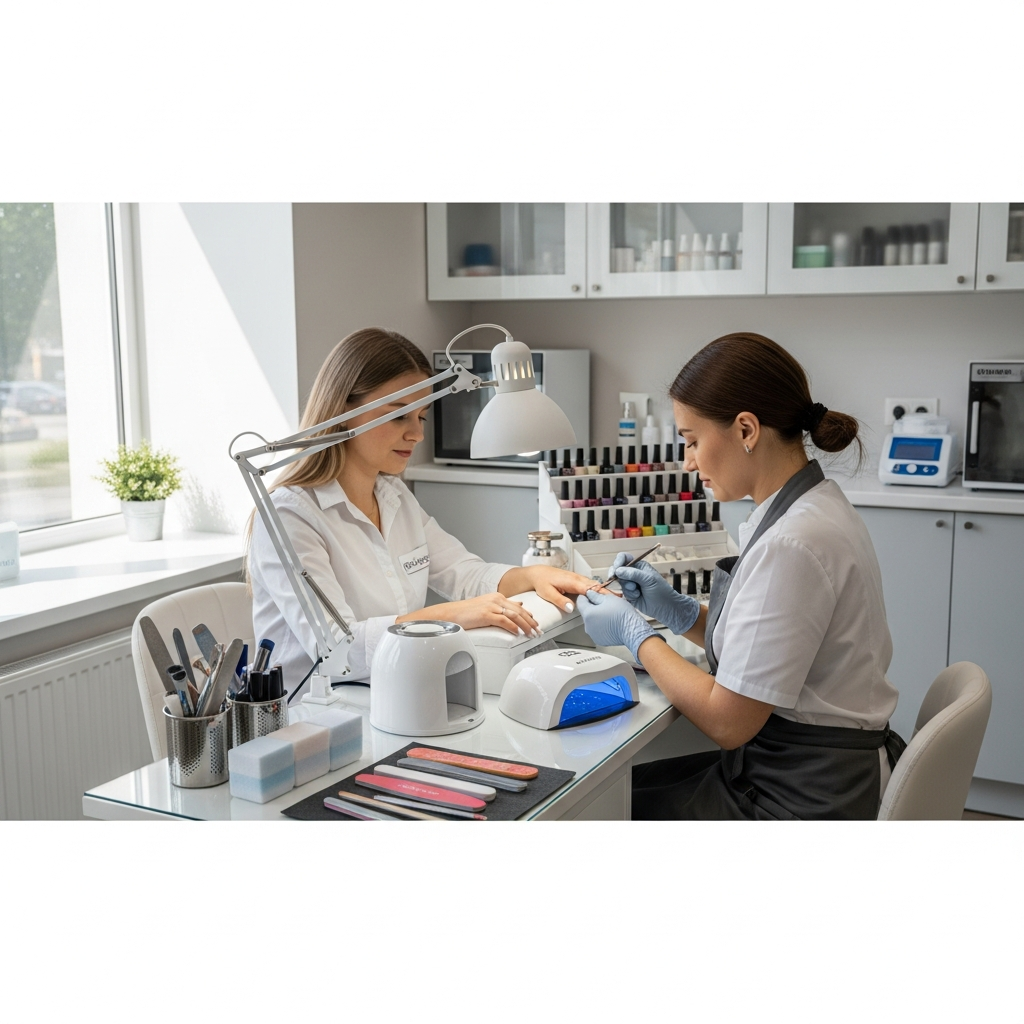
Investing in high-quality manicure tables and ergonomic pedicure thrones is vital for long-term durability. Quality furniture prevents the need for costly replacements during the critical first year of operation.
Proper ventilation systems are mandatory in the U.S. to comply with safety regulations and building codes. These systems protect the health of the nail technician and the client from chemical vapors.
Initial Inventory and Professional Tool Kits
Starting inventory should include a wide range of professional-grade gels, acrylics, and lacquer systems. Bulk purchasing base coats, top coats, and sanitizing solutions helps lower the cost per service.
Each nail station must be equipped with professional implements, including nippers, pushers, and high-quality e-files. Investing in professional tools ensures service consistency and minimizes technical errors for beginners.
Navigating Legal and Operational Requirements
State Board Compliance and Permits
Every nail salon must adhere to specific State Board of Cosmetology regulations regarding sanitation and layout. Failure to pass initial inspections can delay opening dates and drain startup capital.
Business owners must secure a general business license, a salon-specific permit, and professional liability insurance. These legal safeguards are essential for protecting the business from unforeseen operational risks.
Establishing Standard Operating Procedures
Creating a manual for nail service protocols ensures that every client receives the same level of care. Standardized cleaning and sterilization processes are necessary to meet U.S. health safety standards.
Financial Survival Strategies for Year One
Calculating and Reaching the Break-Even Point
New owners must track daily revenue against fixed expenses such as rent, utilities, and technician commissions. Knowing exactly how many services are needed to cover costs prevents financial shortfall.
Focus on high-margin services like structured gel or acrylic sets during the first few months. These services provide better returns on labor time compared to basic polish applications.
Controlling Overhead and Supply Waste
Monitoring the use of monomer, polymer, and gel products prevents unnecessary waste and lowers monthly expenses. Small reductions in product usage can significantly improve the monthly profit margin.
Beginner owners should avoid overstaffing during slow morning hours to keep labor costs manageable. Adjusting schedules based on booking data helps maintain a healthy payroll-to-revenue ratio.
Common Beginner Mistakes to Avoid
Overspending on Salon Aesthetics
Many new owners spend too much on interior decor while neglecting the quality of professional nail products. Prioritize functional equipment and high-performing chemicals over expensive decorative elements.
Underpricing Professional Services
Setting prices too low to attract customers can lead to a business that cannot cover its own taxes. Prices must reflect the technician’s skill level, product costs, and local market standards.
Neglecting the Emergency Fund
The first year often involves seasonal fluctuations in client bookings and unexpected equipment repairs. Maintaining a cash reserve ensures the nail salon remains operational during slow periods.
