Nail Salon SOPs for Service Consistency and Quality
Effective nail salon management relies on standardized operating procedures to maintain consistent service quality across all technicians. These nail protocols define specific steps for preparation, application, and finishing, ensuring that every client receives a uniform experience that meets professional industry standards while maximizing operational efficiency and reducing supply waste.
The Importance of Standardized Nail Service Workflows
Consistency is the foundation of a successful nail business. Without established SOPs, results vary significantly between staff members, which often leads to client dissatisfaction and unpredictable retention rates.
Standardized workflows ensure every nail technician follows the same sanitation, preparation, and application steps. This uniformity builds brand trust and allows the salon to guarantee a specific level of craftsmanship for every nail set.
Implementing clear procedures also simplifies the onboarding process for new hires. When expectations are documented, managers can quickly identify where a nail technician needs additional training to meet the salon’s performance benchmarks.
Core Components of Professional Nail SOPs
Client Consultation and Nail Health Assessment
Every appointment must begin with a thorough nail health assessment. Technicians should document the condition of the natural nail and surrounding skin before any chemical application or filing begins.
This step protects the salon from liability and ensures the technician selects the correct nail products for the client’s specific needs. Clear communication during this phase prevents misunderstandings regarding the final outcome.
Precision Prep and Application Standards
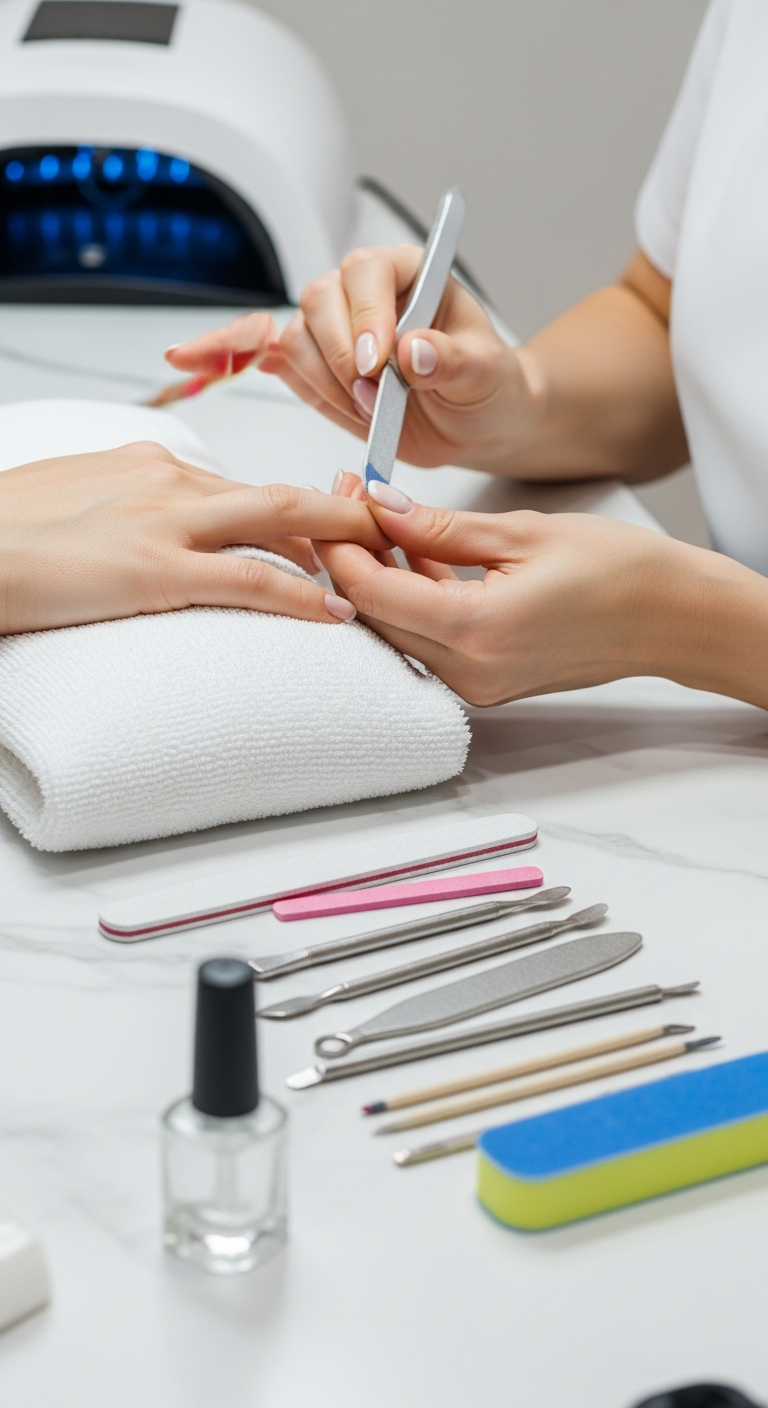
Define specific timing and techniques for cuticle work and nail plate dehydration. Standardizing the preparation phase is critical for preventing lifting and ensuring the longevity of the nail enhancement.
Establish guidelines for the exact amount of nail product used per service. Controlling product portions prevents inventory loss and keeps service times predictable across the entire staff roster.
Managing Daily Nail Salon Performance and Flow
Effective scheduling requires an intimate understanding of the exact duration of each nail service. SOPs help managers monitor if technicians are meeting time targets without sacrificing the integrity of the nail work.
Monitor the transition time between clients to ensure the nail station is properly disinfected and reset. A disciplined workflow prevents bottlenecks during peak hours and maintains a professional atmosphere for the clientele.
Regular performance audits based on these SOPs allow for objective feedback. By measuring a nail technician against established standards, owners can manage labor costs and service quality more effectively.
Revenue Tracking and Supply Cost Control
Link specific nail services to inventory usage rates to maintain profitability. By auditing product consumption against the total number of nail sets performed, owners can identify waste in the back bar.
Standardized procedures also apply to the checkout process and retail recommendations. Consistent nail aftercare advice ensures clients maintain their nails properly, reducing the frequency of unpaid repair appointments.
- Documented sanitation protocols for every nail station.
- Standardized timing for gel, acrylic, and natural nail services.
- Specific product measurement guidelines to control overhead.
- Mandatory nail health intake forms for every new client.
