Optimizing Daily Workflows for Professional Nail Salons
Professional nail salon management requires the coordination of technician schedules, service protocols, and inventory tracking to maintain operational efficiency. By implementing standardized nail workflows, owners ensure predictable revenue and high-quality results across all stations, regardless of which nail technician performs the service or the specific volume of daily appointments.
Establishing Standard Operating Procedures for Nail Services
Consistency is the foundation of a successful nail business. Every technician must follow the same technical steps for prep, application, and finishing to ensure the same result for every client.
Standardized nail service protocols reduce product waste and prevent service timing issues. When every staff member understands the specific time allocated for a fill or a full set, scheduling becomes more accurate.
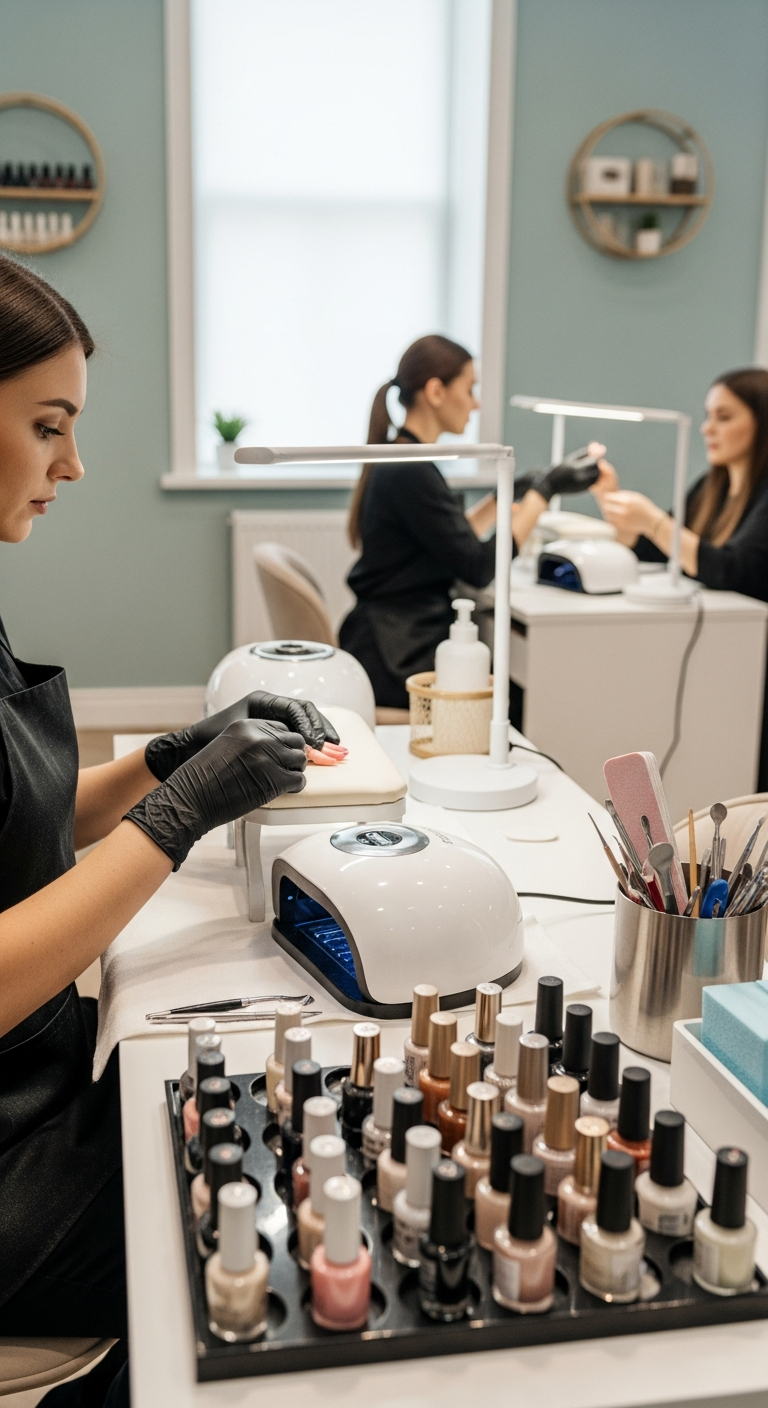
SOPs should include clear instructions on station setup between clients. A clean nail station and organized implements allow for faster transitions and maintain a professional environment during peak hours.
Managing Nail Technician Scheduling and Performance
Effective scheduling balances technician availability with client demand to maximize the salon’s daily revenue. Owners must monitor peak hours to ensure the right number of nail professionals are on the floor.
Performance tracking should focus on service completion times and client retention rates. Monitoring these metrics helps identify which nail technicians need additional training on specific technical workflows.
Implementing a clear check-in and check-out system for staff ensures accountability. Reliable attendance is critical in a nail salon to prevent appointment delays and maintain a smooth workflow for the entire team.
Consistency in Daily Nail Salon Workflows
A successful nail salon operates on a strict rhythm from opening to closing. Daily checklists ensure that sanitation logs are updated and back-bar supplies are replenished before the first client arrives.
The morning workflow should include checking the appointment book for complex nail services that require specific setup. Preparing for intricate nail art or lengthy enhancement removals prevents mid-day bottlenecks.
End-of-day procedures are equally vital for operational health. Cleaning the nail dust extraction systems and disinfecting all pedicure basins ensures the facility meets health department standards every single day.
Revenue Tracking and Cost Management
Nail salon owners must track daily revenue against labor costs and supply expenses. Monitoring the cost of professional nail liquids, powders, and gels prevents overspending on back-bar inventory.
Waste management is a significant factor in nail salon profitability. Technicians should be trained to use the precise amount of nail product required for each service to avoid shrinking profit margins.
Regular audits of service tickets help identify discrepancies between the services performed and the payments collected. Accurate nail service logging is essential for calculating fair technician commissions and total daily intake.
Improving Internal Communication
Clear communication between the front desk and the nail technicians prevents service overlaps. Use a centralized system to communicate changes in client requests or technical delays in real-time.
Weekly staff meetings allow the team to discuss operational hurdles and refine nail service techniques. Open feedback loops help resolve internal conflicts before they impact the client experience or salon culture.
