Optimizing Nail Salon Service Consistency through SOPs
Effective nail salon operations rely on standard operating procedures to ensure consistent service quality across all technicians. A nail salon SOP outlines specific protocols for sanitation, technical execution, and client management to stabilize revenue and maintain professional standards within a high-volume United States service environment.
The Role of Workflow in Nail Salon Management
Consistent workflows are the foundation of a profitable nail business.
When every technician follows the same operational sequence, the salon avoids service delays.
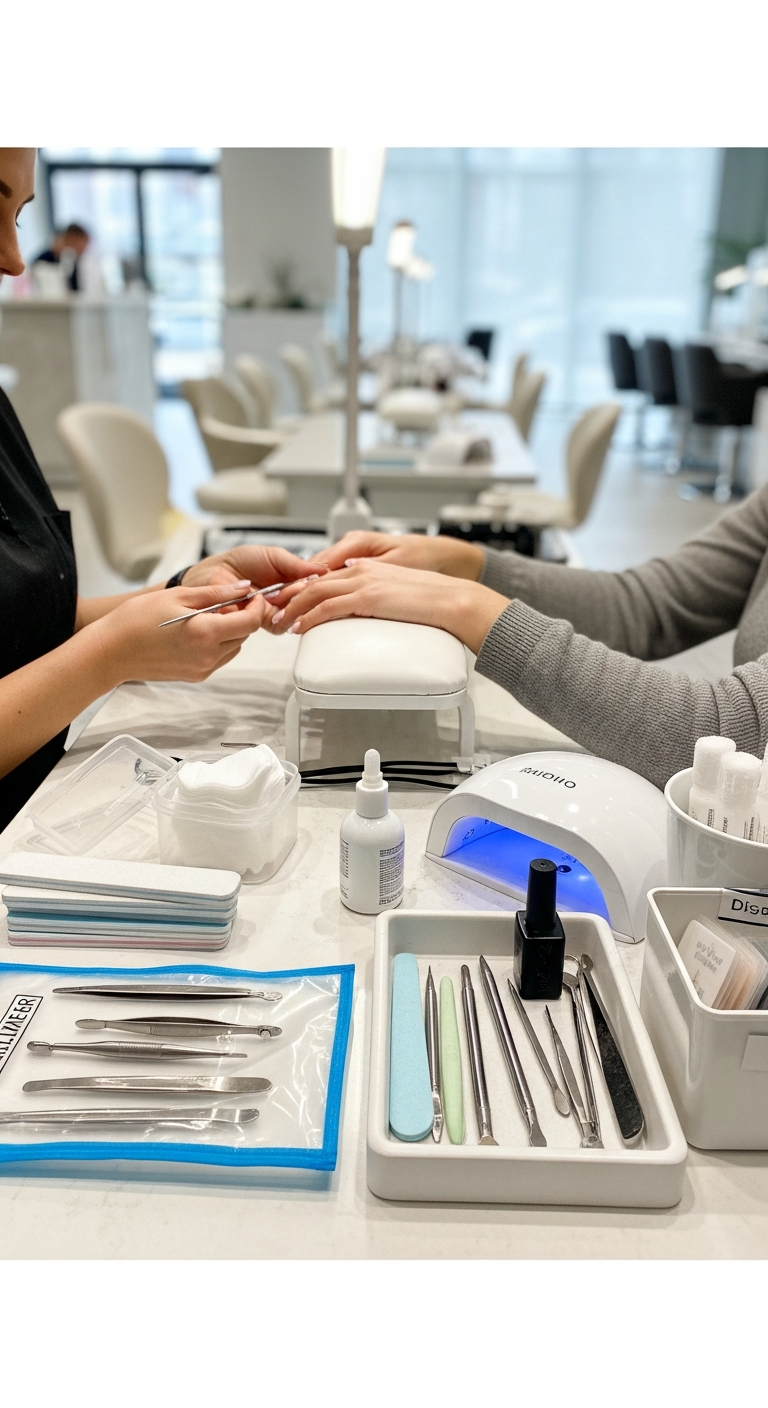
Standardized table setups reduce the time spent searching for essential implements.
Proper staging ensures that technicians remain on schedule throughout the day.
This predictability allows management to maximize the daily appointment book.
Efficient movement between the reception area and the nail station improves the client experience.
Implementing Service Standards for Nail Technicians
Standardizing Technical Execution
Management must define specific steps for nail preparation and product application.
This ensures every client receives the same quality regardless of the assigned technician.
Uniformity protects the salon reputation and minimizes the need for no-charge repairs.
- Use specific grit files for every natural nail service.
- Enforce strict liquid-to-powder ratios for acrylic applications.
- Maintain set timers for all UV and LED curing cycles.
Maintaining Sanitation Protocols
Professional nail salon operations require strict adherence to state board regulations.
Establishing a clear cleaning schedule for foot basins and workstations is mandatory.
This protects the business from liability and ensures a safe environment for staff.
Managing Operational Costs and Product Waste
Excessive product usage significantly impacts nail salon profit margins.
Technicians must be trained to follow measured dispensing protocols for monomers and gels.
Over-pouring liquids or wasting color coats leads to unnecessary overhead costs.
Managers should track inventory weekly to identify high-waste areas or shrinkage.
Setting consumption benchmarks for each service type helps control chemical costs.
Effective inventory management ensures the salon is always stocked for high-demand periods.
U.S. Labor Regulations and Staff Scheduling
Compliance with federal and state labor laws is essential for nail salon owners.
Schedules must be designed to respect rest periods while meeting peak demand.
Properly classified technicians contribute to a stable and legal workplace environment.
Scheduling should be based on historical performance data and peak service hours.
Adjusting staffing levels according to seasonal demand prevents overstaffing during slow periods.
Transparent communication regarding shift expectations reduces staff turnover and operational friction.
Monitoring Revenue and Service Performance
Tracking daily revenue by technician allows management to identify top performers.
Consistent auditing of service tickets ensures that all add-ons are properly billed.
Accurate record-keeping is the only way to measure the success of operational changes.
Internal performance reviews should focus on technical speed and service accuracy.
Providing feedback based on established SOPs keeps the team aligned with salon goals.
Professional management leads to a disciplined environment where nail technicians can excel.
