How to Open a Nail Salon and Survive the First Year
Opening a nail salon requires securing a specialized facility, obtaining state board licensure, and managing initial overhead costs. Survival depends on reaching the break-even point where monthly nail service revenue covers fixed expenses like rent and technician commissions. Success in the first year hinges on strict cost control and consistent client retention strategies.
Essential Legal and Safety Requirements
Every new nail salon must comply with specific U.S. state board regulations. This includes obtaining a salon facility license and ensuring all technicians hold active individual licenses.
Proper ventilation is a mandatory safety requirement to manage chemical vapors and dust. You must also establish strict sanitation protocols using hospital-grade disinfectants and autoclaves for metal implements.
Zoning and Building Permits
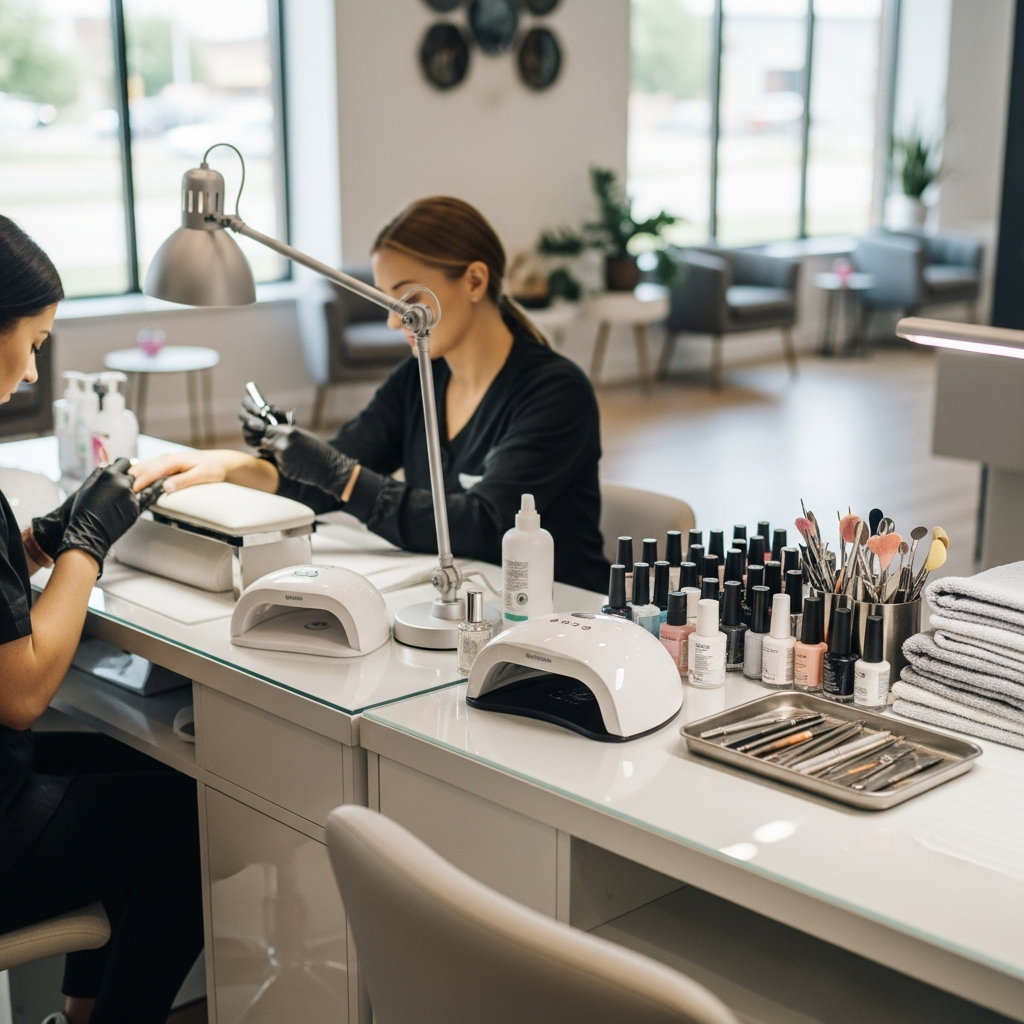
Before signing a lease, verify that the location is zoned for personal services. You may need specific plumbing permits for pedicure thrones and specialized electrical outlets for professional nail lamps.
Managing First-Year Nail Salon Financials
The first twelve months of operation are the most difficult for new owners. Most nail businesses fail due to poor cash flow management and high initial overhead expenses.
Track every dollar spent on backbar supplies like monomer, polymer, and gel polishes. Minimizing waste in the first year is critical for maintaining your profit margins on every service.
Calculating Startup Costs
- Professional nail furniture and manicure stations
- Initial inventory of professional-grade chemicals
- State and local licensing fees
- First and last month rent plus security deposits
Navigating the Break-Even Phase
The break-even point occurs when your total nail service revenue equals your total operating expenses. Most salons aim to reach this milestone within the first six to nine months.
Focus on high-margin services like structured manicures or full sets to increase the average ticket price. Keeping technician labor costs balanced with actual client volume prevents financial drain during slow periods.
Controlling Inventory and Waste
Overstocking colors and decorations is a common mistake for new owners. Limit your initial inventory to essential core colors and products to keep capital liquid for emergencies.
Standardizing the amount of product used per service ensures predictable costs. This consistency allows you to accurately price your nail services for long-term profitability and growth.
