Financial Planning for a New Nail Salon Startup
A nail salon startup requires careful financial planning to cover initial lease deposits, professional equipment, high-quality inventory, and licensing fees. Success depends on maintaining enough working capital to cover operational expenses during the first six months before the business reaches its break-even point in the competitive professional beauty industry.
Estimating Your Initial Nail Salon Investment
The cost of opening a new facility varies significantly based on your U.S. location and the size of the space. You must account for the security deposit and the initial build-out of the service floor.
Plumbing is often the most expensive part of a startup. Each pedicure station requires dedicated water lines and drainage that meet local building codes and sanitation standards.
Ventilation systems are mandatory in many states to manage chemical fumes and dust. Installing a professional-grade exhaust system ensures a safe environment for both technicians and clients.
Essential Nail Station Equipment
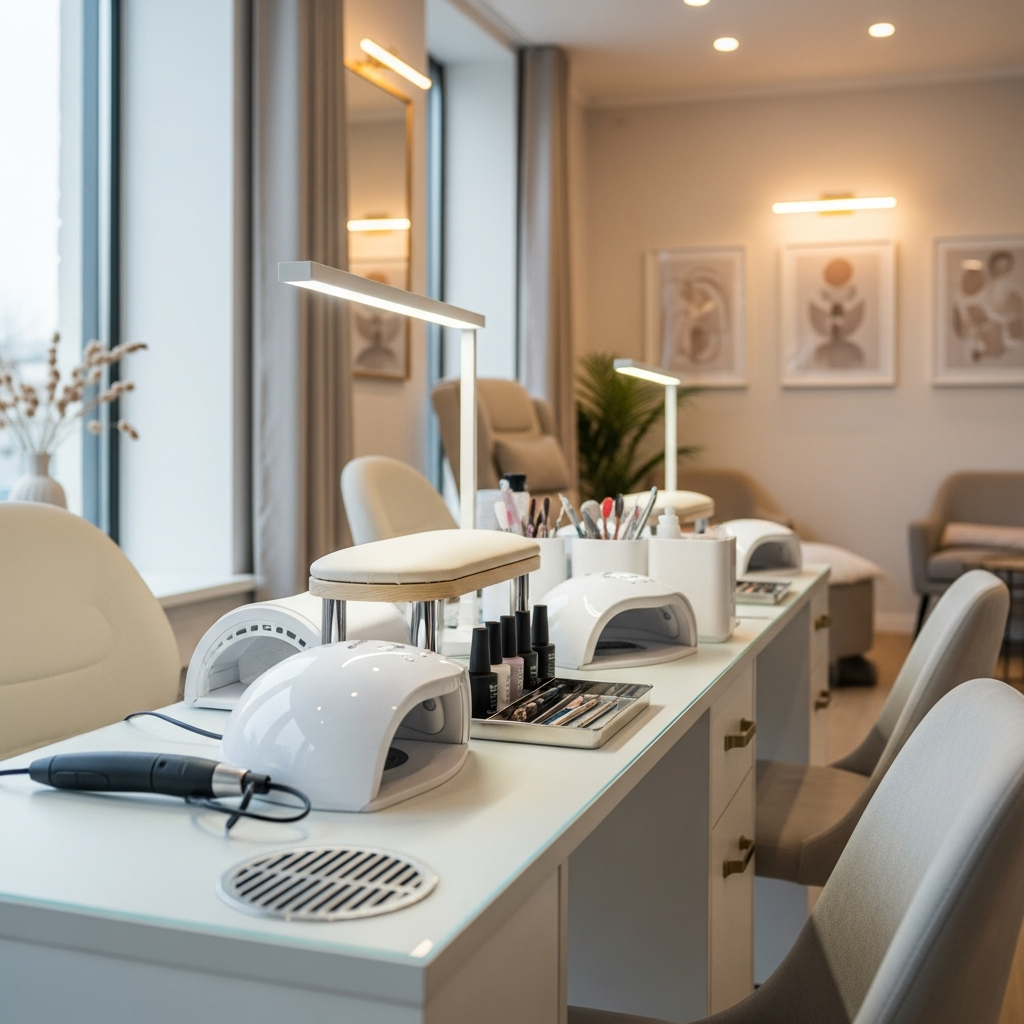
Professional manicure tables should include built-in dust collectors and ergonomic seating for the technician. Investing in high-quality furniture reduces the risk of repetitive strain injuries early in your career.
Pedicure chairs range from basic portable units to plumbed-in throne chairs with massage functions. Choose durable models that are easy to disinfect according to your state board requirements.
LED lamps and electric files are critical tools for modern service delivery. Purchase professional-grade units that come with warranties to avoid unexpected replacement costs during your first year.
First-Year Survival and Cash Flow Management
Many new owners fail because they do not have enough cash reserves to cover slow months. You should have at least six months of operating expenses saved before opening your doors.
Track every dollar spent on back-bar supplies like monomer, polymer, and gel polishes. Small leaks in your budget can quickly turn into significant financial losses over time.
Maintain a strict inventory log to prevent over-ordering. Keeping too much stock on your shelves ties up capital that you may need for emergency repairs or rent.
Regulatory Compliance and Insurance
Securing a business license and a salon establishment license is the first step toward legal operation. Check with your local city hall and the state board of cosmetology for specific fees.
General liability insurance is a non-negotiable expense for any salon owner. This protects your business from financial ruin in the event of accidents or client injuries on your premises.
Professional liability insurance specifically covers the services provided by your technicians. It is a vital safety net for handling claims related to infections or service mishaps.
Avoiding Common Beginner Financial Mistakes
Avoid overspending on luxury decor before you have an established client base. Focus your initial budget on high-quality tools and products that directly impact the quality of your work.
Do not skip the process of creating a detailed business plan. A realistic budget helps you identify the exact number of services needed each day to cover your daily overhead.
Resist the urge to discount your services too deeply to attract clients. Pricing your services too low makes it difficult to cover the high cost of professional-grade chemicals and supplies.
- Calculate fixed costs like rent and insurance first.
- Monitor variable costs such as disposable files and buffers.
- Set aside a percentage of every service for future tax obligations.
- Keep professional and personal finances strictly separated.
