Starting a Nail Salon: First-Year Survival Guide
A nail salon startup involves securing a location, obtaining professional licenses, and purchasing specialized equipment like ventilation systems and manicuring tables. First-year survival depends on controlling operational costs and ensuring compliance with state health and safety regulations. Proper financial planning helps new owners reach a break-even point quickly in the competitive U.S. market.
Navigating Initial Licensing and Legal Setup
Every nail salon must adhere to strict state-level requirements to operate legally.
This includes obtaining a salon establishment license and ensuring all technicians hold current certifications.
Failure to meet these standards can result in heavy fines that threaten early business survival.
State Board Compliance and Building Permits
The state board of cosmetology sets the health and safety standards for every nail facility.
New owners must pass a rigorous inspection before the doors can officially open to the public.
Checking local zoning laws is also necessary to ensure the building is approved for nail services.
Calculating Nail Salon Startup and Operating Costs
Initial expenses often include professional furniture, high-quality products, and lease deposits.
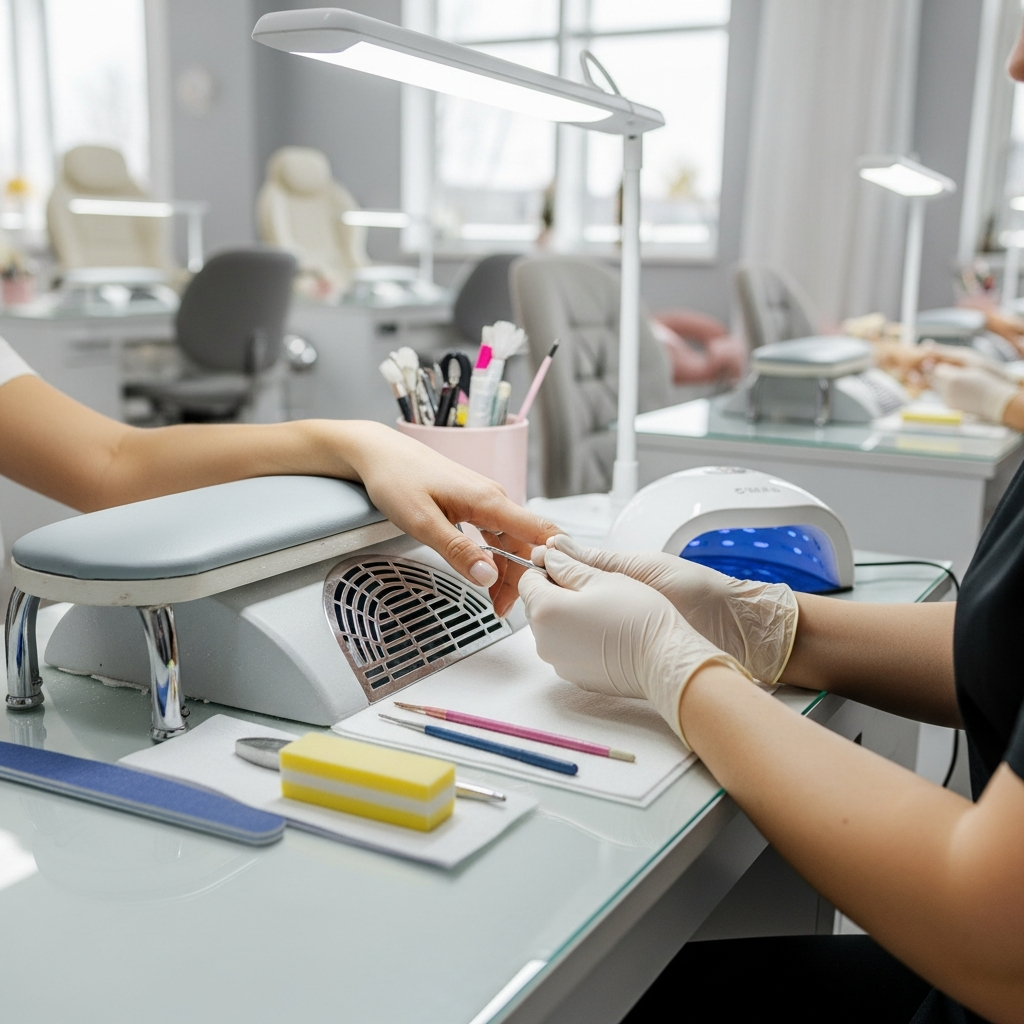
New owners should focus on purchasing ergonomic nail tables and durable pedicure thrones.
Setting aside a cash reserve for the first six months of rent is a vital survival strategy.
Equipment and Essential Inventory
Professional ventilation systems are a mandatory investment for a safe nail environment.
These systems remove dust and chemical vapors to protect the health of staff and clients.
Beginners should focus on essential inventory like monomer, polymer, and gel systems rather than excess decor.
Managing Cash Flow During the First Year
The first year is the most challenging period for any new nail business owner.
Success requires a deep understanding of the daily costs associated with performing nail services.
Tracking every dollar spent on supplies prevents the common mistake of overspending on non-essentials.
Reaching the Break-Even Point
The break-even point occurs when salon revenue finally covers all monthly operational expenses.
To reach this, owners must calculate the exact cost per service, including labor and nail products.
Maintaining a high standard of service helps build the repeat clientele necessary for financial stability.
Avoiding Common Beginner Business Mistakes
Many new nail salon owners struggle because of inadequate financial planning and poor cost control.
Underestimating the cost of utilities and specialized insurance can lead to a significant budget deficit.
Staying focused on core nail techniques ensures the business builds a reputation for professional quality.
- Strict Budgeting: Monitor all nail supply purchases and overhead costs weekly.
- Legal Protection: Ensure all liability insurance policies specifically cover nail services.
- Sanitation Standards: Implement a daily cleaning checklist to exceed state board requirements.
Focusing on Core Competencies
Attempting to offer too many complex services early on can drain precious resources.
A new salon should master basic nail enhancements and natural nail care before expanding.
This focus ensures consistent quality and keeps the business lean during the critical first year.
