Nail Salon Startup: Surviving Your First Year
Nail businesses must prioritize financial liquidity and operational efficiency to survive the challenging first year of professional service. Successful startup management involves securing a compliant location, purchasing professional-grade supplies, and adhering to state board regulations. Controlling overhead costs like rent and inventory is essential for reaching the break-even point in a new market.
Establishing Your Nail Salon Foundation
Opening a professional nail facility requires more than just technical skill.
You must navigate local zoning laws and secure a commercial lease that allows for
proper ventilation systems required by modern building codes.
Obtaining your establishment license from the state board is the
first critical step. This ensures your workspace meets the specific
sanitation requirements necessary to protect the public and your staff.
Initial Equipment and Professional Setup
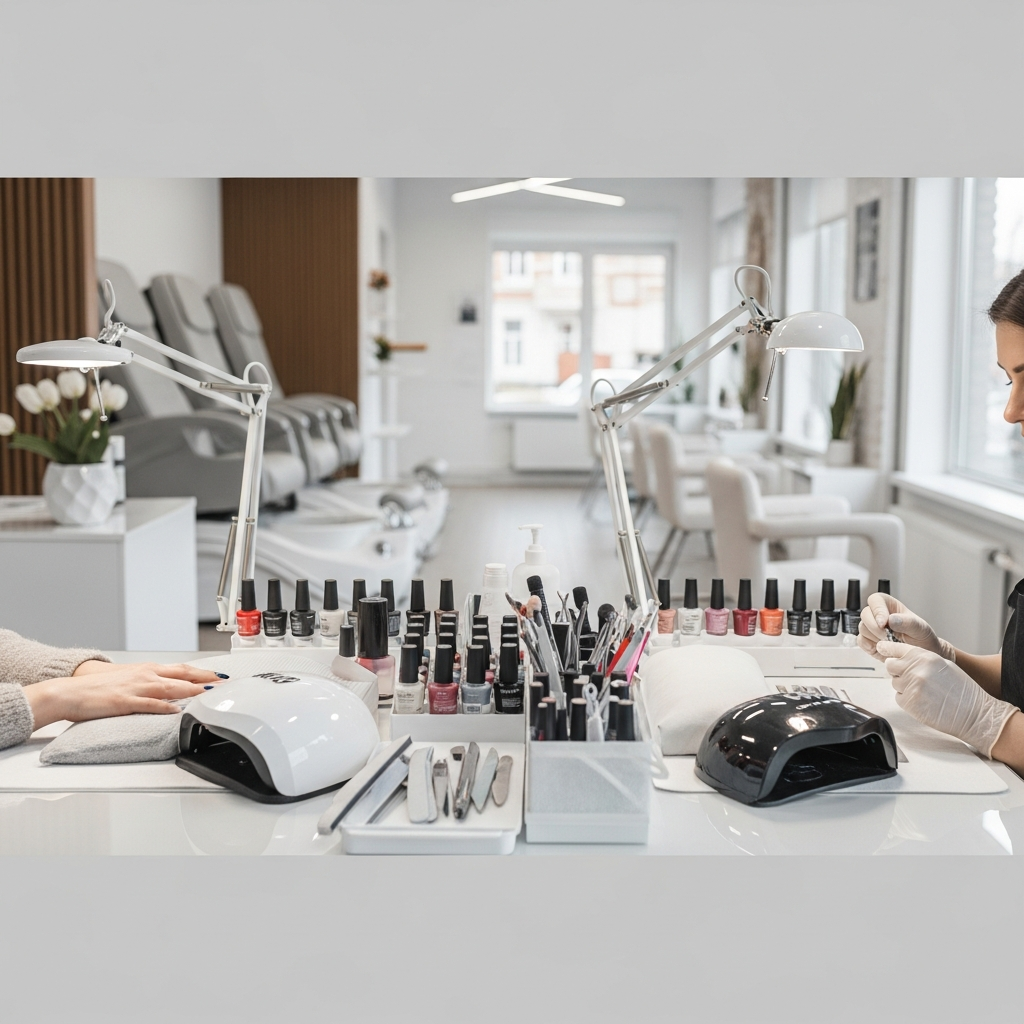
Invest in high-quality manicure tables and ergonomic technician seating
to prevent long-term physical strain. Professional pedicure chairs must
feature pipe-less technology or strictly follow state cleaning protocols.
Your drying stations and curing lamps should be industry-standard
to ensure the longevity of the services provided. Using mismatched
equipment often leads to service failure and loss of early clients.
Managing First-Year Financial Challenges
The first twelve months of a nail business are typically the
most difficult for cash flow. You must account for fixed costs
like rent and insurance regardless of your daily client count.
Variable costs such as professional lacquers, monomers, and
disposables must be tracked meticulously. Every ounce of product
used contributes directly to your profit margins or your losses.
Calculating Your Break-Even Point
Determine exactly how many manicure or pedicure services
must be performed daily to cover your total operating expenses.
This number helps you set realistic goals for your technicians.
Include the cost of professional liability insurance and
annual permit renewals in your calculations. Forgetting these
periodical expenses can lead to a sudden financial crisis.
Avoiding Common Beginner Business Mistakes
Many new owners overspend on decorative elements while
neglecting the quality of their professional back-bar supplies.
Clients return for the durability of their nails, not the decor.
Avoid stocking too many different brands of gel or acrylic systems
in the beginning. Focusing on one high-quality professional line
reduces waste and simplifies the training process for new staff.
Strategic Professional Inventory Control
Inventory management is the difference between profit and
loss in a small nail salon environment. Implement a strict
tracking system for every file, buffer, and bottle of polish.
Ordering in bulk can save money, but only for items
with high turnover like towels and disinfection solutions.
Avoid tying up capital in trendy colors that may not sell.
Building a Sustainable Client Base
Focus on retention rather than just acquisition during
your first six months. A loyal client provides the consistent
revenue needed to pay the salon’s monthly utility bills.
Consistent service timing and quality are the most
effective ways to build a reputation. Ensure every nail
technician follows the same professional service protocols.
