Opening a Nail Salon: First-Year Survival Guide
Opening a nail salon involves obtaining state board licensure, securing a compliant space, and managing initial equipment costs. To survive the first year, owners must prioritize break-even analysis, inventory control, and client retention. Success depends on balancing startup debt with professional service execution and strict adherence to industry sanitation standards.
Secure Legal Compliance and Permits
Every nail salon must meet specific state board of cosmetology requirements before opening.
You must obtain a salon facility license and ensure all technicians hold active individual licenses.
Health department permits and building inspections are mandatory to ensure public safety.
Failing to follow local zoning laws can result in immediate closure of your business.
Always display your professional licenses in a visible area as required by U.S. law.
Compliance protects your investment and builds trust with your first-year clients.
Calculating Your Nail Salon Startup Budget
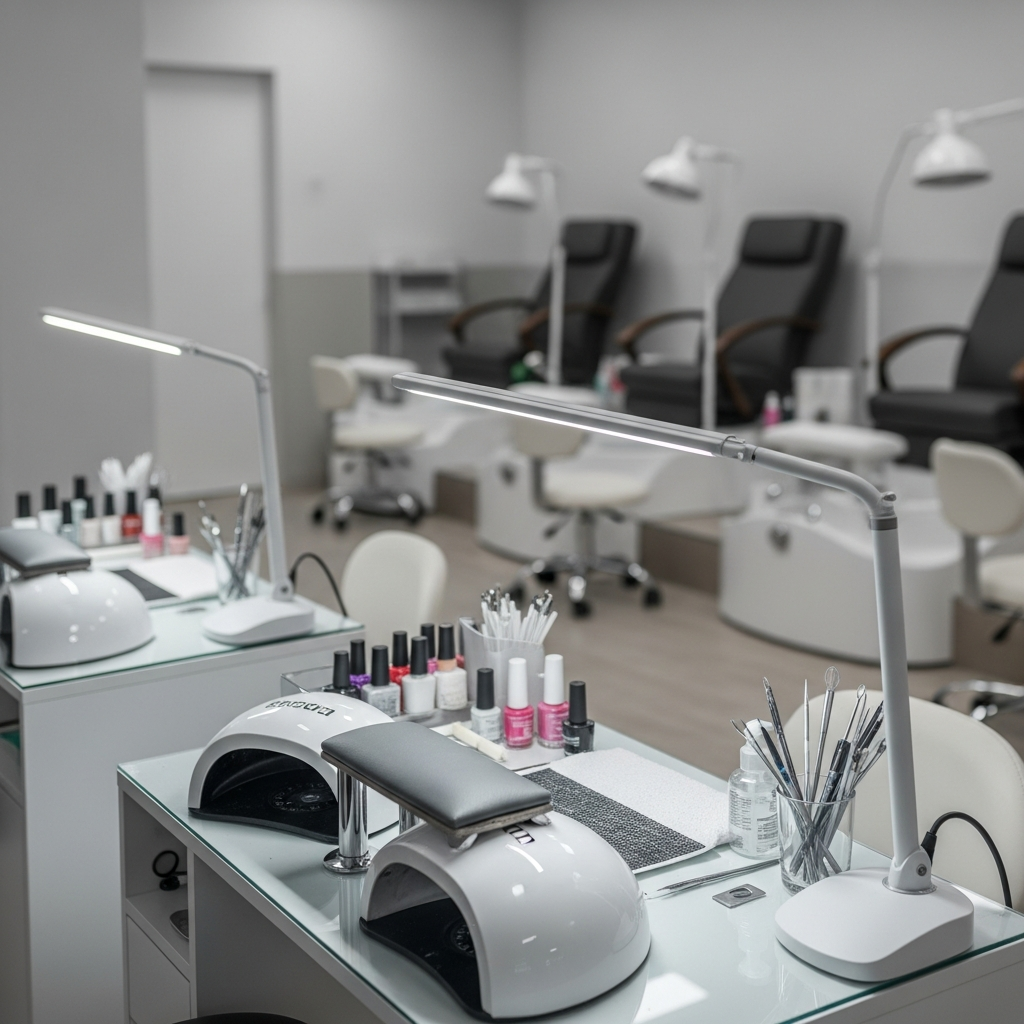
Initial costs often include pedicure thrones, manicure stations, and professional ventilation systems.
Proper ventilation is essential to manage dust and chemical vapors in the salon environment.
High-quality equipment reduces the need for expensive repairs during your critical first year.
Initial Supply and Equipment Investment
Stocking a full range of professional nail lacquers, gels, and enhancement products is expensive.
Focus on a core color palette and essential supplies to keep your initial overhead manageable.
Prioritize professional-grade LED lamps and e-files to ensure service efficiency and durability.
Financial Break-Even and Cash Flow Management
First-year survival depends on understanding your daily break-even point for each station.
Calculate the cost of consumables, rent, and utilities against the price of your nail services.
Keeping a cash reserve for slow months prevents common startup bankruptcy scenarios.
Managing Professional Product Costs
Track your back-bar usage to prevent the waste of monomers, polymers, and gel products.
Excessive product usage by technicians can quickly erode your thin profit margins.
Implement strict inventory controls to ensure you only order what is necessary for operations.
Essential Survival Strategies for New Owners
Many new owners overspend on luxury salon decor instead of investing in technician skills.
Focus on providing high-quality, long-lasting nail enhancements to encourage repeat bookings.
Client retention is more cost-effective than constant new client acquisition in the first year.
Maintain a rigorous cleaning schedule to meet and exceed state sanitation standards.
A clean and professional environment is the most effective way to build a local reputation.
Avoid taking on excessive debt for non-essential upgrades until your salon is profitable.
Common Beginner Business Mistakes
One common mistake is failing to account for employer taxes and insurance premiums.
Ensure your service pricing reflects the true cost of labor and professional supplies.
Underpricing services to compete with established salons often leads to financial instability.
Keep your personal and business finances strictly separated from the first day of operation.
This practice simplifies tax filing and provides a clear picture of your salon’s health.
Professionalism in financial management is just as important as technical nail skill.
