
Nail Salon Startup: First-Year Survival and Cost Control
Opening a nail salon requires securing a commercial lease, obtaining state board licensure, and managing initial overhead costs. Successful nail business survival relies on a focus on break-even analysis and strict inventory control during the first twelve months of operation to ensure the salon remains financially viable while building a stable client base.
Estimating Initial Startup Costs
The first step in opening a nail business is calculating the total investment needed for a professional build-out.
This includes plumbing for pedicure thrones, electrical wiring for nail stations, and specialized ventilation systems.
Properly estimating these costs prevents the salon from running out of capital before the doors even open.
Securing the Right Commercial Space
Location is a primary factor in fixed monthly expenses for any new nail business.
Negotiating a lease with a tenant improvement allowance can help cover the cost of flooring and plumbing.
Ensure the space allows for the chemical storage and ventilation required by local building codes.
Professional Equipment and Furniture
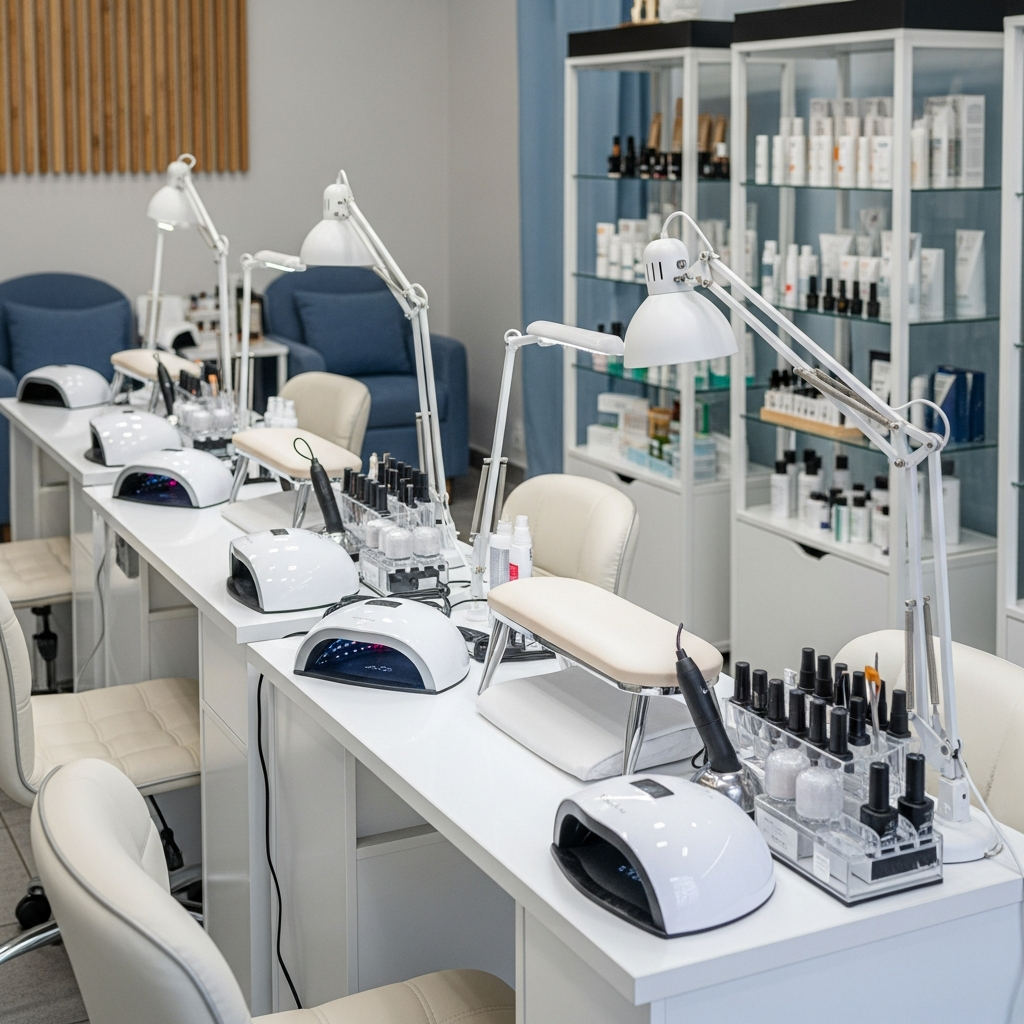
Investing in durable nail tables and ergonomic seating is essential for long-term operational success.
High-quality LED lamps and electric files are critical tools that require upfront capital but reduce downtime.
Prioritize equipment that meets sanitation standards and is easy to disinfect between every client.
Navigating Regulatory and Legal Basics
Compliance with U.S. state board regulations is non-negotiable for salon survival and legal operation.
Each state has specific requirements for technician ratios, square footage, and chemical safety data sheets.
Failure to meet these standards can result in heavy fines or immediate closure during the first year.
Licensure and Salon Permits
A nail salon must hold a valid establishment license issued by the state board of cosmetology.
You will also need a general business license from your city and a tax identification number.
Proper insurance coverage, including general liability and professional liability, is necessary to protect the business.
First-Year Financial Survival Strategies
The first twelve months are the most volatile period for any new nail industry entrepreneur.
Maintaining a lean budget and monitoring the daily break-even point helps ensure the business stays afloat.
Focus on service consistency to build the repeat clientele needed for stable revenue.
Managing Inventory and Supply Waste
Strict control over professional nail products like monomer, polymer, and gel polish is vital.
Overstocking inventory ties up cash flow that could be used for rent or utilities.
Implement a tracking system to monitor product usage and prevent waste at the technician stations.
Staffing and Labor Costs
Labor is typically the largest expense in a nail salon, whether using a commission or hourly model.
Many new owners start as a working technician to minimize payroll during the initial months.
Hiring should be done slowly and only when the current schedule is consistently at high capacity.
Common Beginner Mistakes to Avoid
Many new owners fail by overspending on interior aesthetics instead of functional nail equipment.
Beautiful decor does not compensate for poor ventilation or low-quality service execution.
Ensure the budget prioritizes hygiene, technician comfort, and high-quality chemical products.
- Underestimating utility costs: High-powered dryers and pedicure heaters increase monthly bills.
- Ignoring cash reserves: Always maintain three to six months of operating expenses in the bank.
- Poor service pricing: Set prices based on local market rates and the cost of professional materials.
Focusing on Retention Over Promotion
While attracting new clients is important, retaining them is cheaper and more sustainable.
Excellent nail prep and application techniques ensure clients return every two to three weeks.
A loyal client base provides the predictable income necessary for long-term salon survival.
