Opening a Nail Salon: First-Year Survival Guide
Opening a nail salon requires a strategic focus on initial overhead costs, state licensing compliance, and cash flow management to survive the first twelve months. Successful nail business owners prioritize controlled inventory spending and localized client acquisition strategies to ensure the salon reaches its break-even point before startup capital is depleted.
Essential Startup Costs for a New Nail Salon
A nail salon startup must account for lease deposits, specialized ventilation equipment, and professional-grade furniture. Most new owners underestimate the time it takes to build a consistent clientele while paying fixed overhead.
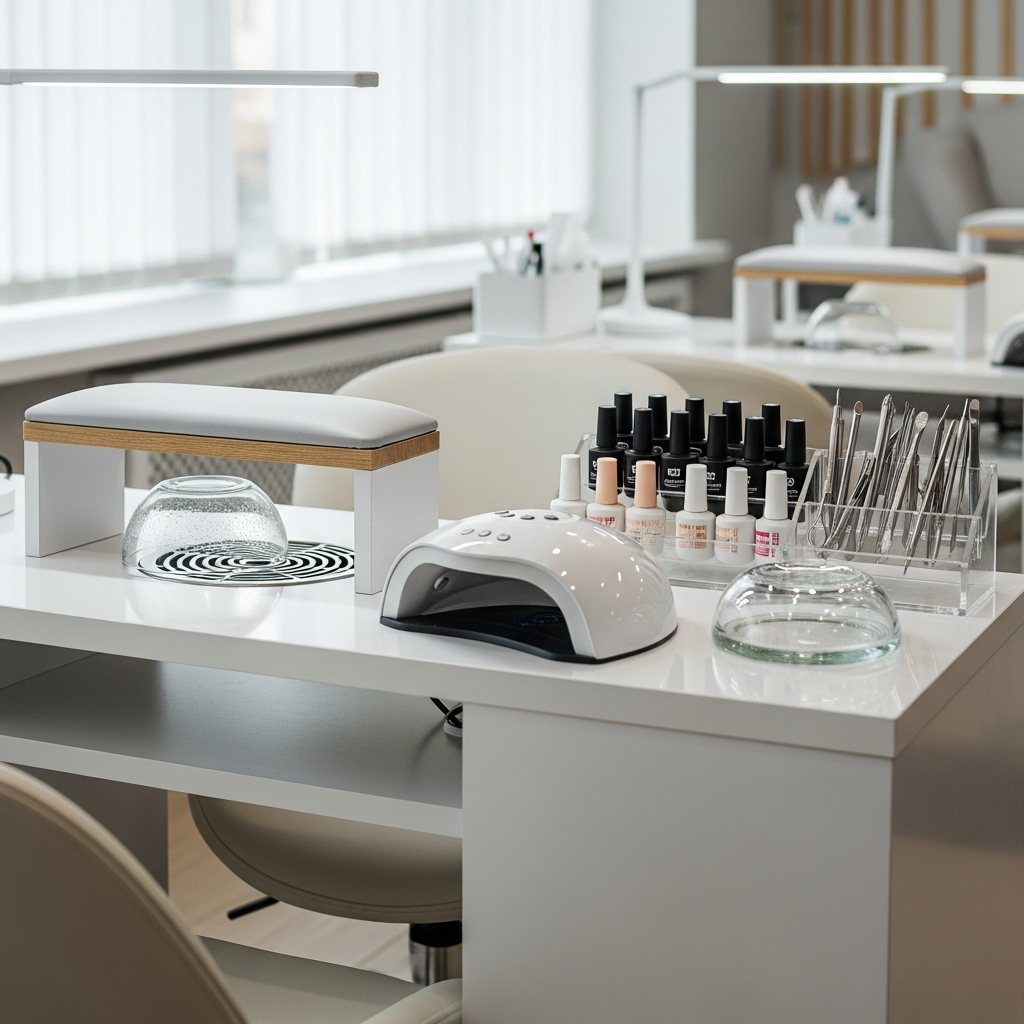
Focus your budget on high-quality manicure tables and pedicure thrones that meet local ergonomics and plumbing codes. Proper ventilation is not just a comfort feature; it is a legal requirement in many U.S. states to manage chemical vapors.
Avoid over-investing in luxury decor during your first six months. Redirect those funds toward a cash reserve that can cover at least three months of operating expenses during the initial slow period.
Managing Nail Inventory and Supply Costs
Inventory management is a critical factor in nail industry survival. Buying excessive colors or multiple brands of acrylic systems can trap your liquid capital in products that sit on the shelf.
Start with a core selection of popular gel polish shades and essential monomer and polymer systems. Monitor your usage rates weekly to determine exactly how much product is used per service to prevent waste.
- Limit initial stock: Only purchase what you need for the first 30 days.
- Track consumption: Measure product use to calculate your exact cost per service.
- Vendor relationships: Seek professional nail distributors that offer reliable shipping and bulk discounts on disposables.
Navigating U.S. State Board and Legal Requirements
Failure to comply with state board regulations can lead to heavy fines or immediate closure. Every nail technician must have an active license, and the facility must meet specific sanitation standards.
Keep a dedicated file for Safety Data Sheets (SDS) for every chemical used in the salon. This is a mandatory requirement for OSHA compliance and ensures the safety of both your staff and your clients.
Sanitation and Safety Protocols
Establish a strict workflow for cleaning, disinfecting, and sterilizing tools between every appointment. Use hospital-grade disinfectants as required by your specific state board of cosmetology.
Documenting your cleaning schedule provides a legal paper trail in case of inspections. This practice also builds trust with new clients who are observant of hygiene standards in a nail environment.
Reaching the Break-Even Point in Year One
To survive the first year, you must understand your break-even point. This is the exact number of manicures, pedicures, or nail enhancements you must perform daily to cover your total costs.
Analyze your service menu to ensure your pricing reflects the cost of professional products and labor. Underpricing services to attract clients often leads to financial exhaustion and prevents the business from growing.
Focus on client retention rather than just new acquisition. A returning nail client provides the stable revenue needed to transition from a struggling startup to a profitable professional nail salon.
