Essential First-Year Survival Guide for a New Nail Salon
Opening a nail salon involves navigating the critical first-year survival phase by managing overhead, securing state board permits, and reaching a break-even point. Success relies on accurate service pricing, strict inventory management of professional products, and maintaining rigorous sanitation standards to build a sustainable professional business foundation.
Controlling Startup Costs and Initial Investment
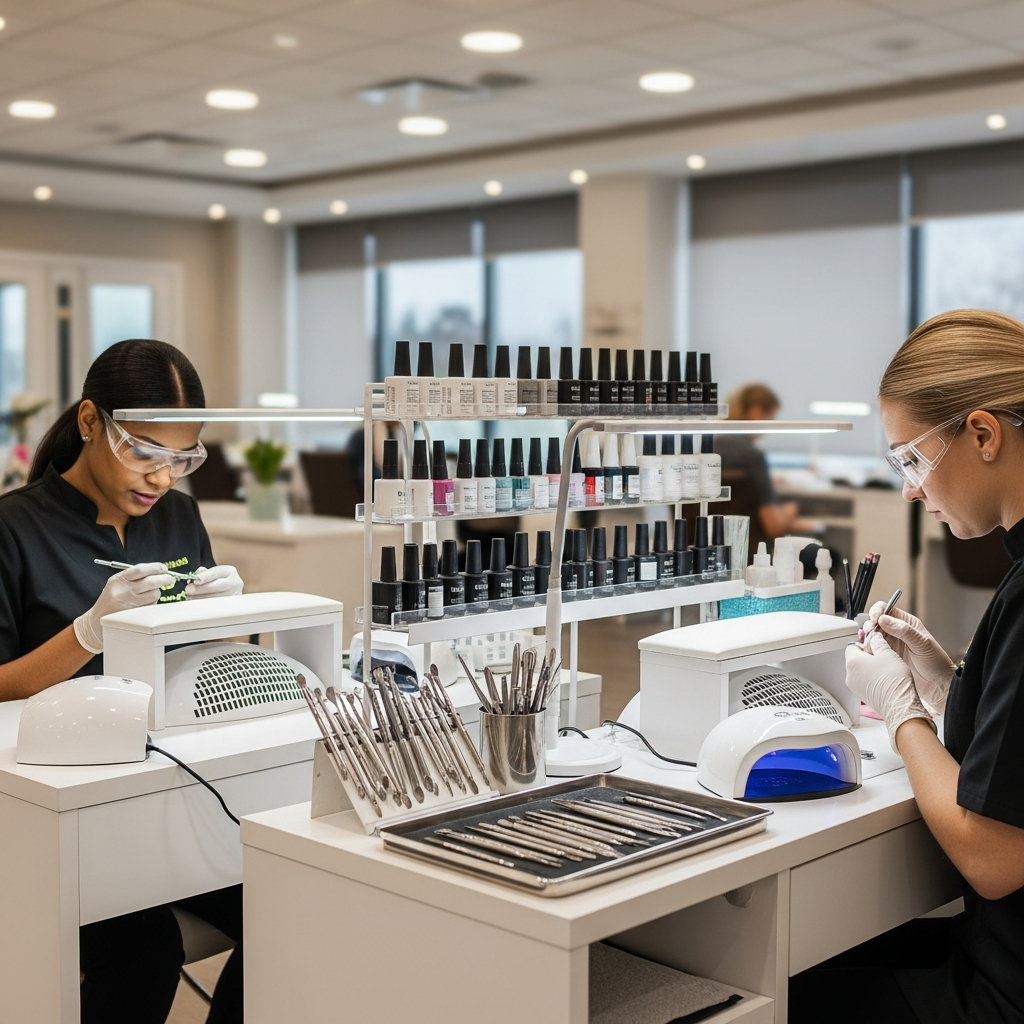
Successful nail salon owners begin by distinguishing between essential equipment and aesthetic upgrades. High-quality ventilation systems and ergonomic nail technician chairs are critical for long-term health and productivity.
Avoid overspending on massive color collections initially. Start with a core range of popular gel and lacquer shades that match local market demand to preserve your cash flow.
Essential Supply Management
- Professional Workstations: Durable tables with integrated dust collection.
- Sanitation Equipment: Medical-grade autoclaves or EPA-registered disinfectants.
- Core Inventory: Reliable monomers, polymers, and gel systems for daily use.
Navigating U.S. Licensing and Legal Compliance
Every nail business must comply with specific state board regulations regarding safety and layout. Failing an initial inspection can delay your opening and drain your remaining capital.
Ensure every nail technician on staff holds a valid state license. Maintaining a public file of these credentials is a standard requirement for professional operations in most jurisdictions.
Building a Safety-First Culture
Establish strict sanitation protocols from day one to protect your clients and your business reputation. Proper disinfection of nail implements is the foundation of a professional reputation.
Calculating Your Nail Salon Break-Even Point
A nail salon reaches break-even when service revenue covers all fixed and variable costs. You must track the cost of goods sold for every manicure and pedicure service provided.
Monitor your “per-chair” revenue daily to identify if your pricing covers labor, rent, and supplies. Adjusting your service menu early can prevent debt accumulation during slow months.
Managing Labor Costs
Labor is typically the largest expense for any nail salon. Whether using a commission or hourly structure, ensure the payroll remains within 45% to 50% of total revenue.
Common Beginner Mistakes to Avoid
Many new owners fail by neglecting local market research. Understanding the average price for a full set in your specific neighborhood ensures your nail salon is priced competitively.
Overstocking specialized nail art supplies that are rarely used can tie up thousands of dollars in capital. Focus on high-turnover services that provide steady revenue during your first year.
Improving Client Retention Rates
The cost of acquiring a new nail client is significantly higher than retaining an existing one. Focus on consistent service quality to build a loyal local base during the survival phase.
