Optimizing Nail Salon Workflow for Operational Efficiency
Effective nail salon operations involve synchronizing technician schedules, inventory management, and service protocols to ensure consistent quality and maximum chair turnover. By implementing standardized operating procedures, owners minimize service downtime and maximize professional efficiency, which directly stabilizes daily revenue flow and improves the overall service environment.
Establishing Standard Operating Procedures for Nail Services
Uniformity in service delivery is the foundation of a successful nail business. Standard Operating Procedures (SOPs) ensure every client receives the same quality regardless of the technician assigned.
Standardizing Station Setup and Sanitation
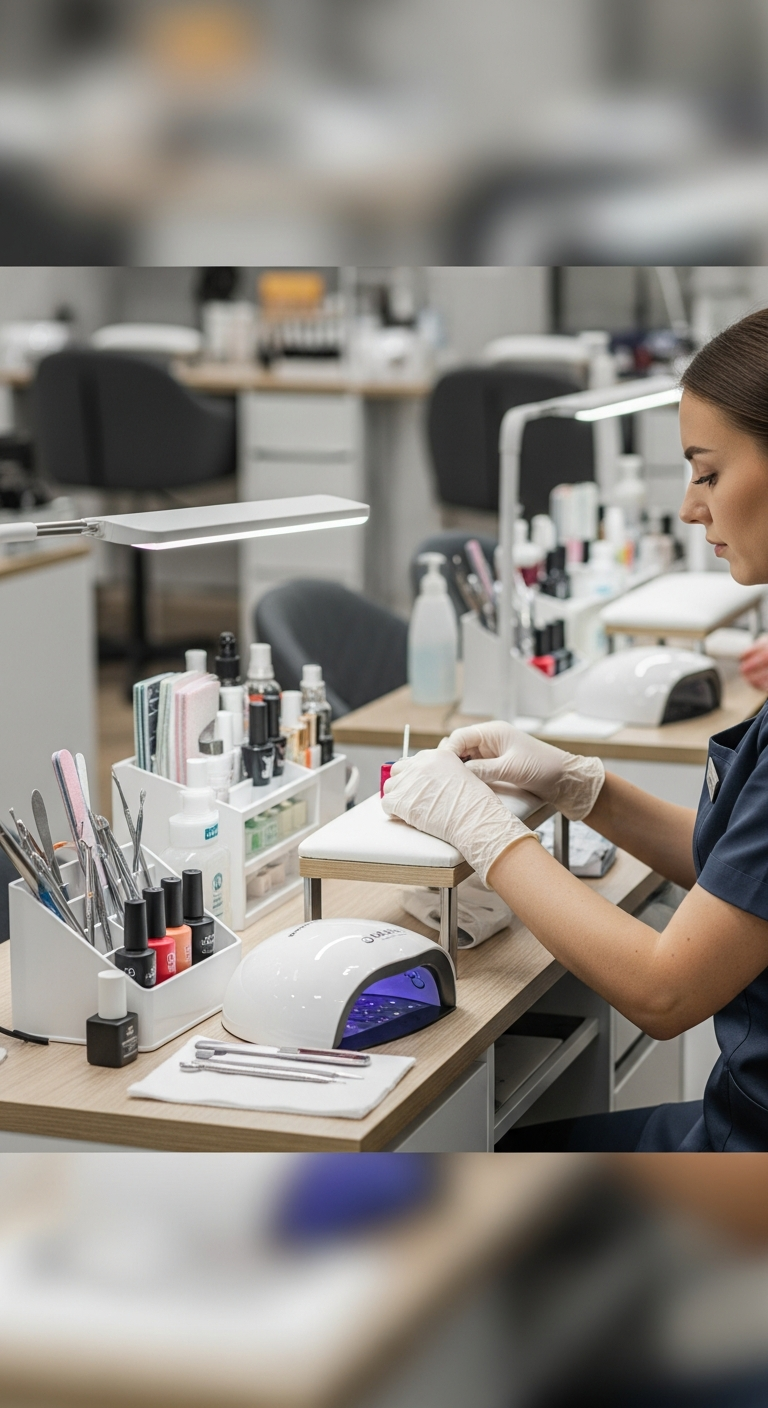
Each nail technician must follow a specific checklist for station preparation. This includes the placement of implements, disinfectant solutions, and towels to minimize wasted movement during services.
Mandatory sanitation windows should be built into the daily schedule. This ensures that every nail station remains compliant with state board regulations between every client appointment.
Streamlining Service Steps
Define the exact sequence for every nail service, from the initial consultation to the final application of cuticle oil. This prevents technicians from over-servicing and protects profit margins.
Managing Staff Performance and Scheduling
Labor is the highest cost in a nail salon, making efficient scheduling vital. Owners must balance technician availability with peak client demand to avoid idle time.
Optimizing Technician Rotation
Implement a fair rotation system for walk-in nail clients. This maintains staff morale and ensures that all technicians have equal opportunities to meet their performance targets.
Monitor the time taken for specific nail enhancements and manicures. Technicians who consistently exceed allotted times may require additional technical training to improve their speed.
Performance Tracking and Revenue Goals
Track daily revenue per nail technician to identify top performers and those needing support. Use these metrics to set realistic daily and weekly salon production goals.
Internal Operational Cost Management
Controlling overhead requires a deep understanding of nail product consumption. Small leaks in product usage can lead to significant financial losses over a fiscal year.
- Inventory Audits: Perform weekly counts of professional nail liquids, powders, and gels.
- Portion Control: Train staff on the correct amount of nail product required for each service.
- Waste Reduction: Monitor the disposal of consumables like files, buffers, and nail wipes.
Managing High-Traffic Workflows
During peak hours, a dedicated floor manager should oversee the transition between nail services. This role ensures stations are flipped quickly and clients are seated promptly.
Effective communication between the front desk and the nail technicians prevents double-booking. Clear protocols for handling late arrivals protect the integrity of the entire day’s schedule.
Maintaining Professional Standards
Internal audits of nail services help maintain the salon’s reputation. Regular check-ins on technical execution ensure that the salon’s quality standards are never compromised.
Safety protocols for chemical storage and ventilation must be part of the daily operational routine. A clean and safe nail salon environment is a non-negotiable requirement for long-term growth.
