Standard Operating Procedures for Nail Salon Consistency
A nail salon standard operating procedure (SOP) is a documented system of technical steps used to maintain service consistency across all staff members. These protocols define exact requirements for nail preparation, application techniques, and sanitation, ensuring every client receives the same professional result regardless of the technician performing the service.
Standardizing Technical Service Delivery
Consistency is the foundation of a successful nail business. Without specific protocols, technicians may use varying amounts of monomer or different filing grits, leading to unpredictable results and durability issues.
Every service must follow a strict sequence of events. This includes uniform nail plate preparation, specific product application thicknesses, and finalized shaping techniques that align with the salon brand standards.
By defining exactly how a nail set should be constructed, management can easily identify where technical errors occur. This reduces the need for complimentary repairs and increases overall client retention rates.
Daily Workflow and Station Management
Efficient nail salon operations require a structured daily schedule. Technicians must understand their responsibilities regarding station setup and breakdown to ensure the salon remains professional throughout the business day.
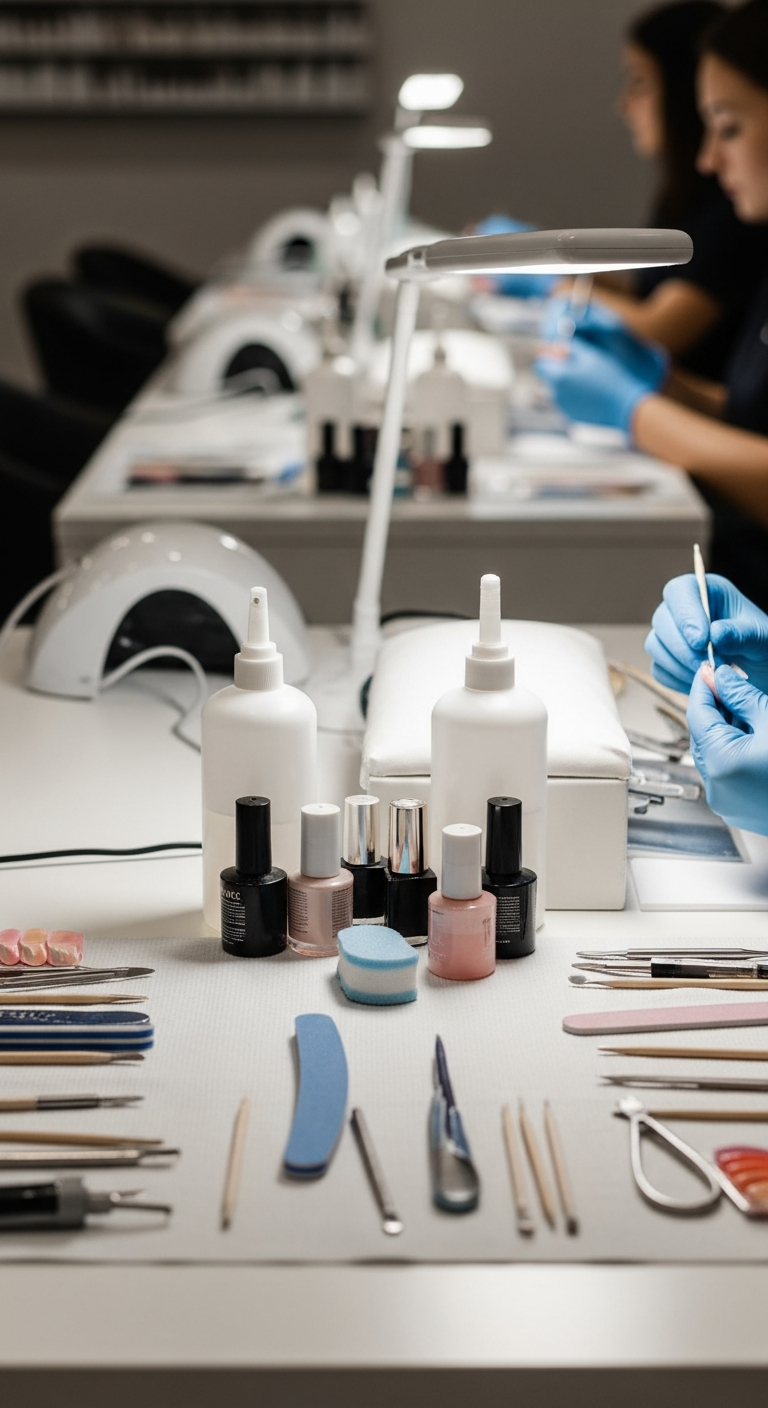
- Morning Prep: Technicians must verify that all implements are sterilized and liquid dispensers are filled before the first client arrives.
- Turnover Protocol: Stations must be cleared of nail dust and debris immediately following every service to maintain professional hygiene standards.
- Closing Duties: Final inventory counts and deep cleaning of pedicure basins are essential to meet U.S. state board safety regulations.
Managing Staff Scheduling and Performance
Effective scheduling must account for varying service speeds among nail technicians. Management should monitor the average time taken for a full set versus a fill to optimize the daily appointment book.
Performance tracking focuses on the technical quality of the nail work and the ability to stay within allotted timeframes. This ensures the salon maintains a high throughput without compromising the structural integrity of the nails.
Cost Control and Revenue Tracking
Internal operational success depends on precise revenue tracking and waste management. Nail products, including gels and acrylics, represent a significant portion of monthly overhead that must be monitored.
Technicians should be trained on product usage to prevent excessive waste. Over-pouring monomer or using too much nail lacquer directly impacts the profit margin of every individual service performed.
Implementing a daily revenue log allows owners to compare labor costs against service totals. This data helps in adjusting service prices to reflect current market rates and professional labor demands in the United States.
Maintaining Professional Sanitation Standards
Operational excellence in the nail industry is impossible without strict adherence to sanitation laws. Every tool must undergo a specific disinfection process that meets or exceeds state requirements.
Clear documentation of these cleaning cycles provides a professional safeguard for the business. It ensures that the nail salon environment remains safe for both the technicians and the clientele at all times.
