How to Open a Nail Salon: A First-Year Survival Guide
A nail salon is a professional business specializing in nail care services, including manicures, pedicures, and nail enhancements. Successful startup requires securing a commercial space, meeting state board safety regulations, and managing operational expenses to achieve profitability within the first year of business.
Estimating Initial Nail Salon Startup Costs
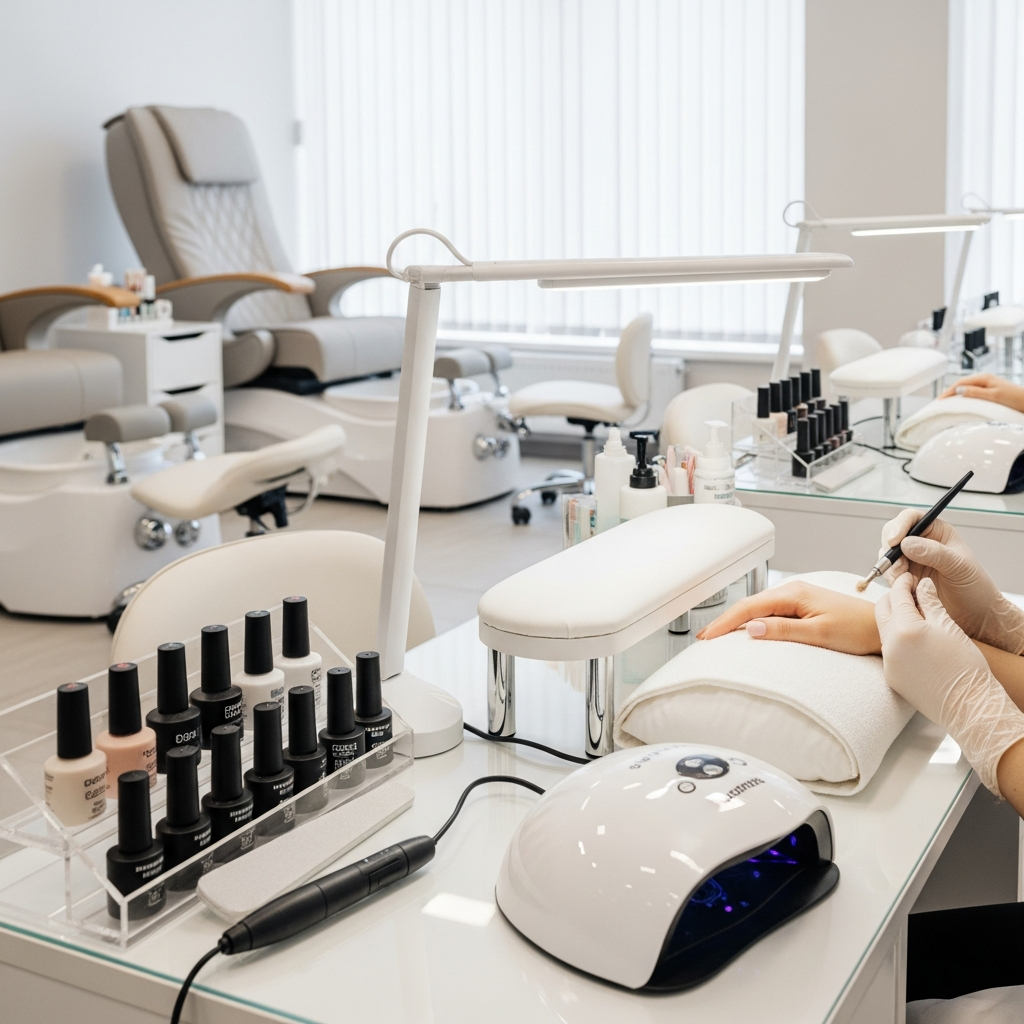
Opening a nail salon requires significant upfront capital for equipment and supplies. You must account for specialized nail tables, pedicure chairs with proper plumbing, and high-quality ventilation systems.
Initial inventory includes professional-grade acrylic systems, gel polishes, and sanitation chemicals. In the United States, these costs can range from $10,000 to over $50,000 depending on the size and location of the facility.
Working capital is also essential to cover the first six months of rent and utilities. Many new owners fail because they underestimate the time it takes to build a consistent client base.
Navigating Legal and State Board Requirements
The nail industry is strictly regulated by state boards of cosmetology to ensure public safety. You must obtain a salon premises license and ensure every technician holds a current individual license.
Health and safety standards require specific disinfection protocols for all nail tools. Failure to meet these standards during an inspection can result in heavy fines or immediate closure.
Standard business requirements include a local business permit, an Employer Identification Number (EIN), and liability insurance. Professional insurance protects the business from claims related to nail service injuries or infections.
Common Financial Mistakes in the First Year
Many new nail salon owners overspend on luxury decor instead of functional equipment. While aesthetics matter, the quality of the nail service and the comfort of the workstations are more important for retention.
Neglecting to track “back bar” costs is another frequent error. Professional nail products like monomers and gels are expensive, and waste can quickly erode your profit margins.
Poor pricing strategies can also lead to business failure. If your service prices do not account for product costs, booth rental or commission, and overhead, the salon will lose money on every client.
Achieving the Break-Even Point
Survival in the nail industry depends on reaching a break-even point as quickly as possible. This is the moment where your total monthly revenue equals your total monthly expenses.
To reach this goal, focus on high-retention services like gel manicures and fills. Regular clients provide the predictable income necessary to pay fixed costs like rent and electricity.
Monitoring your daily nail service volume is critical for growth. Small adjustments in scheduling and technician efficiency can significantly increase the daily revenue of the salon.
Building a Professional Service Menu
A focused menu is better for a new nail salon than a broad, confusing list of services. Start with core professional offerings such as liquid and powder enhancements, soak-off gels, and basic pedicures.
Ensure each service has a clear time limit to maximize the use of each nail station. Efficiency allows for more client appointments per day without compromising the quality of the work.
Use high-quality professional brands to reduce service breakdowns and lifting. Providing durable nail sets builds trust and encourages clients to return every two to three weeks.
