How to Open a Nail Salon: First-Year Survival Strategy
Opening a nail salon requires careful planning of startup costs, licensing, and local health department permits to ensure long-term viability. Success in the first year depends on maintaining a strict break-even analysis and managing professional supply overhead while building a consistent client base through high-quality nail services and sanitation standards.
Calculating Your Initial Startup Costs
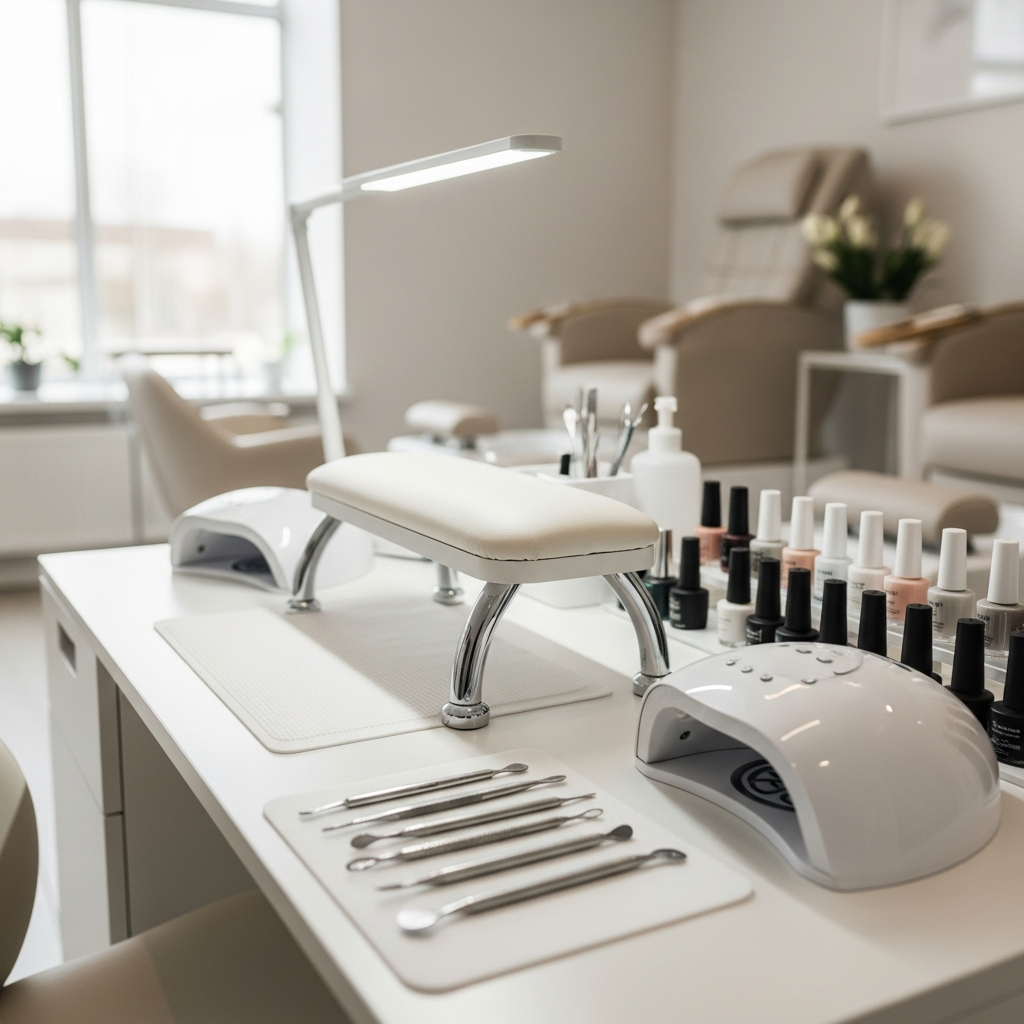
Launching a nail business involves significant upfront investment in professional equipment and facility modifications. You must account for specialized ventilation systems, ergonomic manicure tables, and pedicure thrones.
A typical U.S. startup budget also covers state board licensing fees, professional liability insurance, and initial bulk chemical inventory. Keeping these fixed costs low during the first six months is critical for survival.
Meeting Legal and Sanitation Standards
Every nail salon must comply with strict state board regulations regarding sanitation and chemical storage. Failing an initial inspection can delay your opening and drain your remaining capital before you serve a single client.
You must establish a rigorous disinfection protocol for all implements and workstations. Displaying your licenses and health permits clearly builds trust with your new clientele and ensures legal compliance in your jurisdiction.
Managing First-Year Cash Flow
Cash flow management is the most common reason new nail businesses fail within twelve months. You must track every dollar spent on disposable files, buffers, and professional lacquers to prevent financial leakage.
Finding Your Break-Even Point
Determine exactly how many manicure or pedicure services you need to perform daily to cover your monthly rent and utilities. This number dictates your technician scheduling and your daily operational goals.
Once you understand your break-even point, you can adjust service prices to reflect your local market. Avoid the temptation to offer deep discounts that erode your profit margins during the early survival phase.
Avoiding Common Operational Mistakes
- Underestimating Supply Waste: Overusing gels or acrylic powders can quickly cut into your service profits.
- Ignoring Ventilation: Poor air quality can lead to health issues for staff and a negative environment for clients.
- Inconsistent Pricing: Changing rates too often confuses customers and makes financial forecasting impossible.
Focus on mastering basic service execution and maintaining a clean environment. Consistency in the early stages builds the foundation for long-term growth and a professional reputation within the industry.
