Nail Salon Startup: First Year Survival Guide
A nail salon is a professional establishment focused on providing specialized care, chemical enhancements, and maintenance for natural nails and enhancements. Survival in the first year requires securing State Board permits, installing proper ventilation systems, and managing strict supply costs to maintain a positive cash flow within the professional nail industry.
Essential Legal and Operational Setup
Before serving the first client, a new owner must secure a facility license from the state board of cosmetology. This process involves passing inspections that focus on sanitation stations and ventilation requirements.
Liability insurance is a non-negotiable cost for any new nail business. This protects the owner against claims related to chemical sensitivities or accidental injuries during a technical service.
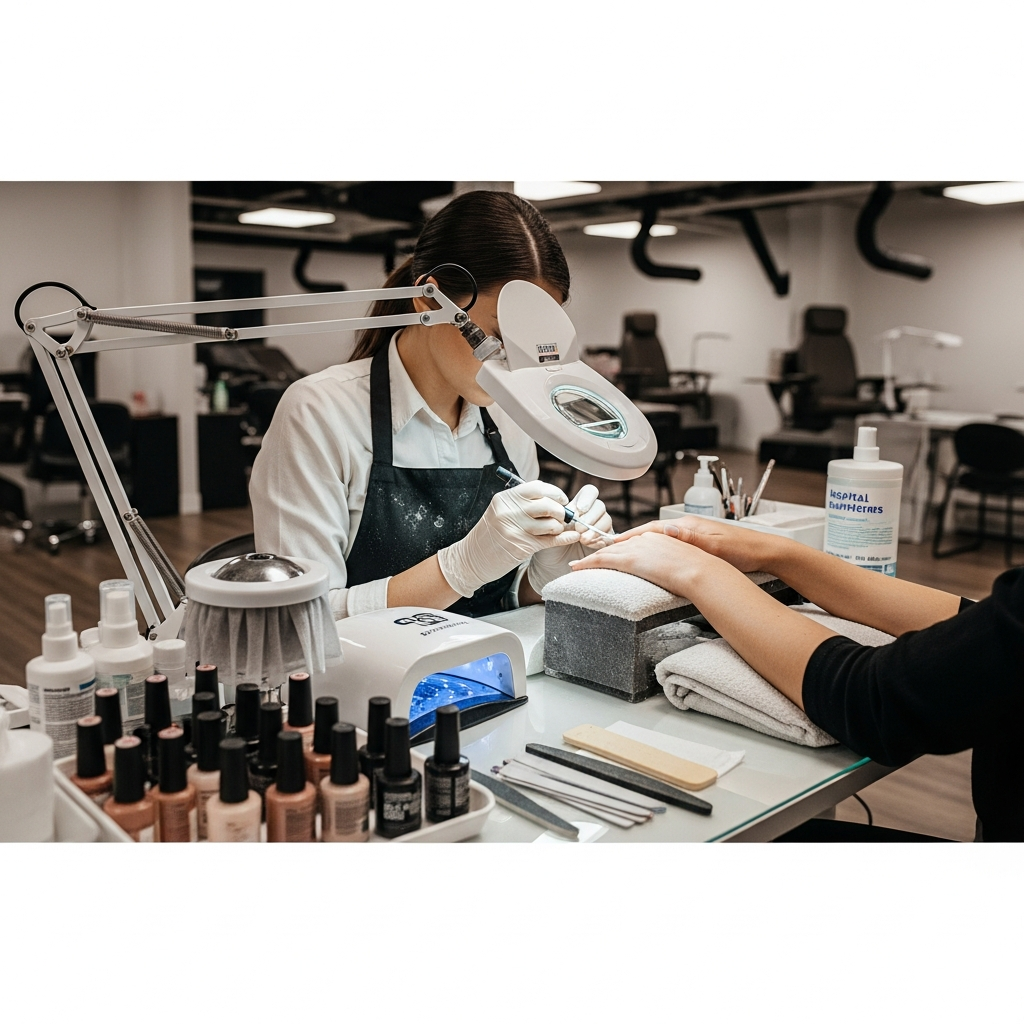
Choosing the right location impacts long-term survival. A visible storefront with adequate plumbing and electrical capacity for professional nail lamps and dust collectors is vital for daily operations.
Managing Initial Supply and Inventory Costs
High-quality professional products are necessary for consistent results. Owners should focus on purchasing essential monomer, polymer, and gel systems from reputable professional distributors to ensure product safety.
Initial inventory should be lean to avoid tying up necessary cash. Focus on a core range of popular polish colors and essential sanitation chemicals like hospital-grade disinfectants.
- Professional Grade Monomer: Essential for acrylic services.
- Hospital-Grade Disinfectant: Required for tool sanitation.
- Disposable Files and Buffers: Necessary for client safety.
- Ergonomic Technician Chairs: Prevents long-term physical strain.
Controlling First-Year Financials
The first year often involves high overhead and fluctuating revenue. Tracking the “cost per service” for every nail application helps in setting prices that cover both labor and materials.
Rent and utilities usually represent the largest fixed costs. New owners must monitor electricity usage, especially with high-powered nail lamps and ventilation systems running throughout the day.
Booth Rental vs. Commission Models
Choosing a labor model is a critical survival decision. Commission-based structures allow the owner more control over service quality and professional standards during the startup phase.
Booth rental can provide steady monthly income for the owner but offers less control over the salon’s brand. Most successful startups begin with a focused team to build a consistent reputation.
Building a Consistent Client Base
Retention is the key to surviving the first six months. Providing a clean, professional environment encourages clients to book their next nail maintenance appointment before leaving the salon.
Word-of-mouth referrals remain the most effective growth strategy for new shops. Delivering high-quality technical work ensures that local clients recommend the salon to their professional networks.
Maintaining a strict schedule prevents long wait times. Reliability in booking builds trust, which is the foundation of a stable and profitable nail business in any U.S. market.
