How to Open a Nail Salon: A First-Year Survival Guide
Opening a nail salon involves securing a commercial lease, obtaining state board licensure, and purchasing professional inventory like monomer and gel polishes. To survive the first year, owners must calculate their break-even point by balancing fixed costs, such as rent and insurance, against service revenue from manicures, pedicures, and nail enhancements.
Essential Startup Costs for a New Nail Salon
A new nail salon requires a significant initial investment in professional equipment and high-quality supplies.
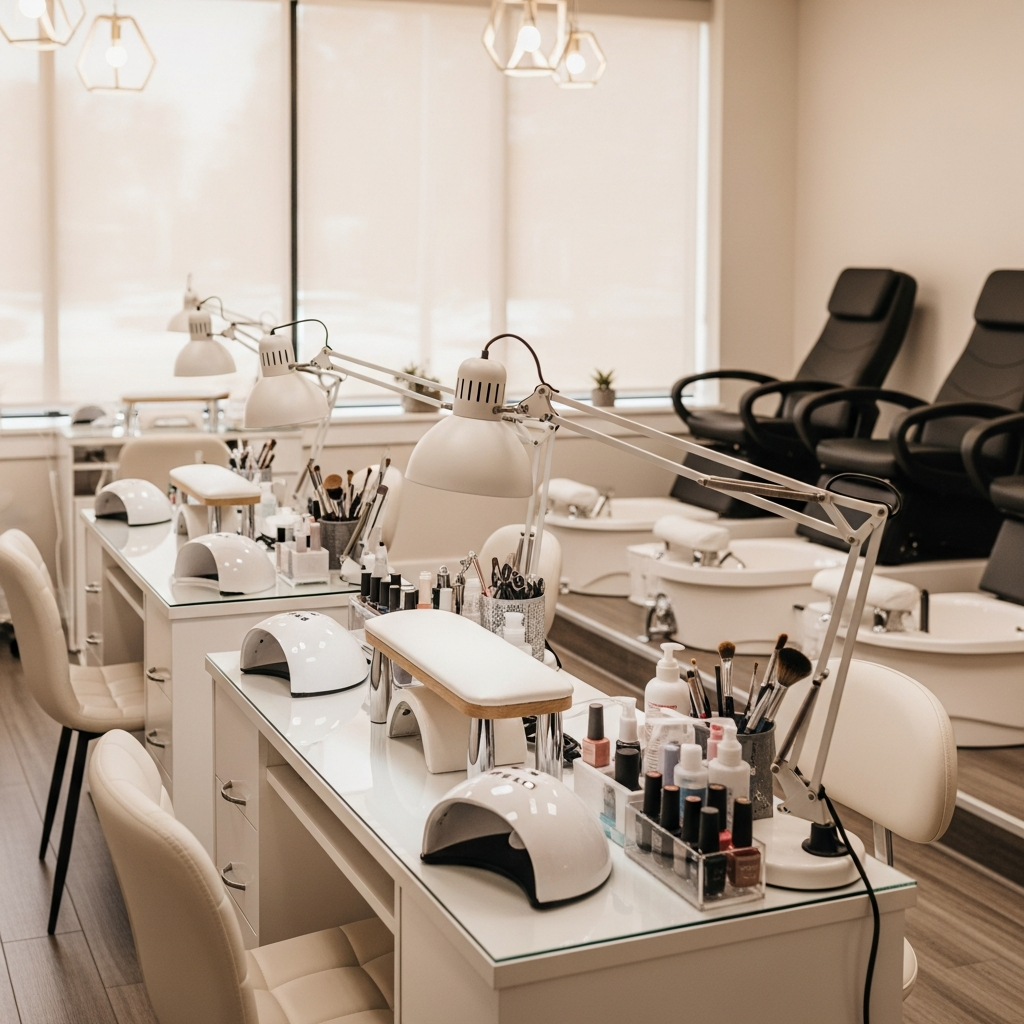
Focus on purchasing durable manicure tables with built-in ventilation and ergonomic pedicure thrones that meet state sanitation codes.
Initial inventory should include professional-grade acrylic systems, gel polish collections, and a robust supply of disposable files and buffers.
-
Priority Startup Expenses:
- Commercial lease deposit and interior build-out
- State Board of Cosmetology licensing and inspection fees
- Professional nail desk lamps and UV/LED curing units
- Backbar essentials including acetone, alcohol, and monomer
Navigating U.S. Licensing and Legal Basics
Compliance with your specific State Board of Cosmetology is the most critical step for any nail business.
You must obtain a salon facility license and ensure every technician holds a current, valid nail technology or cosmetology license.
Secure a federal Employer Identification Number (EIN) and local business permits before performing your first nail service.
Financial Survival: Reaching the Break-Even Point
Survival depends on knowing exactly how many nail services you must perform daily to cover your overhead.
Calculate the cost per service by measuring the amount of product used for one set of acrylics or a standard pedicure.
Monitor backbar waste closely, as excessive use of nail primers and top coats can quickly erode your profit margins.
Managing Cash Flow
Keep at least three months of operating expenses in reserve to handle slow periods during the first year.
Prioritize paying fixed costs like rent and utilities before reinvesting in trendy new nail polish colors.
Common First-Year Mistakes to Avoid
Many new nail salon owners fail by overstaffing before they have a consistent client base to support the payroll.
Avoid purchasing excessive decorative decor at the expense of high-quality nail drills and sterilization equipment.
Underpricing services to attract customers often leads to a cycle of low revenue that cannot sustain professional-grade supplies.
-
Early Survival Tips:
- Implement strict sanitation protocols to pass surprise inspections
- Focus on high-margin services like gel extensions and structured manicures
- Track every bottle of nail lacquer to prevent inventory shrinkage
Strategic Growth in the First Year
Focus on client retention by providing consistent results and a clean, professional nail environment.
Encourage technicians to pre-book the next nail appointment before the client leaves the salon to stabilize future revenue.
