Standard Operating Procedures for Nail Salon Efficiency
Standard operating procedures for a nail salon are documented workflows that ensure consistent service delivery, hygiene compliance, and operational efficiency. Implementing structured nail service protocols helps salon owners maintain quality standards, manage technician performance, and optimize daily revenue through streamlined appointment transitions and professional resource management.
Designing a Productive Nail Salon Daily Workflow
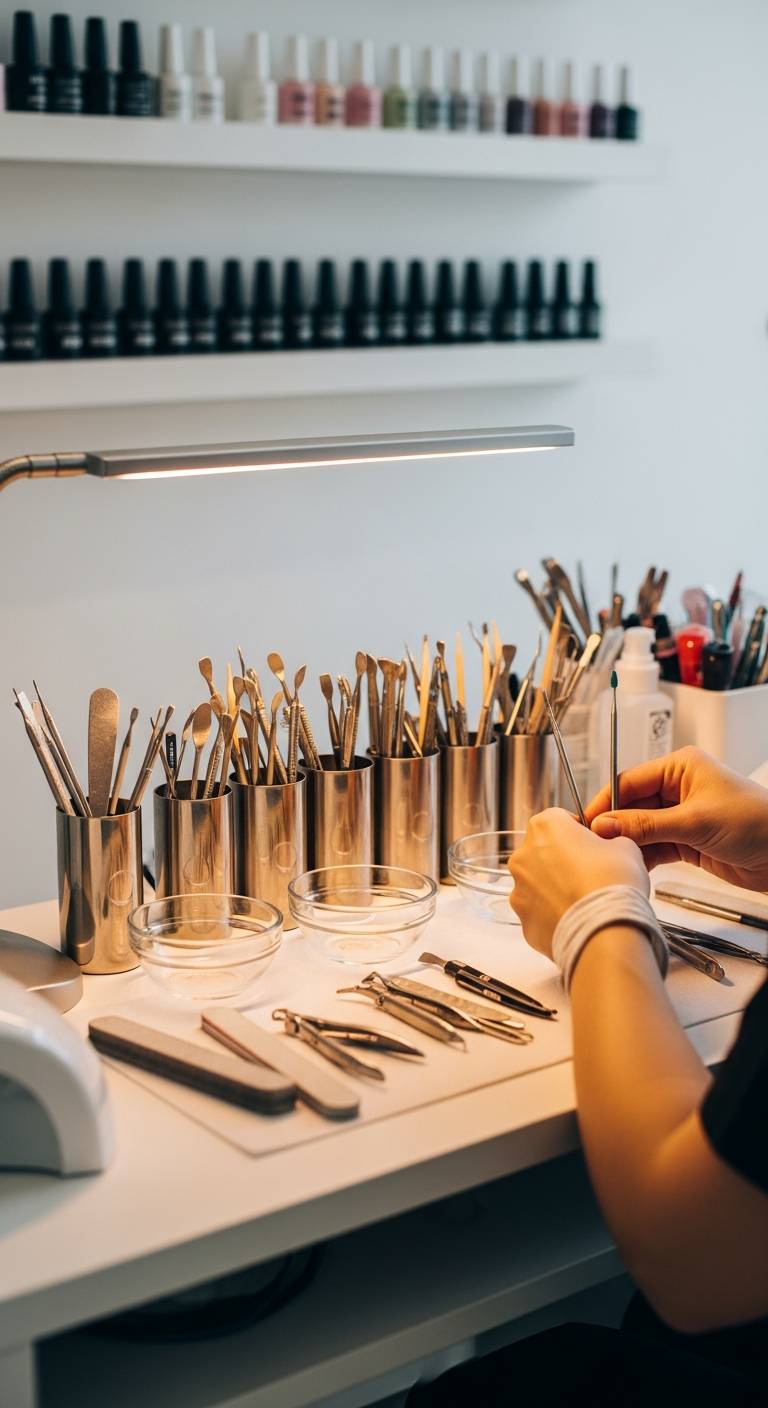
A professional nail salon relies on a structured morning setup to ensure all stations are prepared before the first client arrives. Technicians must verify that their manicure tables are stocked with clean towels, sterilized implements, and essential nail liquids.
Transition times between nail appointments should be strictly managed to prevent scheduling backlogs. Effective workflows require technicians to clean their workspace and reset their tools within ten minutes of completing a service.
Closing procedures must include the deep cleaning of pedicure basins and the organization of the polish wall. Standardizing these end-of-day tasks ensures the salon remains compliant with state board safety regulations and is ready for the next business day.
Standardizing Technical Nail Service Protocols
Service consistency is achieved by requiring every nail technician to follow the same steps for preparation and application. This includes uniform nail plate dehydration, cuticle work, and base coat application methods.
By using a standardized SOP for acrylic or gel applications, the salon reduces product waste and ensures long-lasting results for every client. This uniformity builds trust and encourages repeat bookings regardless of which technician performs the service.
Technicians should also follow a set protocol for post-service care, such as applying cuticle oil and providing specific nail aftercare advice. This professional approach elevates the perceived value of the service and protects the integrity of the work.
Monitoring Nail Technician Performance and Output
Revenue tracking starts with monitoring individual nail technician performance and service timing. Owners should review how long a standard full set or gel manicure takes to ensure the schedule remains profitable.
Regular performance reviews should focus on technical precision, adherence to sanitation steps, and the ability to maintain a clean station. These metrics help identify where additional training is needed to maintain salon standards.
Consistency in service timing allows for more accurate booking and prevents technician burnout. When every member of the team follows the same pace, the salon can maximize its daily appointment capacity without sacrificing quality.
Cost Control and Professional Inventory Management
Effective nail salon management requires strict control over professional product usage to maintain healthy profit margins. Standardized pouring and dispensing methods for monomers, polymers, and gels prevent unnecessary waste.
Inventory audits should be conducted weekly to track the consumption of high-use items like nail files, buffers, and acetone. Maintaining an organized stockroom prevents over-ordering and ensures technicians never run out of essential supplies.
Linking inventory usage to service volume allows owners to identify discrepancies in product consumption. This data-driven approach to management helps in lowering overhead costs and increasing the overall profitability of the nail business.
