Financial Survival Strategies for a New Nail Salon
A nail salon startup requires careful financial planning to survive its first year, focusing on overhead control and client retention. Success depends on understanding break-even points, managing supply costs, and securing proper licensing to ensure the business remains compliant while building a stable, recurring revenue stream from professional nail services.
Establishing Your Nail Salon Financial Foundation
The first year of opening a nail salon is the most volatile period for any new owner.
Initial capital often disappears quickly into lease deposits, professional ventilation systems, and furniture.
Maintaining a strict budget for back-bar supplies and retail inventory is critical for early survival.
Calculating Realistic Startup Costs
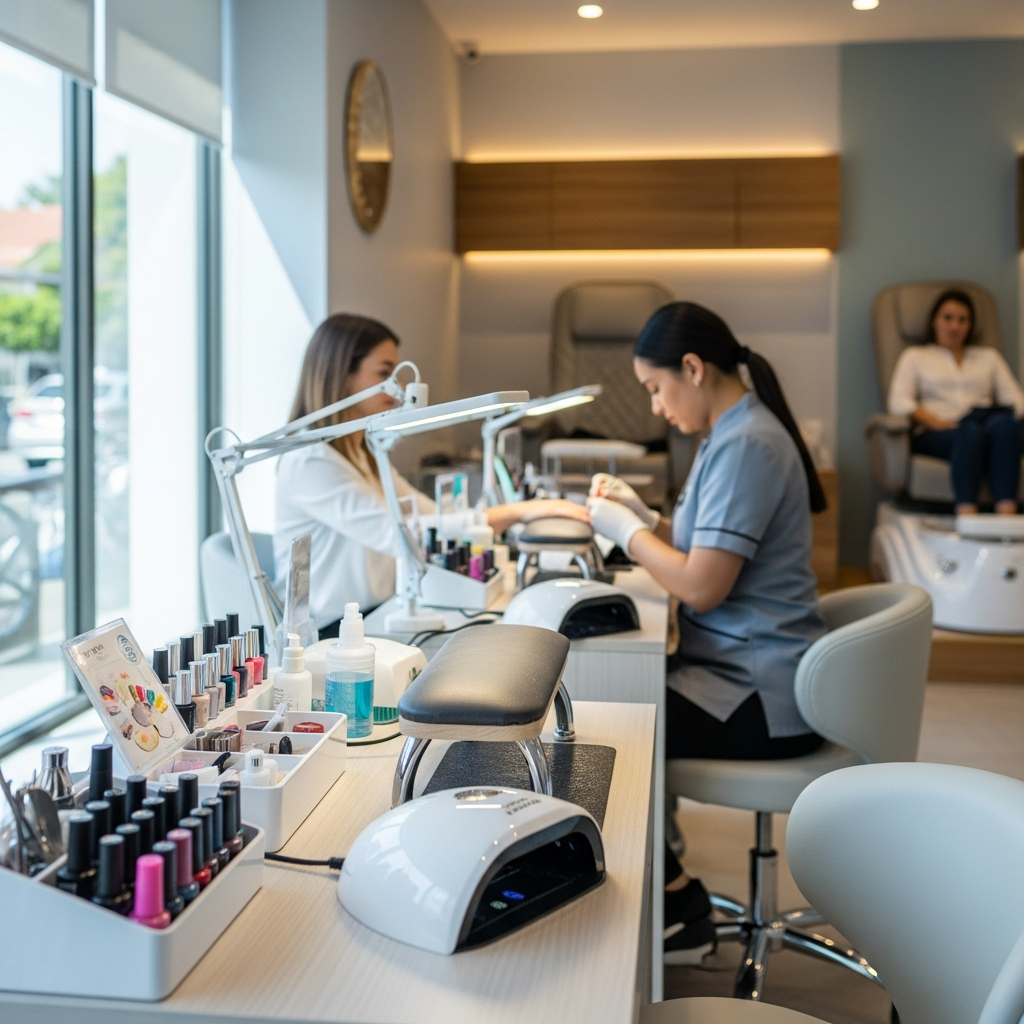
Startup costs must include high-quality pedicure chairs, nail stations, and ergonomic seating for technicians.
Owners should also budget for State Board licensing fees and professional liability insurance.
Allocating a reserve fund for at least six months of rent ensures stability during slow months.
Managing Nail Supply Inventory
Inventory management is a primary factor in controlling first-year operational costs.
Over-ordering trendy gel polish colors or excessive acrylic powders can tie up essential cash flow.
Stick to a core set of professional brands and monitor product usage per service carefully.
Reaching the Break-Even Point
Every nail salon owner must identify the exact number of services needed to cover daily expenses.
This calculation includes fixed costs like rent and utilities, plus variable costs like technician commissions.
Knowing this number helps in setting service prices that guarantee a profit margin.
Service Pricing for Profitability
Pricing should reflect the local market while accounting for the cost of professional grade materials.
Avoid the mistake of undercutting competitors at the expense of your own business sustainability.
A professional nail service must cover the technician’s time, products used, and salon overhead.
Controlling Labor and Commission Costs
Labor is typically the largest expense in any professional nail environment.
Whether using a commission-based or hourly model, ensure the structure incentivizes productivity.
High turnover in the first year can be costly, so focus on hiring reliable technicians.
Avoiding Common First-Year Pitfalls
Many new owners overspend on aesthetic decor while neglecting essential sanitation equipment.
While a beautiful salon attracts clients, the quality of the nail work and hygiene keeps them.
Focus on operational efficiency and customer service to build a loyal local clientele.
Prioritizing Sanitation and Safety
Maintaining strict sanitation protocols is not just a legal requirement but a business necessity.
Investing in high-quality autoclaves or medical-grade disinfectants prevents costly State Board fines.
A reputation for cleanliness is the most effective way to grow a nail business organically.
Legal Basics and Operational Compliance
Ensure all technicians hold valid, active licenses required by your specific State Board.
Display all permits and safety data sheets (SDS) clearly to remain compliant with local regulations.
Ignoring these basics can lead to immediate shutdowns or heavy financial penalties during inspections.
