How to Open a Nail Salon: First Year Survival Guide
Opening a nail salon requires a strategic focus on initial overhead, state licensing, and operational liquidity to survive the first twelve months. Most new nail businesses succeed by controlling supply costs, mastering booth or commission structures, and maintaining strict sanitation standards while building a steady, recurring client base from scratch.
Determining Your Initial Nail Salon Startup Costs
The first step in opening a nail business is calculating your total startup investment.
In the United States, your lease deposit, interior build-out, and ventilation systems often represent the largest upfront expenses.
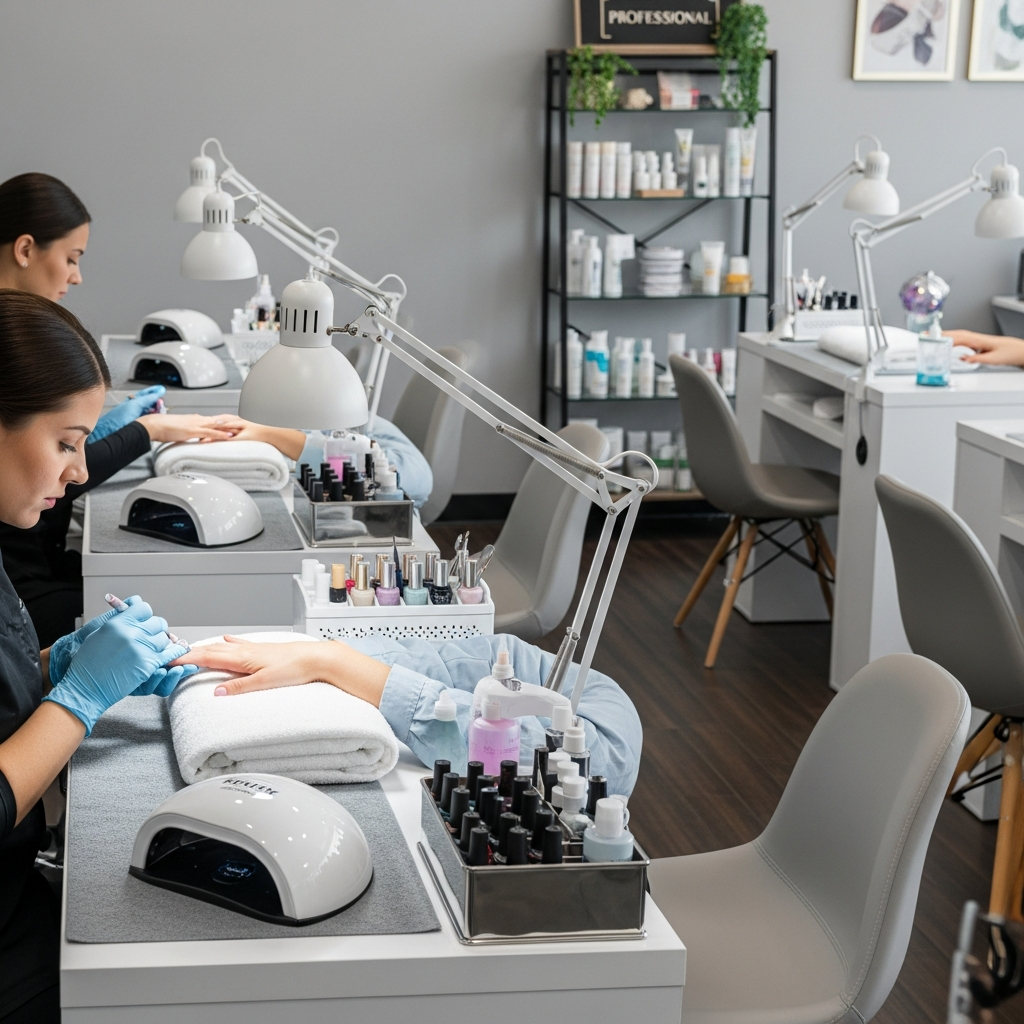
You must also budget for professional-grade manicure tables, pedicure chairs, and high-performance LED lamps.
Professional Nail Equipment and Initial Inventory
Stocking your backbar with professional gels, acrylics, and monomer is a significant initial cost.
Focus on purchasing high-quality liquids and powders that comply with state board safety regulations.
Avoid over-ordering specialty colors and instead invest in a core collection of high-demand shades.
Navigating U.S. Licensing and Legal Compliance
Every nail salon owner must secure a facility license from their State Board of Cosmetology.
Ensure your salon layout meets specific square footage and sanitation requirements to pass initial inspections.
Maintain updated technician licenses for all staff to avoid heavy fines or temporary closures.
Operational Financial Strategy for New Owners
Survival in the first year depends on maintaining a low break-even point every month.
Track every bottle of lacquer and pack of files to monitor your professional supply overhead.
Effective cost control prevents the common pitfall of overspending on inventory before building a client base.
Controlling Supply Waste and Backbar Costs
Train your staff on the precise measurement of nail chemicals to reduce daily product waste.
Using calibrated pumps for acetone and monomer can save hundreds of dollars in professional supplies.
Keep a detailed inventory log to identify which nail products are underperforming or expiring.
Setting Professional Service Pricing
Your service menu must reflect local market rates while covering all labor and supply costs.
Calculate the “cost per service” by including the price of files, buffers, and chemical products used.
Price your nail services to ensure a healthy profit margin that allows for business reinvestment.
