How to Start a Nail Salon and Survive the First Year
Starting a nail salon requires an initial investment ranging from $40,000 to $150,000 for equipment, licensing, and leasehold improvements. Success in the first year depends on strict cost control, obtaining correct state board certifications, and maintaining enough working capital to cover overhead before reaching the break-even point.
Essential Licensing and U.S. Regulatory Compliance
Opening a professional nail business begins with strict adherence to state board regulations. You must secure a salon facility license and ensure every nail technician on staff is properly certified.
In the United States, you will need an Employer Identification Number (EIN) for tax purposes. Local permits regarding ventilation and chemical storage are mandatory to meet safety standards for nail services.
Startup Inventory and Professional Nail Equipment
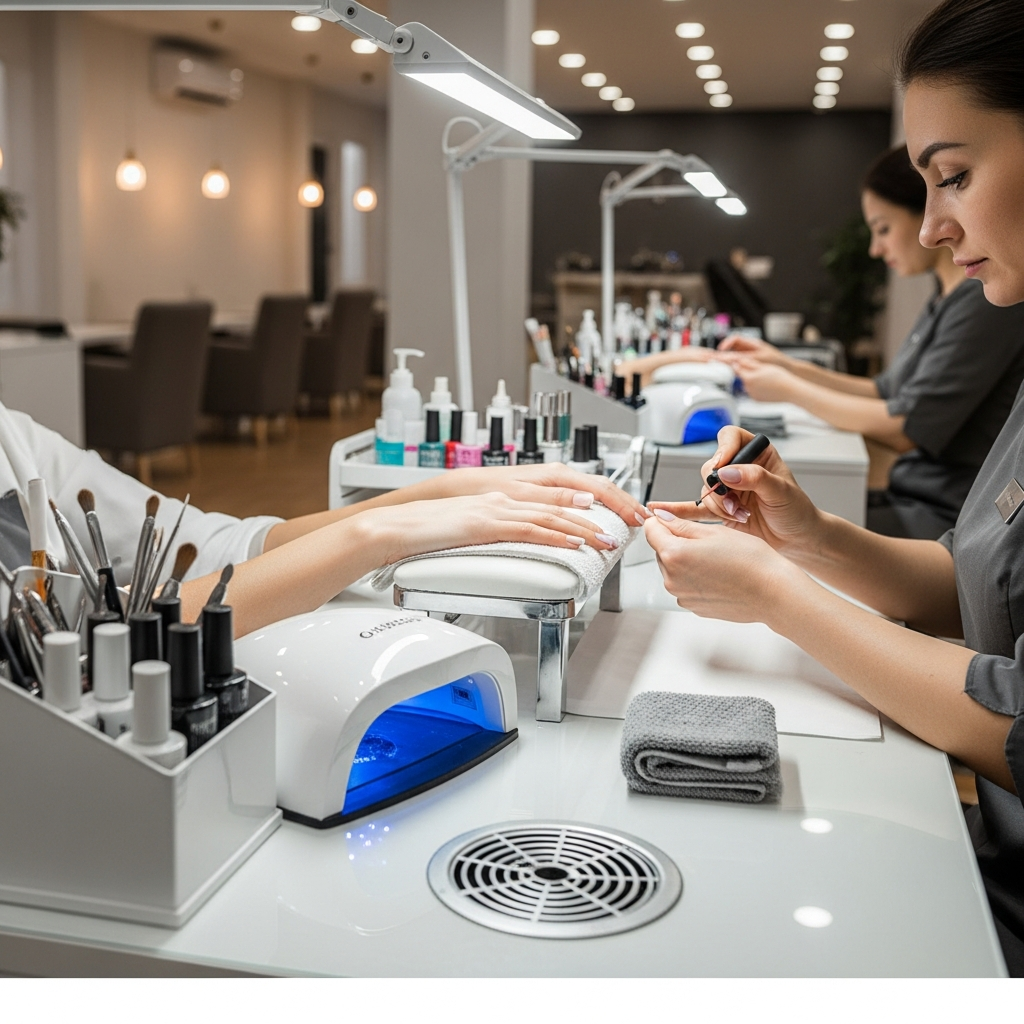
Your initial budget must prioritize high-quality nail tables and ergonomic seating for both technicians and clients. Professional-grade LED lamps and ventilation systems are critical for maintaining a safe workspace.
- Nail Stations: Manicure tables with built-in dust collectors.
- Pedicure Thrones: Plumbing-free or piped units with sanitation certifications.
- Sanitation Tools: Hospital-grade autoclaves or dry heat sterilizers for metal implements.
- Backbar Inventory: Bulk purchases of monomer, polymer, gel systems, and sanitation solutions.
Controlling First-Year Operating Costs
Financial survival depends on understanding your cost per service. Calculate the exact amount of nail liquid, files, and towels used during a standard manicure or full set.
Rent should ideally not exceed 15% of your projected gross revenue. Monitor utility usage closely, as nail dryers and pedicure basins can significantly increase monthly electricity and water bills.
Managing Nail Salon Labor and Payroll
Labor is typically the largest expense in any nail salon operation. Choose between a commission-based structure or an hourly wage that aligns with your local labor laws.
Ensure your payroll taxes are accounted for every month to avoid legal penalties. Proper scheduling prevents overstaffing during slow morning hours, preserving your cash flow for essential supplies.
Common Mistakes in Early Nail Salon Ownership
Many new owners overspend on aesthetic decor while neglecting the quality of their nail implements. High-end furniture will not compensate for poor technical execution or unsanitary conditions.
Another common pitfall is failing to set aside a cash reserve for the first six months. Most nail salons take time to build a recurring client base and rarely profit in the first quarter.
Strategies for Reaching the Break-Even Point
Focus on high-margin nail services, such as structured manicures or soak-off gel applications, to increase your average ticket price. Efficient service times allow for more appointments without compromising technical quality.
Consistency in service execution ensures client retention, which is cheaper than acquiring new customers. Track your retention rate weekly to measure the long-term health of your new nail business.
