
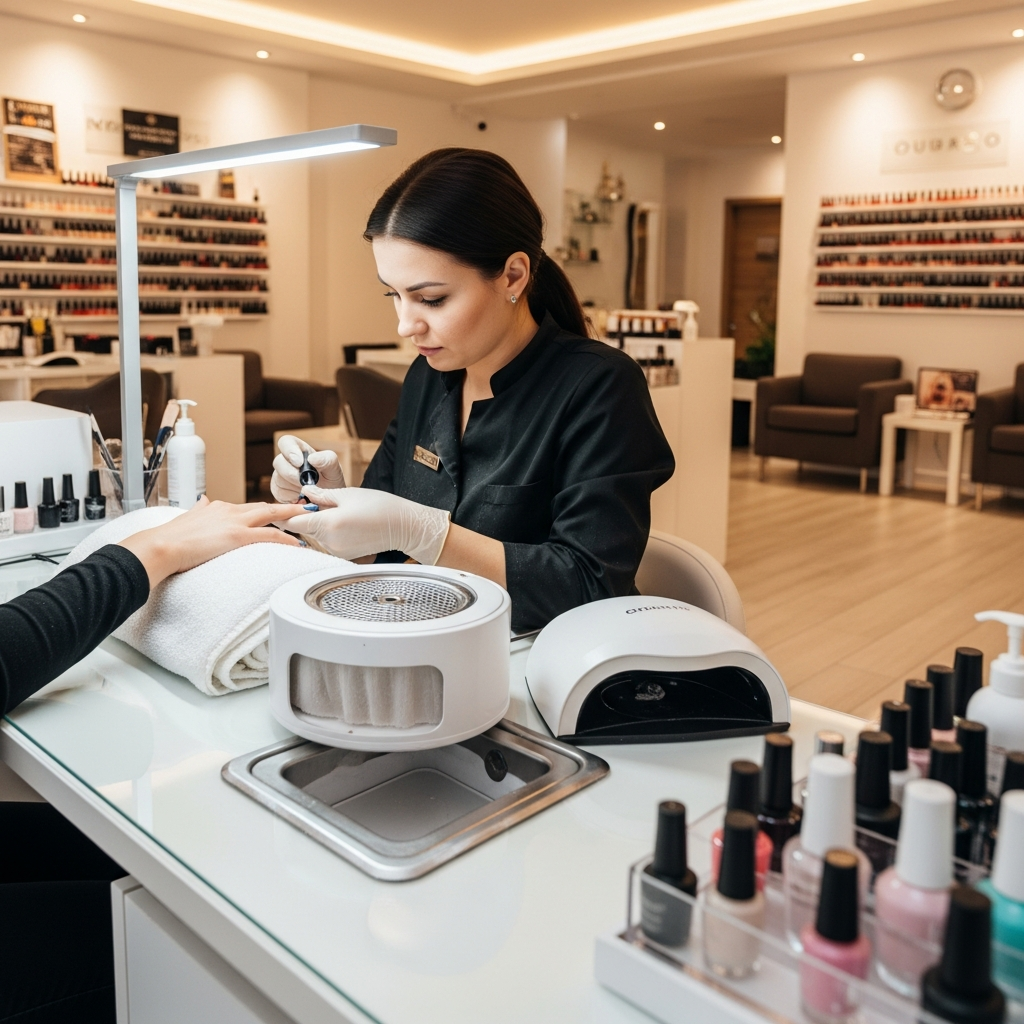
How to Survive the First Year of Opening a Nail Salon
Opening a nail salon involves securing professional licensing, managing high startup costs, and establishing a rigorous budget to survive the first twelve months of operation. Successful new owners prioritize nail technician labor costs and inventory control to reach the break-even point while maintaining strict sanitation standards required by state boards.
Establishing Your Nail Salon Financial Foundation
The first year of a nail business is often the most difficult due to high overhead and a developing client list. Owners must calculate their exact monthly burn rate, including rent, utilities, and professional nail supplies.
Setting a realistic break-even goal is critical for survival in the professional nail industry. Most new salons require at least six to nine months of operating capital in reserve to cover expenses before turning a profit.
Avoid over-investing in high-end decor during the first six months of operation. Instead, focus your capital on high-quality nail ventilation systems and ergonomic furniture that meet local health department codes.
Managing Nail Supply Costs and Inventory
Inventory mismanagement can quickly drain a new salon’s cash flow. Track every bottle of monomer, polymer, and gel polish used during services to understand your cost per service.
- Purchase only essential nail colors: Stick to popular seasonal palettes rather than buying every available shade.
- Monitor product waste: Ensure technicians are using the correct ratios for acrylic and gel applications.
- Bulk buying: Purchase disposable items like files, buffers, and table towels in bulk to reduce unit costs.
Navigating U.S. Licensing and Legal Requirements
Operating without the correct permits can lead to immediate closure and heavy fines. Ensure your nail salon has the proper establishment license and that every technician holds a current state license.
State Board inspections are frequent for new businesses in the nail industry. Maintain a rigorous daily sanitation log and follow all disinfection protocols for implements and pedicure basins.
Understand the local zoning laws in your specific U.S. city. Some areas have strict requirements for plumbing and chemical storage that can impact your initial build-out costs.
Avoiding Common First-Year Mistakes
Many new owners fail because they underprice their nail services to attract customers. This strategy often leads to a high volume of work with zero profit margin after paying technician commissions.
Focus on service quality and safety standards rather than being the cheapest nail salon in the area. Clients in the professional market value sanitation and technical skill over low prices.
Keep your personal finances completely separate from your nail salon business accounts. This allows for accurate tracking of revenue and prevents tax complications during your first year-end filing.
Building a Sustainable Workflow
Create a structured daily routine for opening and closing the salon. This ensures that every nail station is prepared for the next day and that no chemical products are left improperly sealed.
Effective scheduling prevents staff burnout and ensures that walk-in nail clients are handled efficiently without compromising service quality. Consistency is the key to building a repeat client base.
