Surviving the First Year of a New Nail Salon Business
Starting a nail salon requires careful financial planning and a focus on operational break-even points within the first twelve months. Successful nail business survival depends on managing supply costs, securing proper state licensing, and maintaining high sanitation standards to build client trust while controlling initial overhead expenses.
Essential Startup Costs for Nail Professionals
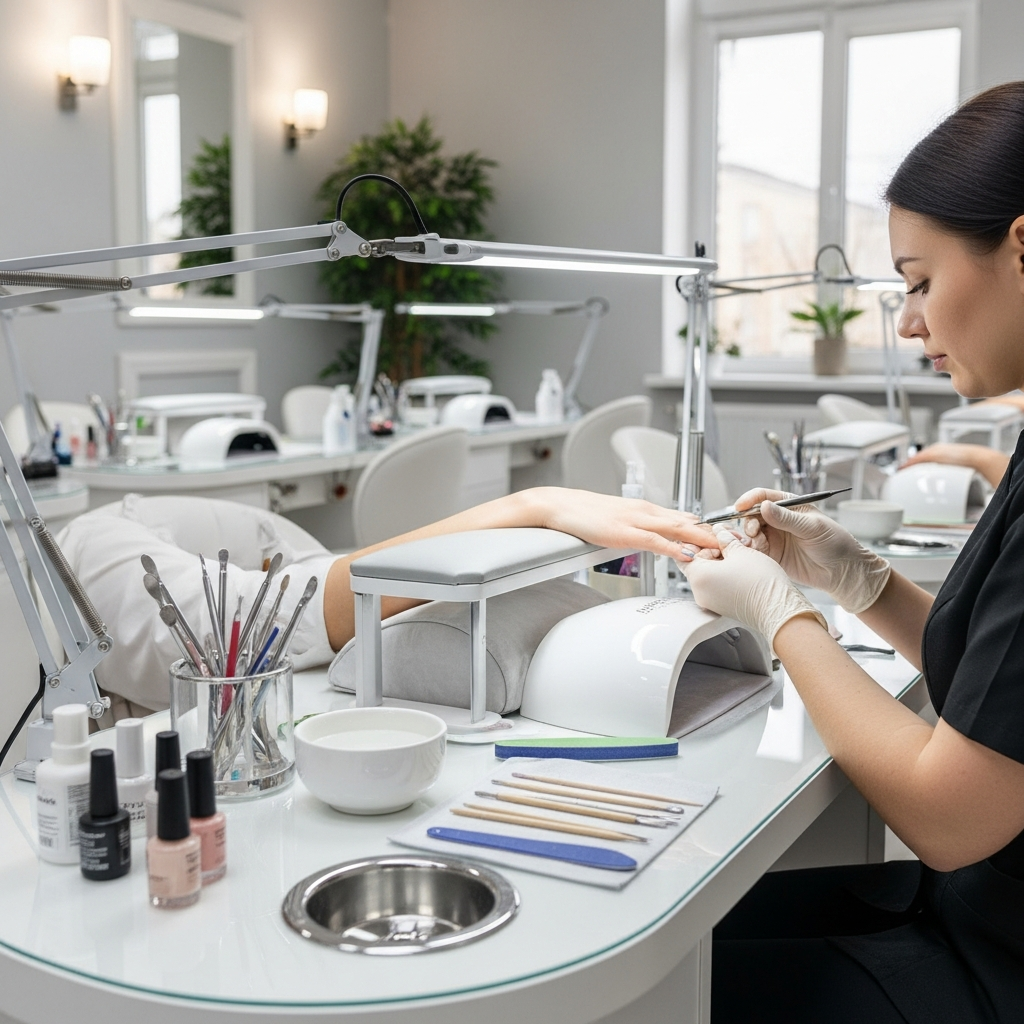
The initial investment in a nail salon includes professional-grade furniture, ventilation systems, and high-quality inventory. Owners must prioritize ergonomic manicure tables and pedicure thrones that meet local health department requirements.
Allocating funds for a robust initial stock of monomers, polymers, gels, and sanitation chemicals is vital. Professional nail products should be sourced from reputable distributors to ensure safety and performance consistency.
Rent and security deposits often represent the largest upfront expense for a new nail business. Choosing a location with high visibility and accessible parking can significantly influence early walk-in traffic and revenue.
Navigating Legal and Health Regulations
Compliance with State Board of Cosmetology regulations is non-negotiable for every nail salon owner. This includes displaying individual nail technician licenses and the establishment license in a visible area for clients to see.
Establishing strict sanitation protocols is the best way to avoid fines and protect client health. Every nail station must have a dedicated disinfection area for implements, following specific manufacturer contact time instructions.
Owners must also maintain updated Safety Data Sheets (SDS) for every chemical used in the nail salon. These documents provide essential information on chemical handling, storage, and emergency procedures for nail products.
Financial Break-Even and Cost Control
To survive the first year, nail salon owners must calculate the exact cost per service for every manicure and pedicure. This includes the price of disposables like files, buffers, and towels used during each nail appointment.
Monitoring backbar waste is a critical component of nail salon cost control. Training staff to dispense the correct amount of nail liquid or lotion prevents unnecessary inventory depletion and protects profit margins.
Managing Nail Salon Overhead
- Utility Management: High-powered nail lamps and ventilation systems can increase electricity costs significantly.
- Inventory Tracking: Regular audits of nail lacquer and gel polish stocks prevent over-ordering and product expiration.
- Labor Allocation: Aligning nail technician schedules with peak booking hours reduces idle time and maximizes hourly revenue.
Common First-Year Pitfalls to Avoid
Many new nail salon owners fail by over-hiring before the client base is established. It is safer to start with a core team of skilled nail technicians and expand as the appointment book fills up.
Inconsistent service quality can damage a new nail salon’s reputation quickly. Implementing a standardized service protocol ensures that every client receives the same high-quality nail shaping and application every time.
Neglecting a cash reserve is a frequent mistake in the nail industry. Maintaining a three-to-six-month emergency fund helps the nail salon cover fixed costs during slower seasonal periods or unexpected equipment repairs.
