Standardizing Nail Salon Workflows for Better Efficiency
Nail salon operational consistency is achieved through documented standard operating procedures (SOPs) that define every step of the service cycle. These protocols ensure that every nail technician delivers uniform results, maintains hygiene standards, and follows precise timeframes, which stabilizes revenue and improves the overall client experience in a professional nail environment.
Establishing Professional Nail Service SOPs
A successful nail salon relies on predictability in service delivery.
Standardizing the steps for a gel manicure or acrylic full set prevents variations in quality.
Every technician must follow the same preparation, application, and finishing steps.
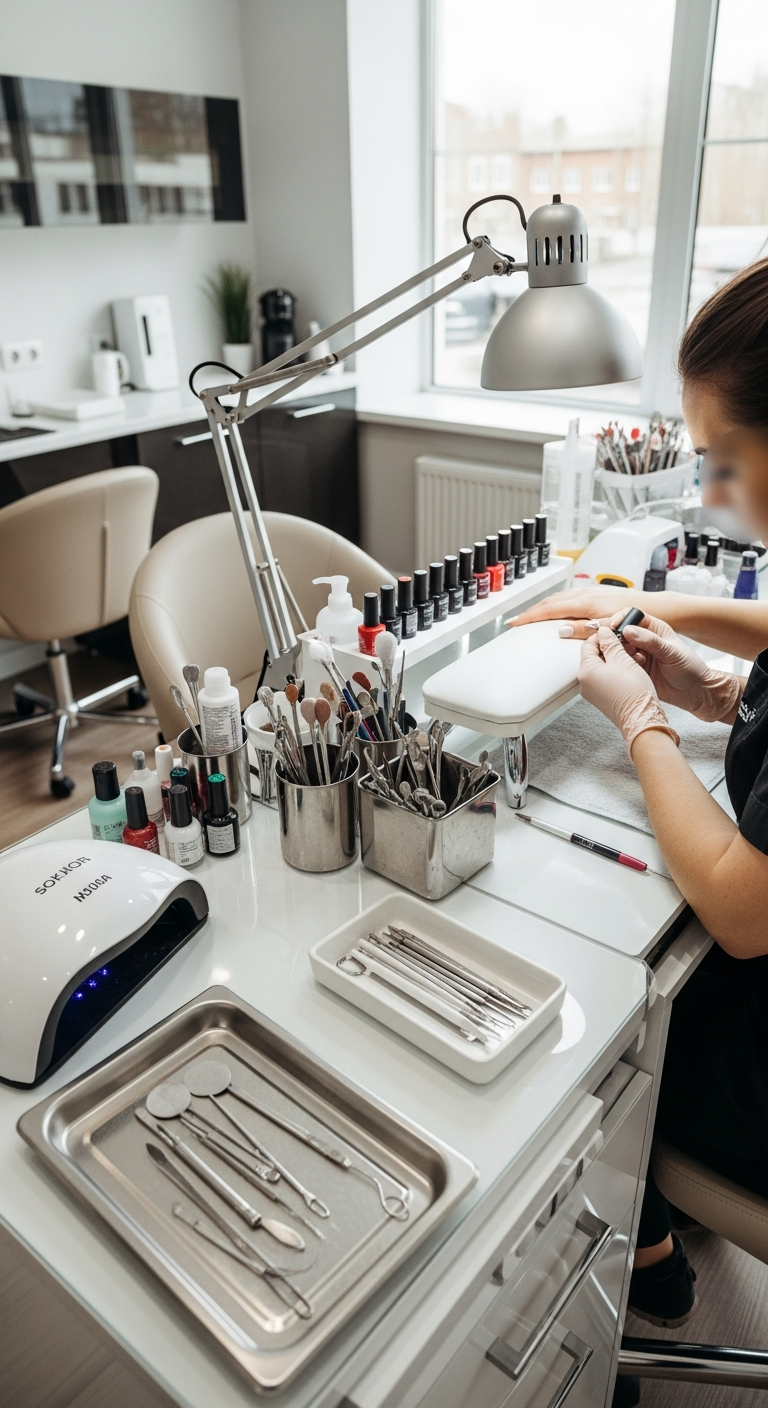
- Station Preparation: Pre-service setups must include sanitized implements and fresh towels.
- Chemical Handling: Standardize the amount of monomer or gel used per service to control costs.
- Safety Protocols: Mandatory disinfection steps between clients must be non-negotiable for all staff.
Optimizing Nail Technician Scheduling and Performance
Managing the daily floor requires a balance between walk-in traffic and pre-booked nail appointments.
Effective scheduling prevents technician burnout while maximizing the number of services performed per day.
A clear rotation system ensures fair distribution of clients among the nail staff.
Performance tracking should focus on technical speed without sacrificing the integrity of the nail.
Monitoring the time taken for a standard refill helps identify technicians who may need additional training.
Consistently slow service times can lead to bottlenecks and lost revenue during peak hours.
Managing Daily Transitions and Workflow
The transition time between nail clients is where many salons lose profitability.
Technicians should have a five-minute window to clean their desk and reset for the next service.
Efficient workflows require that all necessary supplies are stocked at each nail station every morning.
Revenue Tracking and Backbar Cost Management
Professional nail salon owners must track the cost of goods sold for every service category.
Overusing high-cost products like specialized builder gels or designer nail art supplies can erode margins.
Implementing a backbar inventory system prevents waste and ensures supplies are available when needed.
- Daily Totals: Review service revenue and retail sales at the end of every business day.
- Product Audits: Weekly counts of liquid and powder inventory prevent emergency supply shortages.
- Waste Control: Monitor technicians to ensure they are not dispensing more product than required.
Solving Common Internal Operational Challenges
Communication gaps between the front desk and nail technicians often lead to double bookings.
Clear protocols for checking in clients and updating service status are essential for a smooth operation.
Addressing these internal issues immediately maintains a professional environment for both staff and clients.
