Maximizing Nail Salon Operational Efficiency
Nail salon operations refer to the management of daily workflows, technician scheduling, and service protocols within a professional nail facility. Effective operational systems prioritize consistent service quality, rigorous sanitation standards, and structured revenue tracking to ensure long-term profitability and high client retention in a competitive nail industry market.
Implementing Standard Operating Procedures for Nail Services
Standard Operating Procedures provide a roadmap for every nail technician in the building. These protocols ensure that a gel manicure or acrylic full set meets the same quality level regardless of who performs the service.
Clear SOPs reduce errors and minimize the time spent on corrections. By standardizing the preparation, application, and finishing phases of each nail service, owners can maintain high brand standards.
Consistency is the foundation of client loyalty in the nail industry. When clients know exactly what to expect from their nail service, they are more likely to become recurring revenue sources.
Optimizing Daily Nail Technician Workflows
Daily nail salon workflows must account for client check-ins, service duration, and essential cleanup time. Proper timing prevents scheduling bottlenecks that frustrate both staff and clients.
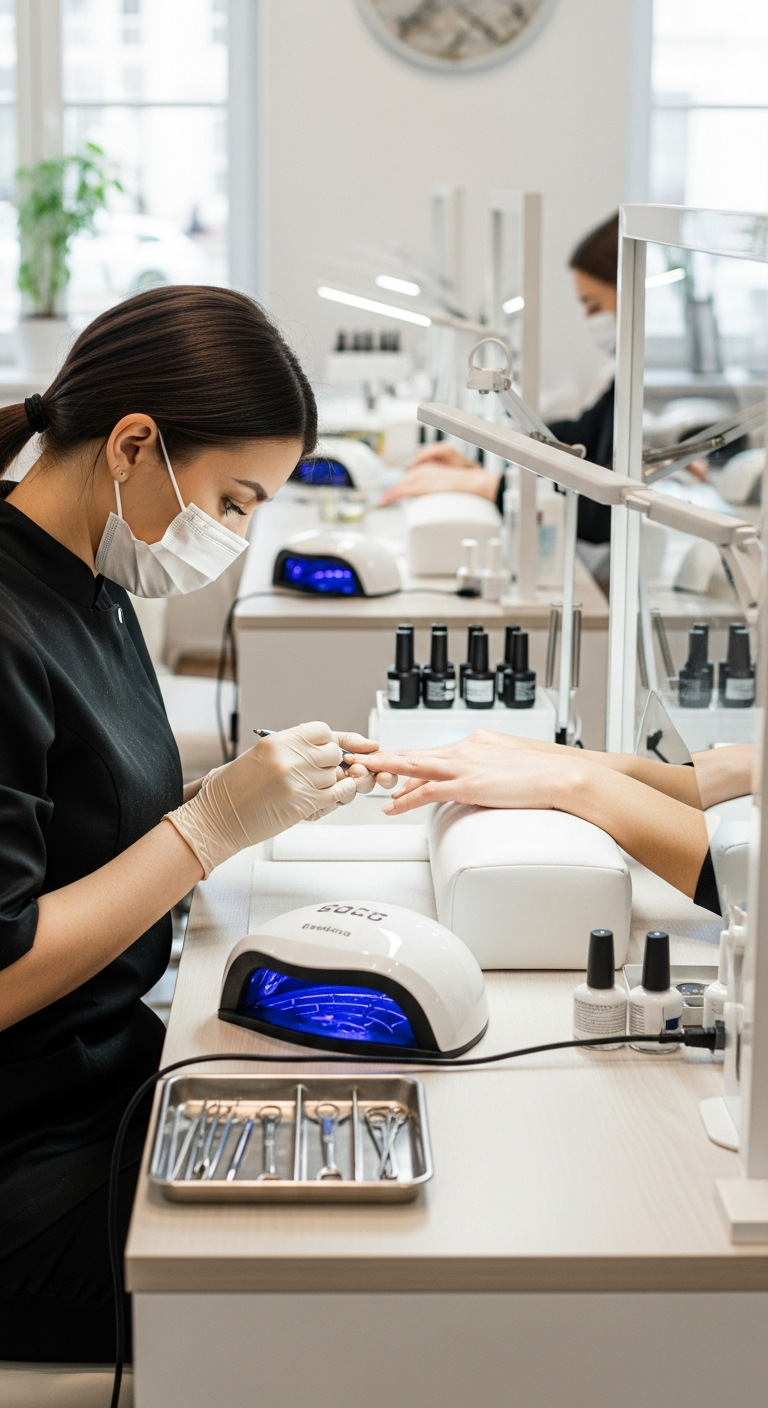
Assigning specific roles for station preparation ensures that every nail table is stocked with fresh towels, sanitized implements, and necessary chemicals before the first appointment begins.
Efficient workflows also include a plan for managing walk-in clients without disrupting the flow of scheduled nail appointments. This balance is key to maximizing daily floor productivity.
Streamlining Station Turnover and Sanitation
Rapid station turnover is critical for maintaining a high-volume nail salon schedule. Technicians must follow a strict sanitation checklist between every client to meet state board requirements.
Effective turnover involves clearing debris, disinfecting the nail lamp, and replacing used files. This disciplined approach protects client safety and keeps the salon floor organized during peak hours.
Organized workstations allow the nail professional to transition between services seamlessly. A tidy environment reflects professional standards and improves the overall perception of the business.
Revenue Tracking and Cost Management in Nail Salons
Tracking daily revenue requires a granular look at service sales versus professional product usage. Monitoring the consumption of nail monomers, polymers, and gels helps control overhead costs.
Owners should analyze which nail services yield the highest profit margins after accounting for labor and supplies. This data informs future menu pricing and promotional strategies for the business.
Labor is often the highest expense in a nail salon operation. Aligning staff schedules with peak demand periods ensures that the salon is not overstaffed during slow hours or understaffed during rushes.
Managing Staff Performance and Service Standards
Regular performance reviews ensure that nail technicians adhere to the established salon workflows. Consistent feedback helps identify areas where technical speed or service quality needs improvement.
Maintaining high service standards across the entire team builds client trust. When every nail professional follows the same operational guidelines, the salon functions as a cohesive and efficient unit.
Focusing on internal operational strength allows nail salon owners to scale their business. Solid systems provide the stability needed to handle increased client volume and technical complexity.
