Nail Salon Service Consistency through Standard Operating Procedures
Nail salon service consistency is achieved by implementing standard operating procedures (SOPs) that define every step of a nail service. These protocols ensure that every technician delivers uniform results, regardless of skill level, while maintaining strict sanitation standards and professional application techniques across all manicure and pedicure offerings.
Establishing Professional Nail Service Workflows
A successful nail salon relies on predictable workflows that guide a technician from client greeting to the final top coat application. Standardizing the sequence of prep, shaping, and cuticle work prevents service time fluctuations.
Consistency in the nail preparation phase reduces the risk of lifting or product failure. When every technician follows the same filing and buffing steps, the salon maintains a reputation for durable, high-quality results.
Documenting these workflows allows management to identify where bottlenecks occur during busy shifts. Clear instructions help maintain a steady pace without compromising the integrity of the nail enhancement or polish application.
Managing Nail Technician Performance and Accountability
Staff scheduling must align with technician skill sets and the specific duration of nail services. Performance control is maintained by comparing individual service times against the established salon standards.
Regular technical audits ensure that all staff members adhere to the approved nail application methods. This prevents technicians from cutting corners that could impact client safety or the longevity of the service.
Daily Operational Service Checklists
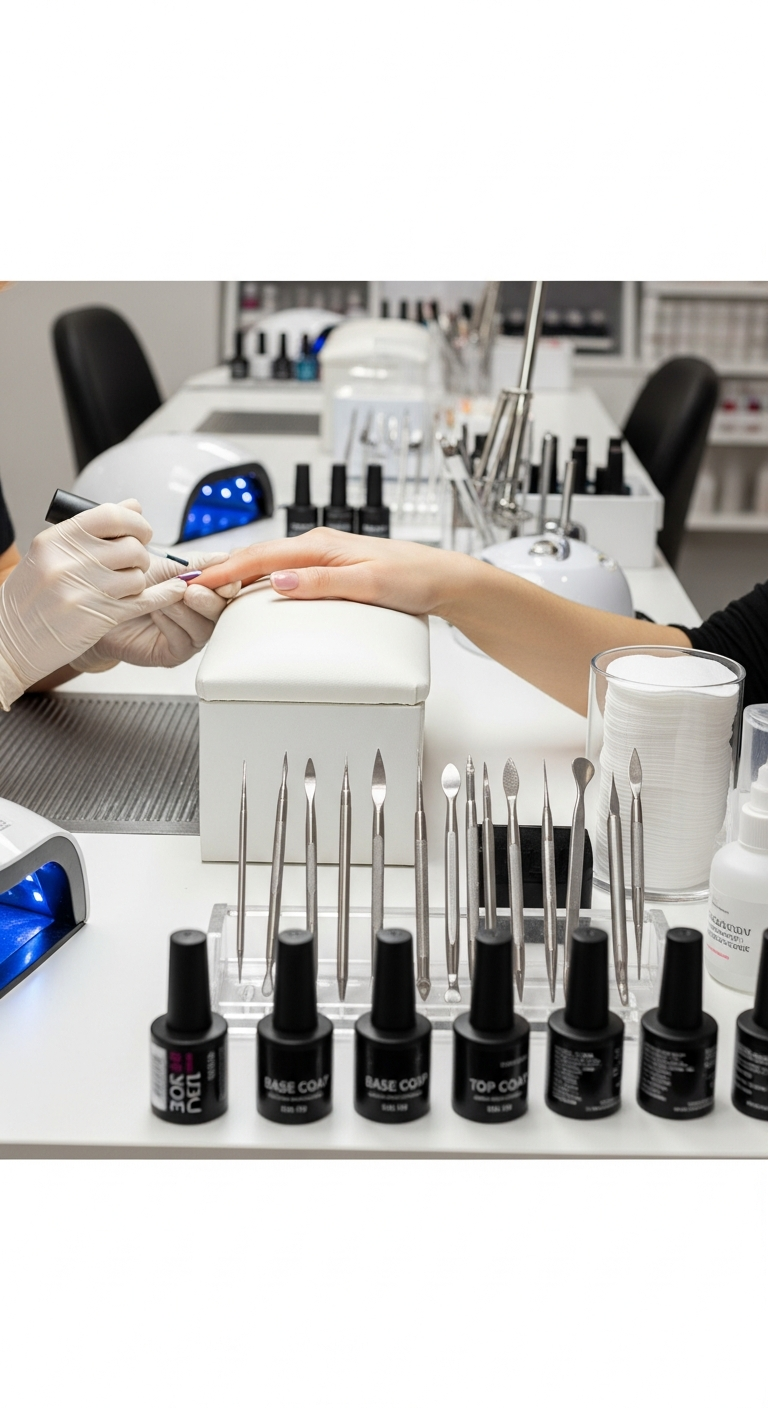
- Station Setup: Ensuring all nail files, buffers, and implements are sanitized and arranged before the first client.
- Sanitation Logs: Documenting the cleaning of pedicure basins and tool sterilization cycles between every nail service.
- Inventory Check: Verifying that essential nail liquids, powders, and gels are adequately stocked for the day’s appointments.
Cost Management and Product Usage Control
Revenue tracking is directly tied to how efficiently a nail salon manages its professional supplies. Overusing monomer, gel, or specialized treatments can significantly erode the profit margins of a service.
Standardized dispensing protocols help control costs by defining the exact amount of product required for various nail lengths and shapes. This ensures that the cost per service remains within the budgeted range.
Reducing Waste in Professional Nail Services
Technicians should be trained to use ergonomic dispensing tools that minimize product evaporation and spills. Managing the consumption of high-cost items like nail art pigments and structural gels is vital for financial health.
Internal operational reviews should include a monthly analysis of product orders versus total nail services performed. Discrepancies often highlight the need for further staff training on proper product application and waste reduction.
Service Quality and Internal Problem Solving
Operational problems often arise when there is a disconnect between management expectations and technician execution. Regular team meetings should focus on resolving technical challenges and refining nail service protocols.
Maintaining a centralized manual of nail service SOPs provides a reference point for resolving disputes regarding service quality. This documentation serves as the foundation for training new hires and upskilling existing nail staff.
By prioritizing operational discipline, a nail salon can scale its services while maintaining the high standards required in the competitive U.S. professional nail market.
