Effective Nail Salon Operations and Workflow Management
Nail salon operations involve the systematic management of daily workflows, staff scheduling, and service protocols to ensure professional consistency. Standardizing nail service procedures minimizes errors, maximizes revenue per station, and maintains high safety standards. Effective operations focus on optimizing technician performance and resource allocation within the professional salon environment.
Standardizing Nail Service Protocols for Consistency
Consistency is the foundation of a successful nail business. Every technician must follow the same technical steps for every service, from basic manicures to complex enhancements.
Establishing clear standard operating procedures (SOPs) ensures that every client receives the same quality. This uniformity builds brand trust and prevents service variations that confuse customers.
SOPs should detail the exact amount of product used per service. This control prevents product waste and allows management to calculate accurate service margins and overhead.
Optimizing Daily Workflows and Station Management
A productive nail salon relies on a smooth transition between clients. Management must oversee the station turnover process to ensure technicians remain on schedule throughout the day.
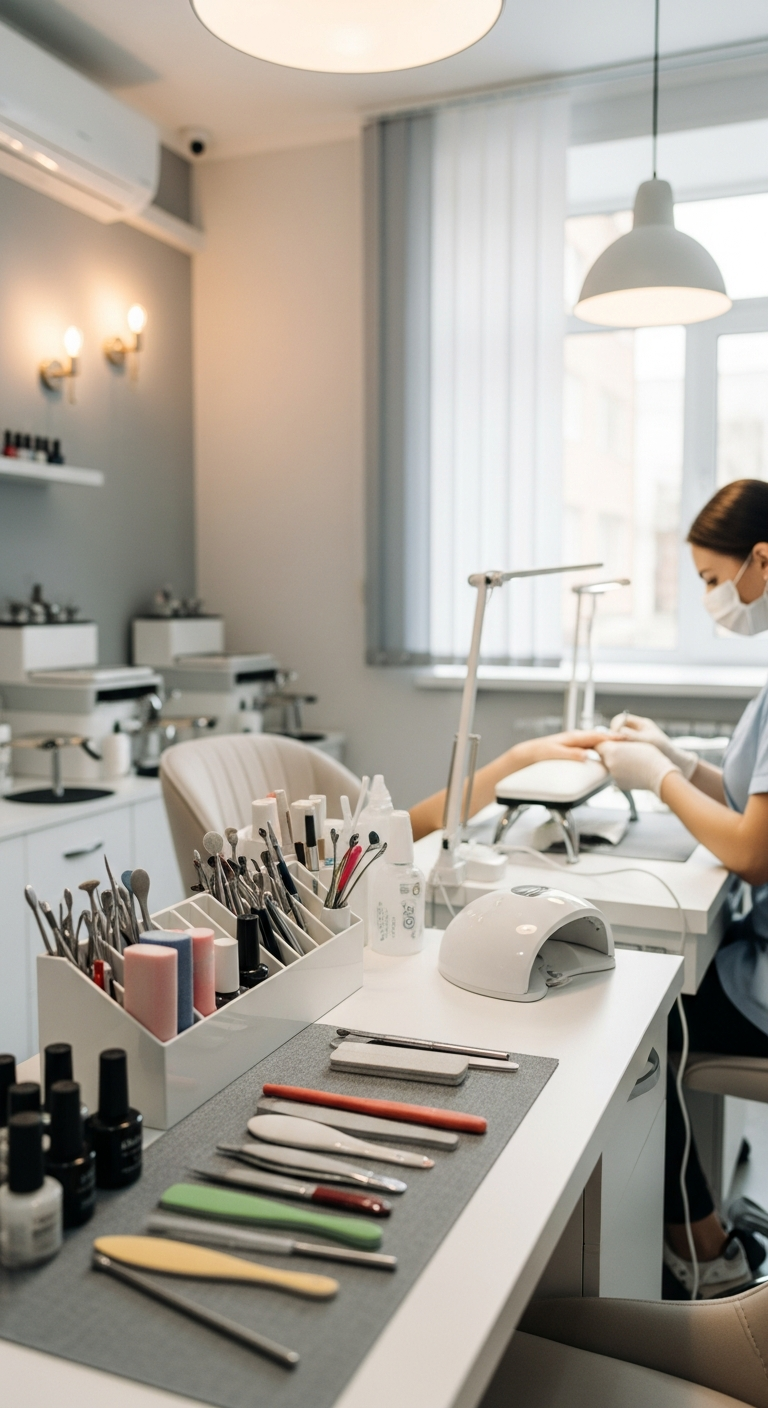
Technicians should have a pre-defined setup for their nail tables. This includes specific placement for files, buffers, and implements to minimize movement and reduce service time.
Efficient workflows also include designated times for station sanitation between appointments. This ensures the nail salon remains compliant with state board regulations without disrupting the flow.
Managing Staff Scheduling and Performance
Staffing levels must align with peak service hours to maximize the nail salon’s earning potential. Management should analyze historical data to predict busy periods and adjust shifts.
Performance tracking focuses on service completion times and client retention rates. Technicians who consistently meet time targets contribute more to the overall salon revenue and stability.
Rotation systems for walk-in clients must be fair and transparent. A clear system prevents internal conflict and ensures all nail technicians have an opportunity to build their books.
Inventory Control and Supply Management
Effective nail salon management requires strict oversight of backbar inventory. Professional products represent a significant ongoing cost that must be monitored weekly.
Implement a checkout system for high-cost items like gel polishes, acrylic monomers, and specialized treatments. This prevents shrinkage and ensures supplies are always available for services.
Monthly audits of nail supplies help identify which products are moving and which are sitting idle. Reducing dead stock frees up capital for more profitable salon investments.
Professional Sanitation and Safety Standards
Operational excellence includes maintaining rigorous sanitation logs. Every nail station, pedicure bowl, and implement set must be processed according to strict safety guidelines.
Daily checklists ensure that nothing is overlooked during the morning setup or evening closing. Cleanliness directly impacts the professional reputation of the nail salon and technician morale.
Regular inspections of sterilization equipment, such as autoclaves or dry heat sterilizers, are mandatory. Documenting these processes protects the business from liability and ensures client safety.
