Professional Nail Salon Operations and Workflow Management
Nail salon daily workflows are standardized operational procedures that ensure consistent service delivery, professional sanitation, and technician efficiency. These workflows involve coordinating client appointments, managing technical stations, and maintaining strict safety protocols to maximize revenue while providing high-quality nail enhancements and natural nail care services.
Standardizing Daily Nail Salon Workflows
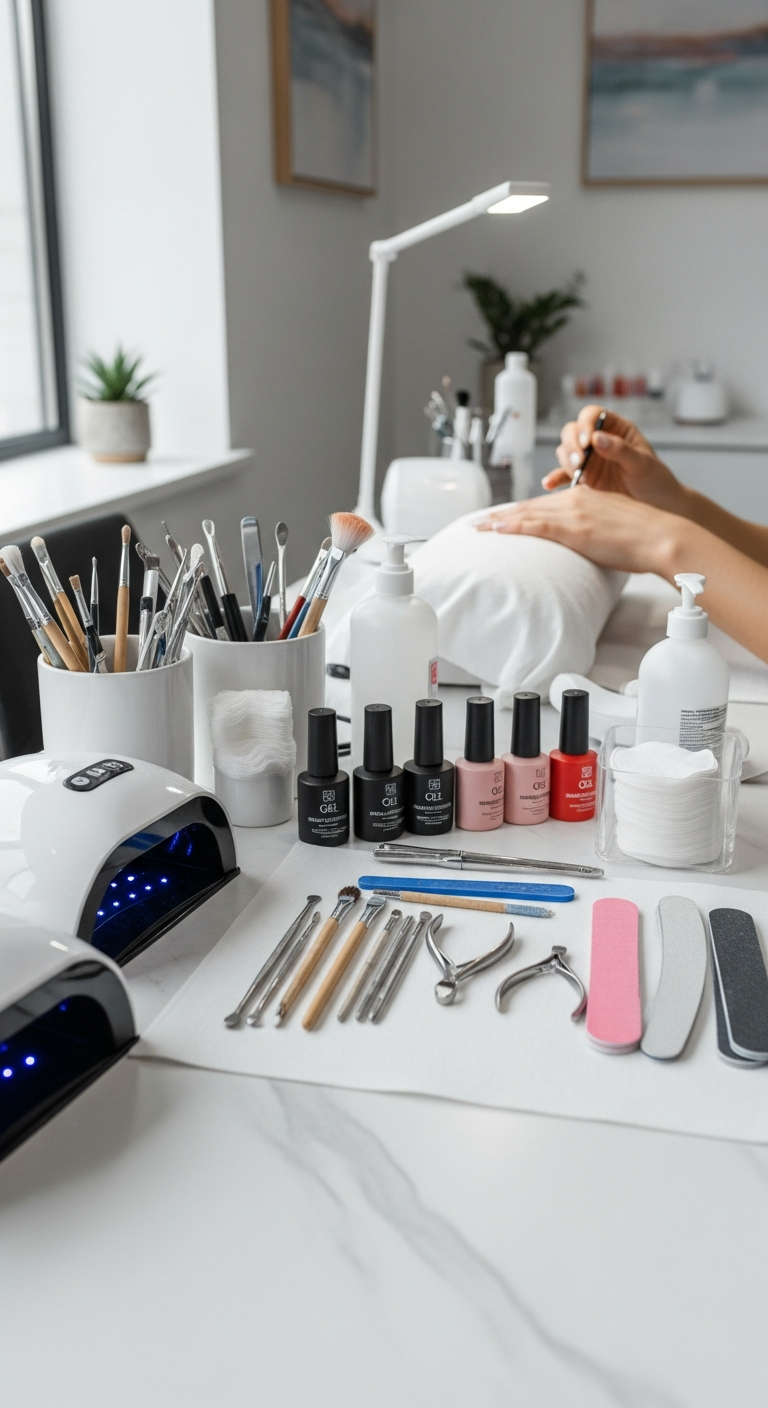
A structured nail salon workflow begins with a morning preparation checklist. Technicians must verify that all pedicure basins and manicure stations meet professional hygiene standards before the first client arrives.
Consistency in the nail industry relies on every technician following the same preparation steps. This includes checking the availability of liquid monomers, polymer powders, and sanitized implements for each station.
During peak hours, a defined transition protocol between clients prevents bottlenecks. Technicians must have a clear system for cleaning their workspace and resetting for the next nail service without delaying the schedule.
Implementing Service SOPs for Consistency
Standard Operating Procedures (SOPs) ensure that every nail client receives the same quality of work regardless of which technician performs the service. This protects the reputation of the nail salon.
SOPs should cover every technical step, from the initial consultation and nail plate preparation to the final application of cuticle oil. This prevents variations in service duration and product usage.
Professional nail brands often require specific application techniques. Creating a manual for these techniques ensures that the entire staff maintains the integrity of the chemical systems used in the salon.
Managing Nail Technician Performance and Schedules
Staff scheduling must align with historical data regarding client volume. High-traffic periods in the nail industry typically require full coverage to maximize the use of every available manicure table.
Tracking the time each technician takes for specific nail services helps in refining the booking system. This data allows for a more accurate appointment calendar and reduces client wait times.
Performance reviews should focus on technical skill, retention rates, and adherence to salon sanitation protocols. This maintains a professional environment and encourages growth within the nail team.
Revenue Tracking and Cost Management
Effective nail salon management requires close monitoring of daily revenue. This involves tracking service sales, retail commissions, and the cost of professional nail supplies used during treatments.
Waste management is a significant factor in salon profitability. Controlling the distribution of high-cost items like gel polishes and acrylic systems prevents excessive product consumption and stabilizes margins.
Regular inventory audits are essential to ensure the nail salon never runs out of core essentials. Maintaining a lean but sufficient stock of professional chemicals prevents service interruptions and lost revenue.
Maintaining Professional Safety Standards
Safety and sanitation are the foundation of any successful nail business. Operational workflows must prioritize the sterilization of metal implements and the disposal of single-use items after every client.
Technicians must be trained in the proper handling of professional nail chemicals. This includes understanding Material Safety Data Sheets (MSDS) and maintaining adequate ventilation within the salon space.
Standardized cleaning cycles for pedicure foot spas are mandatory to comply with state regulations. Clear logs must be maintained to document every cleaning cycle performed throughout the day.
