Optimizing Nail Salon Operational Standards
Nail salon operational standards are documented protocols that define service quality, sanitation procedures, and workflow management within a professional facility. These standards ensure consistent technical results and safety compliance across all technicians, directly impacting client retention and long-term business profitability in the competitive United States market.
Establishing Daily Nail Salon Workflows
A structured daily workflow prevents operational bottlenecks and reduces technician stress during peak hours. Professional environments rely on strict opening and closing checklists to maintain order.
Morning Preparation and Station Setup
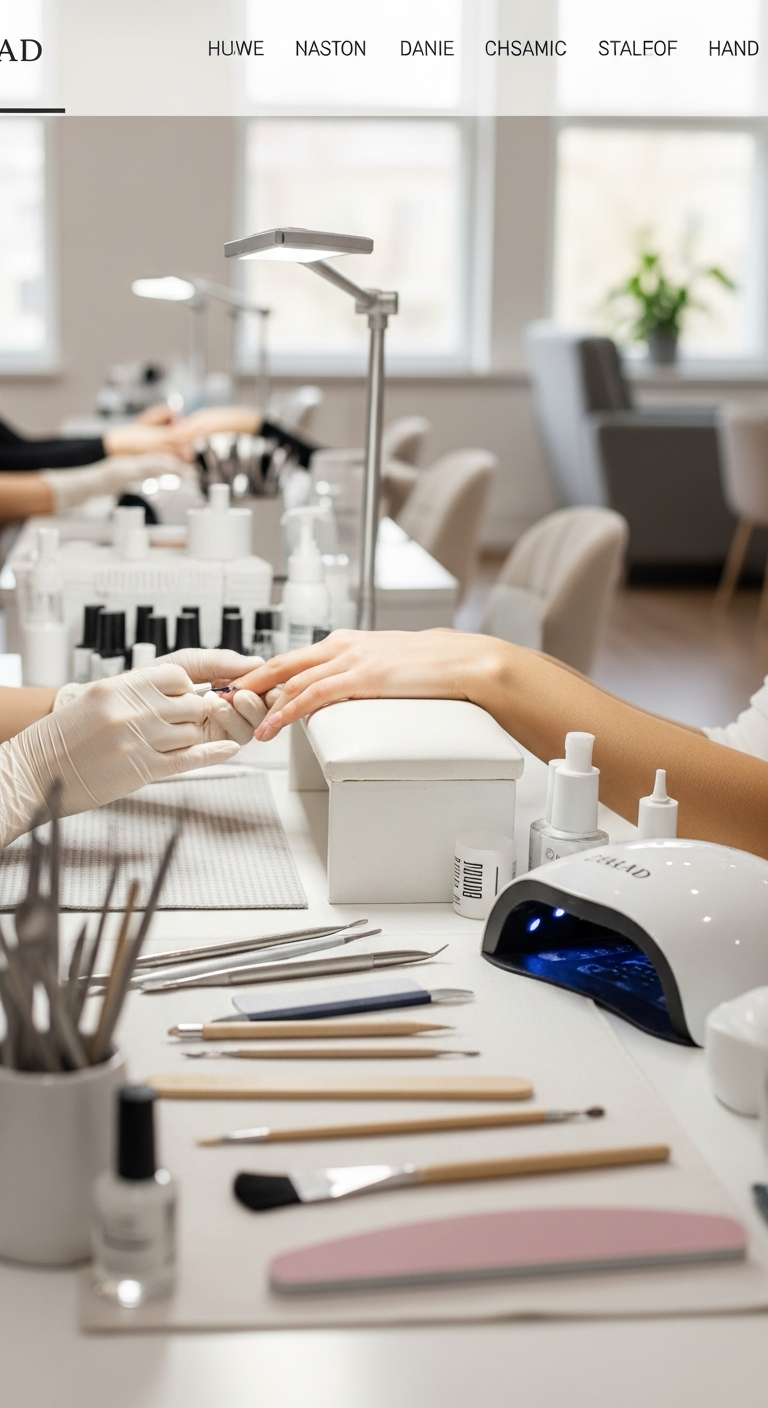
Technicians must arrive early to prepare their nail stations, ensuring all implements are sterilized and chemicals are replenished. This preparation prevents service delays and maintains a professional atmosphere.
Station readiness includes checking UV lamps, organizing professional files, and verifying that the ventilation system is functioning correctly. Proper setup dictates the flow of the entire workday.
Mid-Day Turnover and Sanitation Cycles
Effective nail salon management requires designated time blocks for sanitation between every client appointment. This includes disinfecting foot basins and cleaning non-porous tools according to state board regulations.
Maintaining a clean environment is a core operational requirement that protects both the staff and the clientele. Systematic turnover prevents cross-contamination and ensures a safe workspace.
Maintaining Nail Service Consistency Through SOPs
Standard Operating Procedures (SOPs) are essential for delivering the same quality of work regardless of which technician performs the service. Consistency builds trust with the local community.
Standardizing Application Techniques
Every nail technician should follow the same steps for prep, product application, and finishing. This uniformity ensures that every set of nails lasts the expected duration without lifting.
Standardization reduces product waste and helps owners calculate the exact cost of goods for every service provided. This data is vital for maintaining healthy profit margins.
Implementing Quality Control Checkpoints
Owners should implement internal quality checks to monitor the technical output of the staff. Reviewing shaping, cuticle work, and color application helps identify areas needing improvement.
Regular feedback sessions based on these checkpoints foster a culture of professional excellence. High standards discourage shortcuts that could compromise the integrity of the nail plate.
Staff Performance and Schedule Management
Managing a diverse team of nail technicians requires clear expectations regarding attendance and performance metrics. Scheduling must balance labor costs with anticipated client volume.
Effective Shift Coordination
Shift schedules should account for the different speeds and specialties of each nail professional. Proper distribution of appointments prevents technician burnout and minimizes client wait times.
Labor is the highest expense in most facilities, making efficient scheduling a priority for revenue management. Tracking peak hours helps in optimizing the number of active stations.
Monitoring Service Timing
Every nail service must have a target completion time to keep the daily schedule on track. Technicians should be trained to work efficiently without rushing the technical application.
- Full sets should typically range from 60 to 90 minutes.
- Maintenance fills usually require 45 to 60 minutes.
- Natural nail services should be completed within 30 to 45 minutes.
Adhering to these timeframes ensures maximum chair occupancy and improves the overall daily revenue potential. Time management is a critical component of professional nail salon operations.
