Nail Salon SOPs for Service Consistency
Nail salon SOPs are standardized operational procedures that define every step of a nail service to ensure consistency across all technicians. These protocols cover technical execution, sanitation requirements, and client interaction standards to maintain high service quality, reduce material waste, and stabilize revenue growth within a professional salon environment.
Establishing Daily Nail Salon Workflows
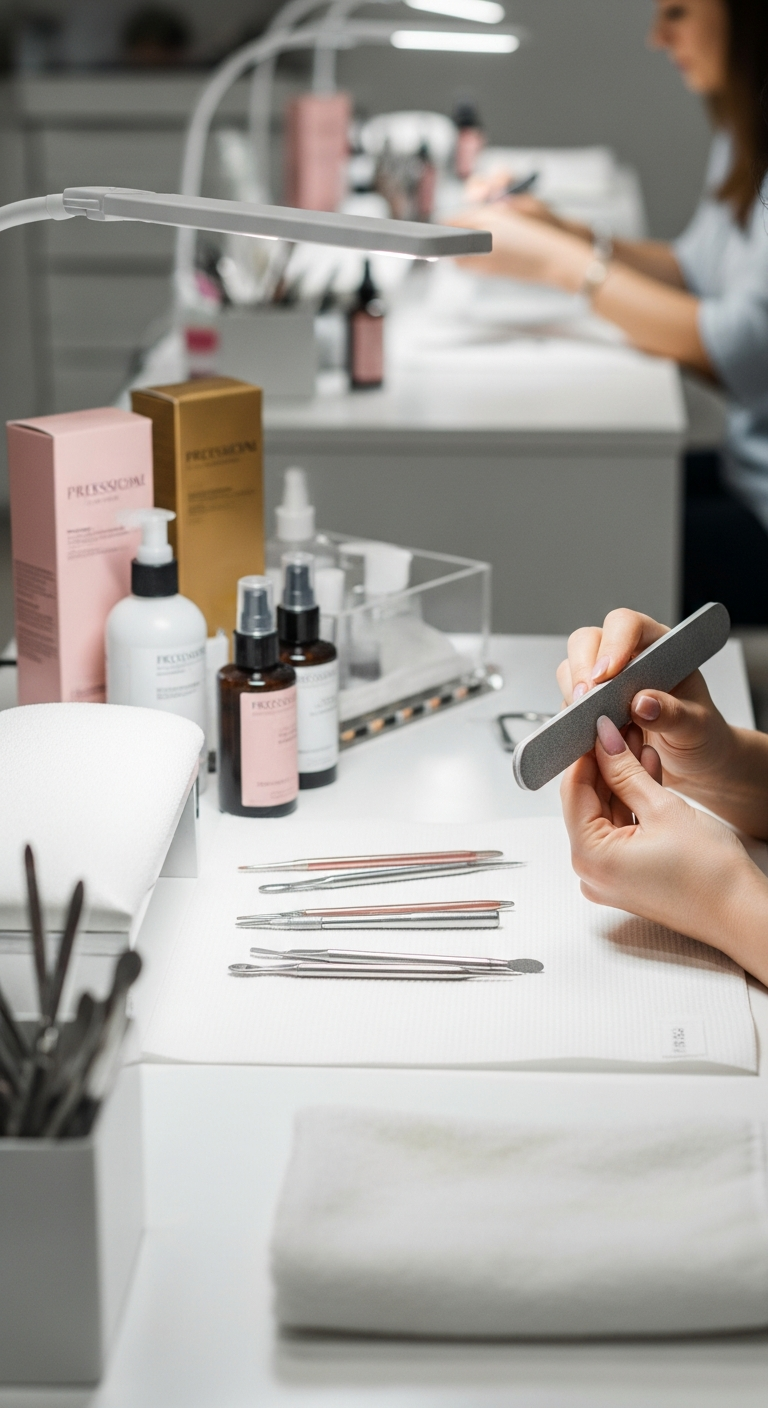
A structured morning workflow ensures the salon is prepared for the first client. Technicians must restock stations with clean implements, fresh towels, and necessary liquids like monomer or alcohol.
The reception area must sync with the technician schedule to prevent bottlenecks. Managing the transition between a finished pedicure and a new acrylic full set requires precise timing and station turnover.
Closing duties are equally critical for operational health. This includes deep cleaning foot basins, reconciling daily service sheets, and preparing the sanitation area for the following business day.
Managing Nail Technician Performance and Schedules
Effective scheduling balances technician availability with peak client demand. Managers must track the average time each professional takes for specific services like gel manicures or dip powder applications.
Performance control involves regular audits of technical execution. Consistency is achieved when every nail professional follows the same prep and application steps, regardless of their individual experience level.
Rotation systems for walk-in clients help maintain a fair work environment. This system ensures all technicians have equal opportunities to meet their daily revenue targets while maintaining salon standards.
Service Consistency and Technical Protocols
Service consistency is the foundation of client retention in the nail industry. Clients expect the same shape, durability, and finish every time they visit the salon, regardless of the assigned technician.
Standardizing the prep process prevents lifting and service failures. Professional protocols should dictate the exact grit of files used and the specific steps for cuticle management and nail plate dehydration.
Uniformity in product application also protects the salon profit margins. When every technician uses the same amount of product per service, the owner can accurately predict inventory depletion and overhead costs.
Revenue Tracking and Cost Management
Tracking daily revenue involves monitoring service totals, add-on sales, and technician commissions. Accurate record-keeping allows owners to identify which services are most profitable for the nail salon.
Cost management focuses on reducing product waste and controlling labor expenses. High-cost items like professional gel systems and specialized monomer must be monitored to ensure they align with service volume.
Internal Operational Solutions
Operational problems often arise from a lack of clear communication regarding salon rules. Written SOPs provide a reference point for technicians regarding professional conduct, dress codes, and sanitation mandates.
Solving internal friction requires a commitment to the established workflow. Regular staff meetings focused on technical refinement and operational updates keep the entire nail team aligned with the salon business goals.
