Optimizing Nail Salon Operations for Better Revenue
Nail salon operations rely on standard operating procedures (SOPs) to ensure every service meets professional quality benchmarks. These protocols govern everything from greeting clients to technical execution and sanitation. Implementing structured nail workflows reduces service variability, minimizes waste, and stabilizes revenue by ensuring consistent outcomes across different technicians and shifts.
Establishing Service Consistency in the Nail Salon
Consistency is the foundation of a successful nail business. Clients expect the same high-quality result regardless of which technician performs the service.
Defining Technical Standards for Nail Services
Create a detailed manual that outlines the specific steps for every nail service offered. This includes the exact grit of files used and the required curing times for gel products.
Uniformity in technical execution prevents service breakdowns and reduces the frequency of unpaid repairs. It also allows the owner to accurately predict the duration of each appointment.
Managing Daily Workflow and Staff Scheduling
Efficient nail salon management requires a deep understanding of peak hours and technician capacity. Scheduling must align with historical data to avoid overstaffing during slow periods.
Optimizing Turnaround Times
Every minute a nail station sits empty represents lost revenue. Technicians should be trained to transition between clients quickly while maintaining strict sanitation standards.
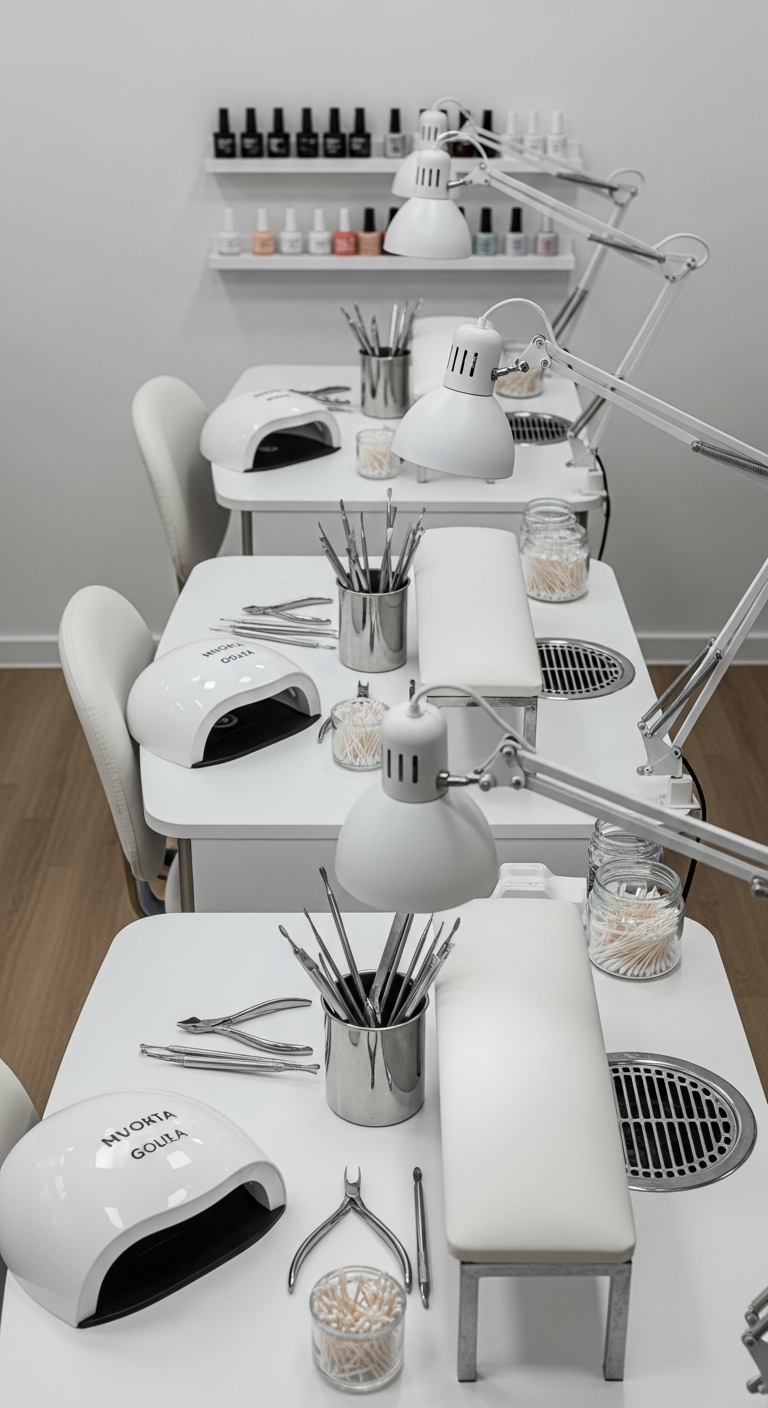
Standardizing the setup and breakdown of nail stations ensures that the next client can be seated immediately. This increases the total number of services performed per shift.
Revenue Tracking and Cost Management Protocols
Profitability in the nail industry is often determined by the ability to control overhead and product usage. Small leaks in product costs can significantly impact the bottom line.
Controlling Product Consumption and Waste
Professional nail products are significant expenses that require careful monitoring. Owners should implement dispensing protocols to ensure technicians use the correct amount of monomer, gel, or polish.
Excessive product usage not only increases costs but can also lead to service failures. Regular inventory audits help identify discrepancies and prevent internal theft or waste.
Internal Operational Challenges and Solutions
Communication gaps between the front desk and the nail technicians often lead to scheduling conflicts. Clear protocols for handling walk-ins and late arrivals are essential.
Developing a standardized response for common operational hurdles ensures that the salon continues to function smoothly. This reduces stress for the staff and maintains a professional atmosphere.
- Implement a daily opening and closing checklist for all nail staff.
- Conduct monthly performance reviews based on service speed and client retention.
- Monitor the ratio of labor costs to total nail service revenue weekly.
Refining these operational elements creates a scalable business model. A well-managed nail salon operates independently of the owner’s constant physical presence at the station.
