Optimizing Nail Salon Operations and Workflow
Professional nail salon operations require structured workflows and Standard Operating Procedures (SOPs) to ensure consistent service delivery. By implementing rigorous daily protocols for technician scheduling, sanitation cycles, and inventory tracking, nail salon owners can reduce service variability and maximize daily revenue while maintaining high-quality results for every client.
Daily Nail Salon Workflow Management
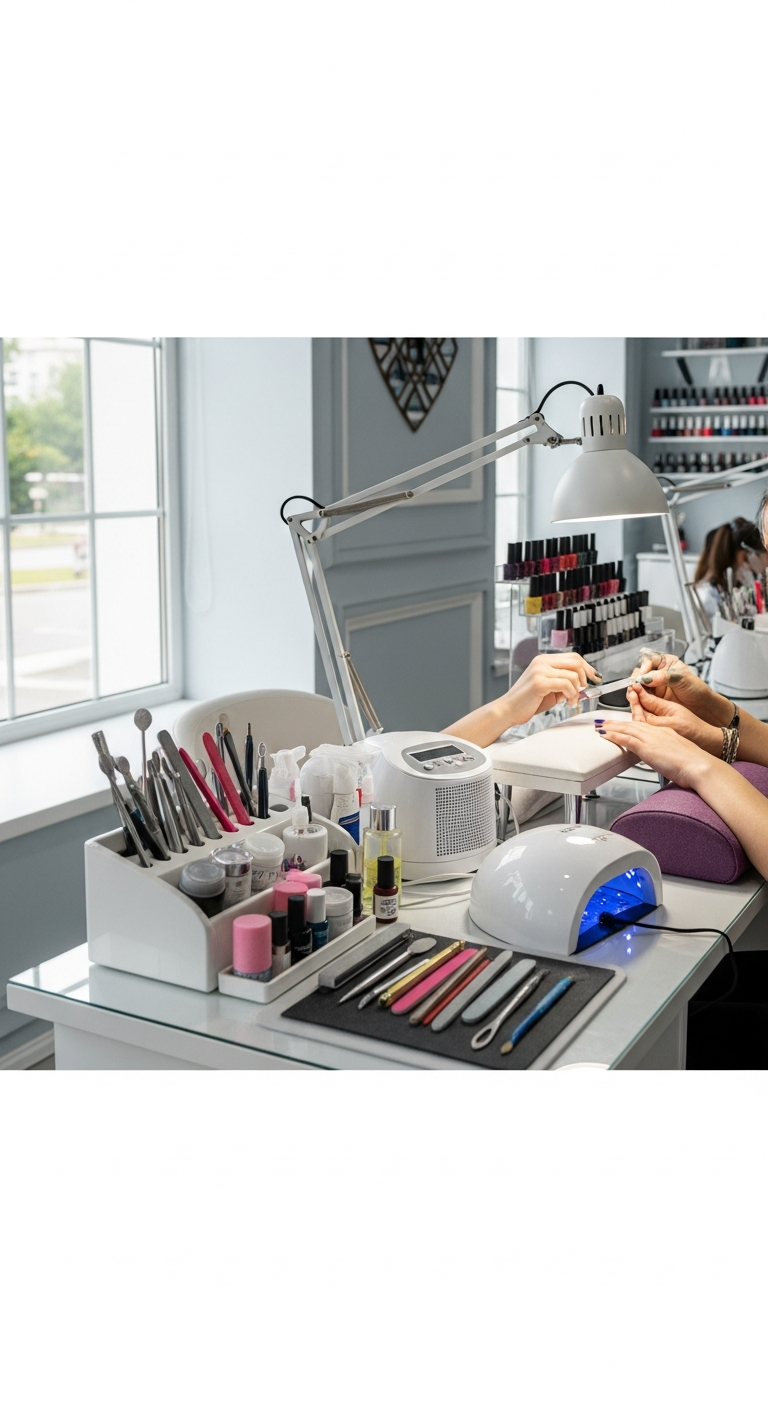
A structured daily workflow is essential for maintaining order in a high-volume nail salon. This begins with a pre-opening checklist that ensures all workstations are fully stocked and sanitized before the first client arrives.
Technicians must follow a specific sequence for each service, from the initial consultation to the final application of cuticle oil. This consistency prevents timing overlaps and ensures the front desk can manage the appointment book accurately.
Mid-day transitions between morning and evening shifts require clear hand-off protocols. Ensuring that used implements are processed through the autoclave or chemical disinfectant without delay maintains the required tool rotation for the next technician.
Establishing Service Consistency Through SOPs
Service consistency is the foundation of a successful nail business. Without Standard Operating Procedures (SOPs), the quality of a gel manicure or acrylic set varies significantly between different staff members.
Effective SOPs should detail the exact products and techniques used for every service on the menu. This includes specific prep steps, layer thickness for coatings, and standardized curing times to prevent premature lifting or peeling.
Implementing a technical grading system allows owners to monitor whether technicians are adhering to these standards. Regular audits of finished sets help identify where additional training is needed to maintain the salon’s reputation.
Staff Scheduling and Performance Tracking
Managing staff schedules in a nail salon requires balancing peak demand hours with labor cost controls. Overstaffing during slow midweek mornings reduces profitability, while understaffing on weekends leads to lost walk-in revenue.
Performance tracking should focus on key metrics such as service time efficiency and retail attachment rates. Monitoring the average time a technician takes for a full set helps in creating a more realistic and profitable booking schedule.
Revenue tracking by technician allows owners to identify top performers and those who may need coaching on upsell techniques. This data is vital for calculating commissions and managing U.S. payroll taxes accurately.
Managing Supply Costs and Inventory
Controlling the cost of professional nail products is critical for maintaining healthy profit margins. Owners must track the usage of high-cost items like monomer, polymer, and specialized gel systems to prevent waste.
Establishing a “first-in, first-out” inventory system ensures that products do not expire on the shelf. This is particularly important for UV gels and chemical solvents that have specific shelf lives and storage requirements.
Weekly inventory counts help identify patterns of over-consumption or potential theft. By setting par levels for essential items like files, buffers, and towels, the salon can avoid emergency shipping costs and service interruptions.
Operational Troubleshooting and Solutions
Internal operational problems often stem from poor communication between the front desk and the technical staff. Clear protocols for handling late arrivals or service complaints must be established to prevent workplace friction.
When a service failure occurs, such as a broken nail within the first week, the salon should have a documented repair policy. This ensures the client is handled professionally while the owner tracks the cause of the technical failure.
Regular staff meetings should focus on operational bottlenecks, such as slow drying times or equipment maintenance. Addressing these issues promptly ensures the nail salon remains a functional and professional environment for both staff and clients.
