Standard Operating Procedures for Nail Salon Consistency
Nail salon standard operating procedures (SOPs) are the specific sets of instructions that govern daily workflows, technical service execution, and sanitation standards within a nail business. These protocols ensure consistent nail application quality across different staff members while maintaining safety regulations and optimizing appointment timing to maximize daily salon revenue.
Establishing Daily Nail Salon Workflows
A structured daily workflow prevents chaos during peak hours. Each nail technician should have a checklist for station setup that includes replenishing disinfectants and organizing files.
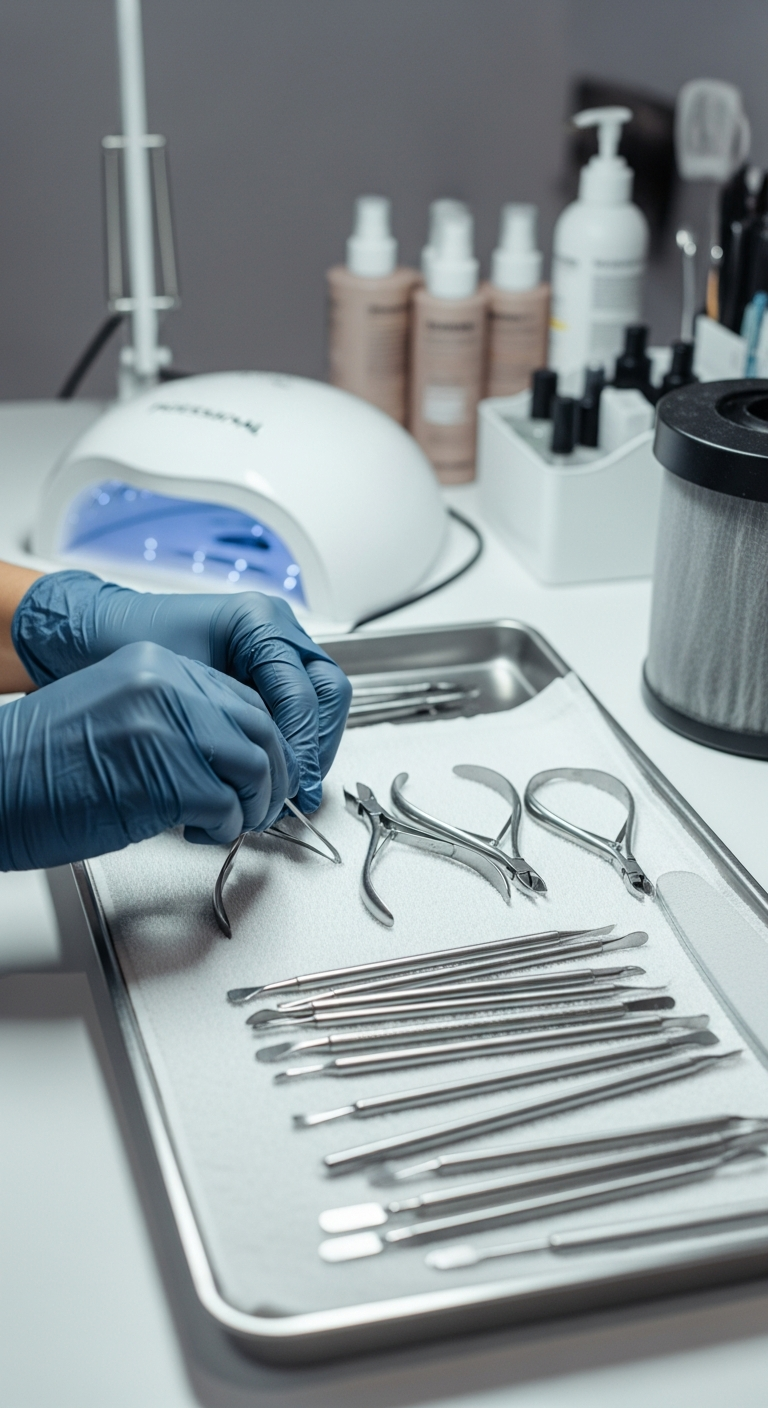
Morning routines must focus on environmental readiness. This involves checking ventilation systems, verifying the sterilization of implements, and ensuring all nail monomer and polymers are stocked.
Closing procedures are equally vital for operational health. Technicians must follow a strict sanitation protocol for pedicure bowls and workstation surfaces to meet state board requirements.
Standardizing Technical Nail Service Protocols
Service consistency is the foundation of a successful nail salon. Every technician must follow the same steps for nail plate preparation to prevent premature product lifting.
Documented protocols should outline the exact amount of product to be used per service. This helps management track cost per service and reduces waste of expensive nail gels and acrylics.
Consultation standards ensure that the client’s nail health is assessed before any chemical application. This step protects the salon from liability and improves the client experience.
Staff Scheduling and Performance Control
Effective scheduling requires understanding the average duration of each nail service. Management must set time limits for specific tasks like acrylic fills or gel manicures.
Tracking the speed and accuracy of each nail technician allows for better appointment booking. Technicians who struggle with timing should receive targeted technical training to maintain the salon schedule.
Performance reviews should be based on these operational standards. Consistency in nail shaping, application thickness, and cuticle cleanliness should be measured against the salon’s master SOP.
Revenue Tracking and Cost Management
Internal operational success depends on accurate revenue tracking. Every nail service performed must be logged immediately to monitor daily takings and technician commissions.
Management should conduct weekly inventory audits of professional nail supplies. Comparing product depletion against the number of services performed highlights potential theft or excessive waste.
Controlling the cost of back-bar supplies is essential for profit margins. Standardizing the use of prep liquids, base coats, and top coats ensures predictable expenses for every nail set.
Service Consistency and Troubleshooting
Internal operational problems often stem from a lack of clear communication. SOPs provide a reference point for technicians when technical issues like nail breakage or discoloration occur.
Corrective actions should be standardized to maintain professionalism. If a nail repair is needed, the technician must follow the salon’s specific repair protocol to ensure a lasting result.
Continuous training on these operational standards keeps the team aligned. Regular staff meetings should focus on refining nail techniques and updating workflows to improve overall salon efficiency.
