Standard Operating Procedures for Professional Nail Salons
Nail salon standard operating procedures (SOPs) are documented protocols defining specific steps for every service, from technical execution to sanitation. These systems ensure uniform results across all nail technicians, maintain professional safety standards, and optimize chemical usage to protect salon profit margins and ensure high-quality client outcomes.
Establishing Daily Workflows for Nail Technicians
A structured daily workflow prevents operational bottlenecks during peak hours. Managers must define specific station setup requirements that every nail technician follows before the first appointment.
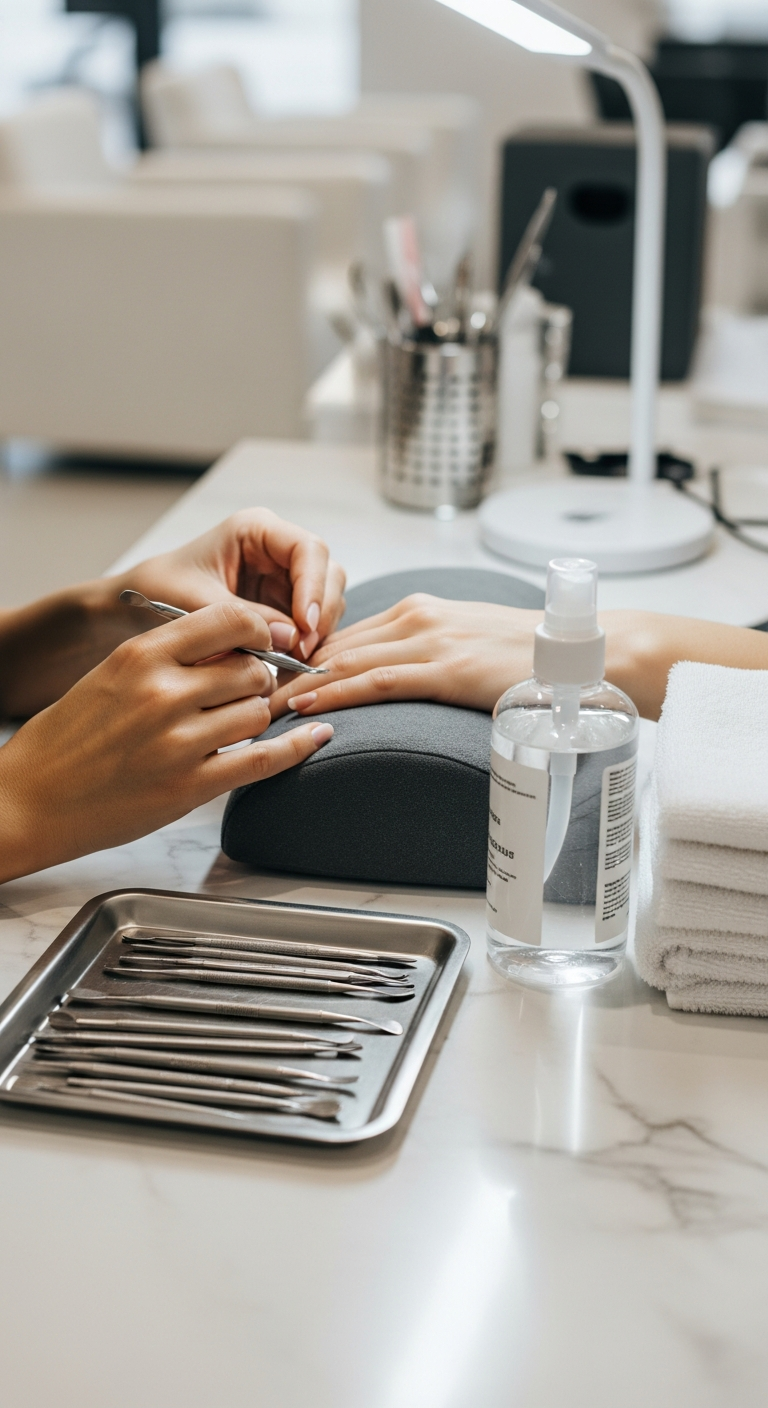
Technicians should verify that all implements are sterilized and that their workstation contains adequate monomer, polymer, and gel supplies. Standardizing the morning routine ensures the salon is ready for immediate production.
End-of-shift protocols are equally critical for operational continuity. This includes cleaning pedicure basins according to state board regulations and restocking disposable files and buffers.
Standardizing Technical Execution and Time Management
Service consistency is achieved when every nail technician follows the same application steps. This prevents variations in thickness, shape, and durability that can frustrate recurring clients.
Management should set specific time benchmarks for services like full sets, fills, and gel manicures. Monitoring these durations helps in creating accurate schedules and maximizing daily chair turnover.
Using standardized product ratios reduces the need for extensive filing and corrective work. This efficiency protects the salon’s reputation and reduces the physical strain on the staff.
Improving Service Uniformity
- Mandate specific grit sequences for filing and buffing.
- Standardize the number of gel polish coats applied.
- Require a final quality check before the client leaves the chair.
Operational Cost Management and Supply Controls
Effective nail salon management requires strict control over backbar inventory and chemical waste. Over-pouring monomer or using excessive gel product directly impacts the monthly bottom line.
SOPs should dictate the exact amount of product required for a standard service. Training staff on proper bead sizing and product placement minimizes the volume of chemicals wasted during filing.
Weekly inventory audits allow managers to track usage against service revenue. This data identifies potential theft or technical inefficiencies that require additional staff training.
Maintaining Professional Sanitation and Safety Protocols
Safety is the foundation of a professional nail environment. SOPs must detail the exact steps for disinfecting tools using EPA-registered solutions after every single client.
Management must maintain detailed logs for autoclave cycles and pedicure tub cleaning. These records are vital for both regulatory compliance and protecting the salon from liability issues.
Regular safety audits ensure that nail technicians are handling chemicals like acetone and acrylic primers properly. Maintaining a clean and compliant workspace is a non-negotiable operational standard.
